

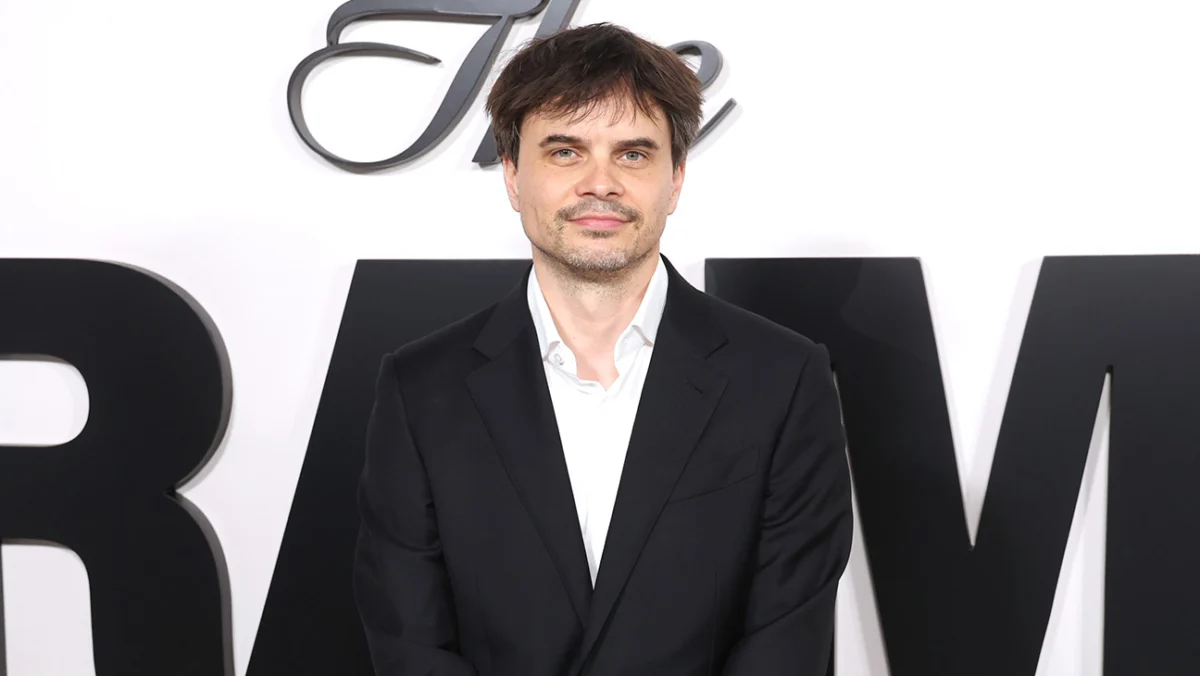
A 2012 essay penned by Norwegian filmmaker Kristoffer Borgli, which delves into his relationship with a teenage girl when he was 27, has recently resurfaced on Reddit, drawing significant attention and sparking fresh questions about the director as his presence in Hollywood continues to grow. Borgli, known for his distinctive brand of black comedy and discomfort-driven narratives, is currently at the helm of the highly anticipated feature The Drama, starring Zendaya and Robert Pattinson, marking a pivotal moment in his career trajectory from cult indie figure to mainstream director.
The Resurfaced Essay: Content and Context
The essay, titled "May-December," was originally published in D2, the weekend magazine supplement of Dagens Næringsliv, Norway’s leading financial daily. D2 is recognized for its glossy aesthetic and its commitment to longform cultural essays and profiles, often featuring prominent Norwegian artists and thinkers. In 2012, Borgli, then 27 years old, offered a personal reflection on a recent relationship with a girl ten years his junior, whom he describes as a "high school student" and "not old enough to vote."
The piece opens with Borgli’s acknowledgment of the term "May-December romance," defining it as an age-gap relationship risking social disapproval. He recounts his initial hesitation and the admonishment from friends who deemed the relationship "not within bounds." Despite this, Borgli describes being swayed by cinematic depictions of similar relationships, notably referencing Woody Allen’s Manhattan (1979), in which a 42-year-old character has a public relationship with a 17-year-old. Borgli contrasts this with the lack of controversy Manhattan faced in its time, using it to rationalize his own situation with a "considerably smaller age difference."
The essay portrays the relationship through Borgli’s perspective, highlighting a perceived intellectual and cultural parity despite the age gap. He notes her Oslo upbringing, exposure to arts, and literary interests, contrasting it with his own "delayed" cultural insight from growing up in the countryside. He details shared activities—watching Woody Allen films, long walks, late evenings at restaurants where her age wasn’t questioned, and extended stays at her parents’ apartment when they were away. The essay culminates with a description of their idyllic summer, spent largely indoors, reading, talking, and sharing music, ending abruptly with her parents’ unexpected return and Borgli having to "climb out the window." He concludes, "The summer ended, and our weeklong weekends became ordinary weekdays. She was May; I was December."
Norwegian Legal and Social Framework
In Norway, the legal age of sexual consent is 16. This legal provision, however, exists within a broader societal context where relationships between adults and teenagers, particularly those involving significant age differences and power imbalances, are often viewed with skepticism and social disapproval. Borgli himself acknowledges this tension in his essay, noting his friends’ reactions and his own struggle with his "moral compass."
While the relationship described in the essay would have been legal under Norwegian law if the girl was 16 or older, the social discourse around such relationships is complex. Public perception often grapples with questions of maturity, potential for undue influence, and the protection of minors, irrespective of legal consent age. This societal contention is not unique to Norway, as many Western countries, despite similar legal frameworks, maintain a strong cultural aversion to adult-teen relationships due to concerns about developmental disparities and vulnerability. The essay’s resurfacing forces a re-evaluation of these nuances, especially when viewed through contemporary lenses that increasingly scrutinize power dynamics in relationships.
Kristoffer Borgli’s Ascendant Career Trajectory
Kristoffer Borgli has been steadily building a reputation as a filmmaker with a unique, often unsettling vision. His early works, including short films and the 2022 feature Sick of Myself (released internationally in 2023), established his signature style: dark humor, explorations of narcissism, social anxieties, and the absurdities of modern life. Sick of Myself, which premiered at Cannes, garnered critical acclaim for its satirical take on the desire for attention and victimhood in the digital age.
His profile significantly elevated with the 2023 release of Dream Scenario, starring Nicolas Cage. The film, a surrealist black comedy exploring fame, cancel culture, and the subconscious, was a critical and commercial success, solidifying Borgli’s position as an exciting new voice in international cinema. Dream Scenario‘s success paved the way for his next major project, The Drama, which represents a significant leap into mainstream Hollywood production. The film, which blends intimacy with unease, follows a soon-to-be-married couple whose relationship takes an increasingly unsettling turn. Featuring two of Hollywood’s biggest stars, Zendaya and Robert Pattinson, The Drama is backed by A24, a studio renowned for its bold, conversation-driving, and filmmaker-led independent productions. This collaboration with A24 and such high-profile actors indicates Borgli’s transition from a niche, cult filmmaker to a director with substantial industry backing and a global audience.
The Amplifying Power of Digital Platforms
The essay’s resurfacing is a testament to the long memory and amplifying power of digital platforms like Reddit. Scans of the 2012 print article, which were not widely available online, began circulating on the platform, leading to user-generated translations from Norwegian into English. This organic spread highlights how past works of public figures, regardless of their original obscurity, can be brought back into the public consciousness through collective digital effort.
The Reddit thread quickly gained traction, indicating a public appetite for scrutinizing the backgrounds of artists, especially as their fame grows. This phenomenon is part of a broader trend where social media acts as a repository and an investigative tool, often unearthing content that might have remained confined to local or print archives. For filmmakers like Borgli, whose artistic themes often challenge societal norms and explore uncomfortable truths, the intersection of his personal reflections and his public work creates a fertile ground for discussion and debate.
Industry Reactions and Potential Implications
The renewed attention on Borgli’s 2012 essay comes at a sensitive time for the entertainment industry, which has faced increasing pressure to address issues of power, consent, and ethical conduct, particularly in the wake of movements like #MeToo. While the essay describes a relationship that was legally permissible in Norway, the ethical and social dimensions are subject to intense scrutiny, especially when involving individuals with a significant age difference and disparate life stages.
The Hollywood Reporter has reached out to A24 and Borgli’s team for comment, reflecting the industry’s need to address such developments directly. The nature and timing of any official response will be crucial. For A24, known for its curated selection of distinctive cinematic voices, the controversy presents a challenge. The studio has cultivated an image of supporting artist-driven projects, often pushing boundaries, but also operates within an industry increasingly sensitive to public perception and ethical considerations.
The involvement of major stars like Zendaya and Robert Pattinson in The Drama further complicates the situation. Actors of their caliber are often strategic about their associations, and any controversy surrounding a director could potentially cast a shadow, however indirectly, on the project and their own brands. While there have been no public statements from the stars, the situation undoubtedly introduces an unexpected layer of complexity for the film’s publicity and reception.
The implications for Borgli’s career are multifaceted. On one hand, his work, characterized by its exploration of discomfort and taboo, might be seen by some as consistent with a personal history that grapples with such themes. On the other, the resurfaced essay could lead to a re-evaluation of his public image and the reception of his future projects. In an era where artists are increasingly held accountable for past actions and statements, the distinction between an artist’s personal life and their creative output is often blurred, leading to broader discussions about artistic integrity and ethical responsibility.
Broader Discourse: Artists’ Pasts and Evolving Standards
This incident contributes to a larger ongoing discourse about how the public, and the entertainment industry, grapples with artists’ pasts. The essay, written over a decade ago, reflects a different cultural moment, yet its reappearance highlights the evolving standards of acceptable conduct and expression. What might have been published as a provocative personal reflection in a magazine in 2012 can be recontextualized and judged differently by a global, digitally connected audience in 2024.
The concept of "cancel culture" often arises in such discussions, though the reality is more nuanced. It reflects a societal shift towards greater accountability, where fame and influence are accompanied by heightened scrutiny. For artists whose work delves into morally ambiguous territory, their personal histories can become inextricably linked to their artistic narratives, prompting audiences to reconsider their interpretations of the art itself. This situation with Borgli underscores the continuous negotiation between artistic freedom, personal history, and public accountability in the modern media landscape.
As The Drama moves closer to release and Kristoffer Borgli’s international profile continues to ascend, the conversation surrounding his 2012 essay is likely to intensify. The industry, critics, and audiences will be watching closely for how this situation evolves and how it may ultimately impact the perception and trajectory of one of Norway’s most intriguing contemporary filmmakers.