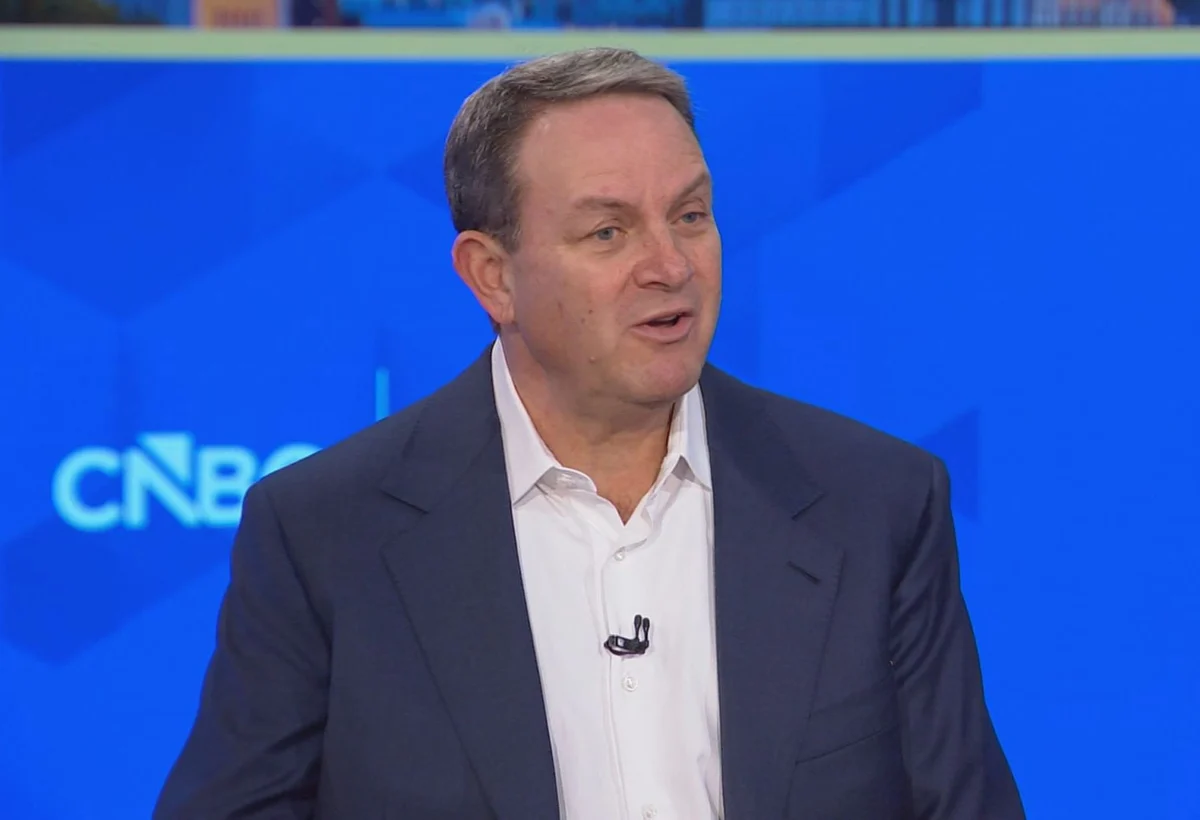
Versant Media Group, the independent media entity recently established through the spinout of Comcast Corporation’s cable television networks and digital assets, released its inaugural earnings report on Tuesday, providing Wall Street with its first comprehensive look at the financial health of the newly standalone company. The report, which covers the full fiscal year of 2025 and the final quarter ending December 31, 2025, highlights a period of significant structural transition. While the company remains a powerhouse in the linear television space, the data underscores the broader industry-wide challenges of declining traditional viewership and the urgent need for a diversified digital revenue model.
According to the filing, Versant reported a total full-year revenue of approximately $6.69 billion for 2025. This figure represents a 5% decline compared to the previous year, reflecting the headwinds facing legacy media assets as consumer behavior shifts toward streaming platforms. The earnings report serves as a post-mortem of the company’s final year under the umbrella of Comcast’s NBCUniversal, during which management worked behind the scenes to prepare the portfolio for its debut as an independent, Nasdaq-listed entity.
Detailed Financial Performance and Revenue Streams
The financial breakdown provided by Versant illustrates the duality of its current business model: a highly profitable but shrinking linear core and a nascent but growing digital and platform segment. Linear distribution revenue, which constitutes the bulk of the company’s income through carriage fees paid by cable and satellite providers, fell 5.4% year-over-year to $4.1 billion. This decline is consistent with the broader "cord-cutting" trend that has seen millions of American households exit the traditional pay-TV bundle annually.
Advertising revenue, another critical pillar for the company’s television networks, faced even steeper challenges. Versant reported $1.58 billion in ad revenue for 2025, a decline of nearly 9% from the prior year. Analysts attribute this drop to a combination of reduced linear reach and a softer market for traditional television spots as advertisers increasingly prioritize targeted digital video and social media platforms.
Despite the top-line contraction, Versant remains a highly profitable enterprise with robust margins. The company reported a net income attributable to Versant of $930 million for the full year. Furthermore, it generated $2.18 billion in stand-alone adjusted earnings before interest, taxes, depreciation, and amortization (EBITDA). These figures suggest that while the "top line" is under pressure, the company’s management has been effective at controlling costs and maximizing the cash flow generated by its established brands.
For the fourth quarter of 2025, the results mirrored the annual trend. Total revenue for the three months ended December 31 was $1.61 billion, down 7% from the same period in 2024. Linear distribution revenue for the quarter was $997 million (down 6%), and advertising revenue was $370 million (down 9%). Notably, the company’s "platforms" revenue segment remained flat at $202 million, providing a stable floor amid the declines in other areas. Fourth-quarter stand-alone adjusted EBITDA was $521 million, a 19% decrease from the prior year, reflecting the costs associated with the spinout and investments in new initiatives.
Strategic Shareholder Returns and Capital Allocation
One of the most significant announcements accompanying the earnings report was Versant’s aggressive plan for shareholder returns. The company’s board of directors declared a quarterly dividend of 37.5 cents per share. On an annualized basis, this represents a dividend of $1.50 per share, positioning Versant as a "value" stock designed to attract investors seeking consistent income.
In addition to the dividend, the board authorized a $1 billion share repurchase program. This move is intended to signal confidence in the company’s long-term valuation and to return excess cash to investors. Versant’s ability to implement such a program immediately following its spinout is rooted in its relatively low debt load compared to other media conglomerates. While many of its peers are burdened by massive debt from past acquisitions, Versant was structured during the Comcast separation to maintain a lean balance sheet.
"Returning capital to shareholders remains a top priority for us, alongside disciplined investing to support long-term growth," stated Anand Kini, Versant’s Chief Operating Officer and Chief Financial Officer, during the earnings call. Kini emphasized that the company’s high-margin business model allows it to reward investors while simultaneously funding the digital transformation required to stay competitive in the 2020s.
The Road to Independence: A Chronology of the Spinout
The journey of Versant Media Group from a division of a global telecommunications giant to an independent media firm has been a closely watched saga in the entertainment industry. The process officially began in November 2024, when Comcast Corporation announced its intention to spin off its cable networks into a separate, publicly traded company.
Throughout 2025, Versant’s management team, led by CEO Mark Lazarus, operated within NBCUniversal but focused exclusively on the logistical and financial separation of the assets. This "incubation" period was critical for establishing the operational infrastructure necessary for a standalone company, including independent HR, legal, and financial reporting systems.
The spinout was finalized in early January 2026, with Versant (VSNT) making its trading debut on the Nasdaq. The move was viewed by market analysts as a strategic "de-risking" for Comcast, allowing the parent company to focus on its high-growth areas like broadband, wireless, and the Peacock streaming service, while giving the cable networks the autonomy to chart their own course in a challenging environment.
Portfolio Overview and the Digital Pivot
Versant Media Group controls a diverse array of assets that were once the crown jewels of the NBCUniversal cable portfolio. Its linear television networks include:
- CNBC: The global leader in business and financial news.
- MS Now: The rebranded and digitally-focused evolution of MSNBC, focusing on news and analysis.
- USA Network: A top-tier general entertainment channel with a strong focus on live sports and scripted series.
- Golf Channel: The dedicated home for professional golf coverage and lifestyle content.
- Syfy, E!, and Oxygen: Niche networks catering to science fiction, celebrity culture, and true crime enthusiasts, respectively.
In addition to these networks, the company owns several high-value digital properties that are central to its growth strategy. These include Fandango, the leading movie ticketing platform; Rotten Tomatoes, the definitive film and television review aggregator; and sports-related digital tools like GolfNow and Sports Engine.
Currently, more than 80% of Versant’s revenue is derived from the traditional pay-TV ecosystem. However, CEO Mark Lazarus told investors on Tuesday that 2026 will serve as a "year of transition." The company has set an ambitious goal to shift its revenue mix so that 50% of its income eventually comes from digital, platform, subscription, and ad-supported transactional businesses.
In 2025, the non-pay-TV segment reached 19% of total revenue, amounting to approximately $826 million in platform revenue. This was the only segment of the business to show year-over-year growth, driven largely by the performance of Fandango and the company’s direct-to-consumer (DTC) offerings.
Future Growth Drivers and Market Analysis
To achieve its 50% digital revenue target, Versant is betting on several key growth drivers. During the earnings call, Lazarus identified three primary pillars for the next three to five years:
- MS Now DTC: The launch of a direct-to-consumer product for the MS Now brand, allowing viewers to access news and commentary without a traditional cable subscription.
- CNBC Pro and Retail Investor Products: Expanding CNBC’s premium subscription services to cater to the growing demographic of individual retail investors.
- Fandango at Home: The 2026 launch of an ad-supported version of the Fandango at Home service, which aims to capture a larger share of the free ad-supported streaming television (FAST) market.
Industry analysts suggest that Versant’s strategy is a pragmatic response to the "secular decline" of cable TV. By separating from Comcast, Versant has the flexibility to pursue partnerships or even mergers that might have been complicated under the previous corporate structure. Some experts speculate that Versant could eventually become a consolidator in the "linear-plus" space, acquiring other distressed cable assets to achieve greater scale and cost efficiencies.
The company’s focus on "platform revenue"—defined by transactions and subscriptions rather than just traditional ad spots—is seen as a more sustainable path forward. "We’re going to continue to report good visibility in the platforms revenue line, which we think provides a good, meaningful indicator of how that business is scaling," Kini noted during the call.
Broader Industry Implications
The emergence of Versant Media Group as a standalone entity is a landmark event that may signal the future for other media conglomerates. As giants like Disney and Warner Bros. Discovery continue to grapple with the declining profitability of their linear networks, the "Versant model" of spinning off these assets into a lean, cash-flow-focused company could become a blueprint for the industry.
For now, Versant must prove to Wall Street that it can manage the decline of its legacy business while successfully scaling its digital platforms. The 2025 results show a company in a strong financial position, bolstered by significant cash reserves and a clear mandate for shareholder returns. However, the 2026 "transition year" will be the true test of whether Versant can evolve from a collection of cable channels into a modern, diversified media powerhouse.
The initial market reaction to the earnings report was cautiously optimistic, with investors applauding the dividend and buyback news while remaining wary of the continued drop in advertising and distribution revenue. As Versant moves into its first full year of independence, all eyes will be on its ability to execute the digital pivot that Mark Lazarus and his team have promised.