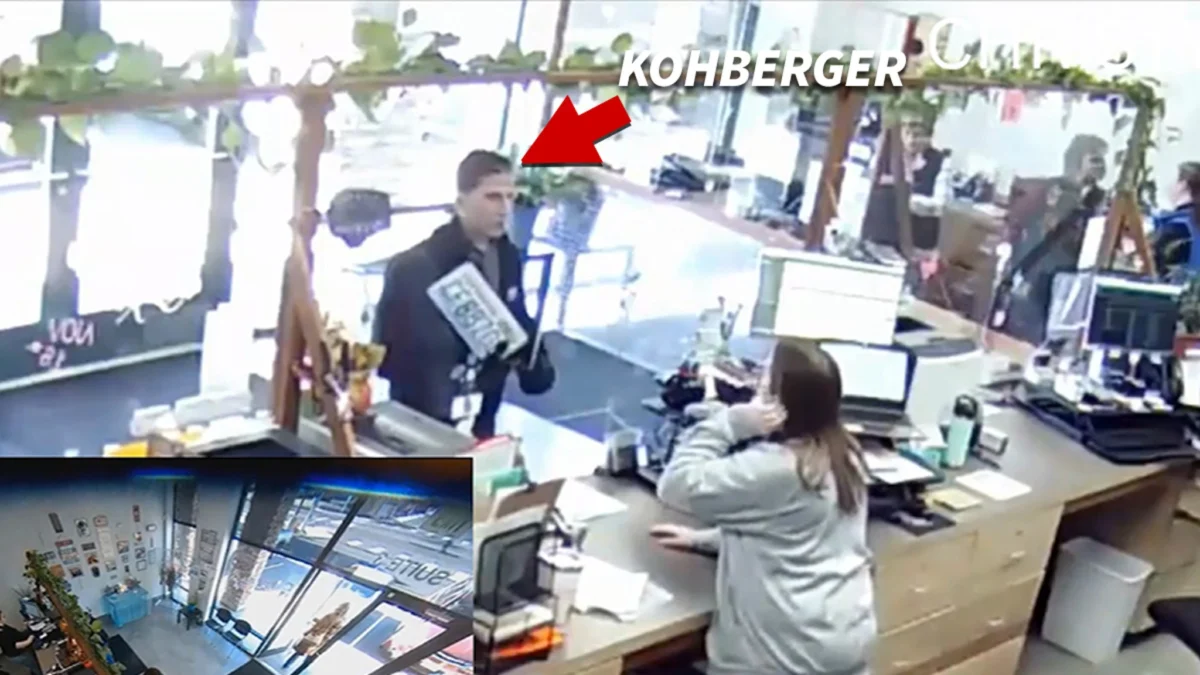
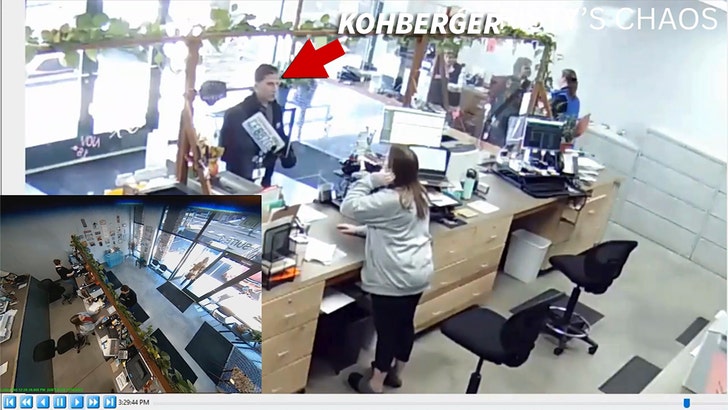
Newly surfaced video footage captures Bryan Kohberger, the convicted perpetrator of the brutal 2022 University of Idaho quadruple murders, calmly conducting administrative tasks at a Washington state Department of Motor Vehicles (DMV) office. This seemingly mundane visit, which occurred mere days following the horrific slayings of four college students, involved Kohberger changing his vehicle’s license plates, a move that prosecutors later asserted was a deliberate attempt to obscure his identity and hinder law enforcement’s burgeoning investigation. The footage, first brought to public attention by YouTube user "Christy’s Chaos," offers a chilling glimpse into the alleged killer’s demeanor shortly after committing one of the most high-profile crimes in recent memory.
The Context of a Community in Crisis: The Moscow Murders
The tragic events that set the backdrop for Kohberger’s DMV visit unfolded in the early hours of November 13, 2022, in Moscow, Idaho. Kaylee Goncalves, 21, Madison Mogen, 21, Xana Kernodle, 20, and Ethan Chapin, 20, were found deceased in an off-campus rental house near the University of Idaho. The sheer brutality of the stabbings sent shockwaves through the tight-knit Moscow community and across the nation. The victims, all students at the university, were popular and well-regarded, making their senseless deaths particularly devastating. The crime scene revealed a horrifying tableau, leading investigators to quickly classify it as a quadruple homicide.
The initial days and weeks following the murders were fraught with fear and uncertainty. Moscow, a town unaccustomed to such violent crime, grappled with the absence of an immediate suspect. Local law enforcement, augmented by state and federal agencies including the FBI, launched an intensive investigation, but leads were scarce in the immediate aftermath. The lack of a clear motive or perpetrator fueled widespread speculation and anxiety among residents and the university community. Students left campus early for Thanksgiving break, and many did not return for the remainder of the semester, fearing for their safety. The pressure on investigators to identify and apprehend the killer was immense, with public interest reaching a fever pitch.
A Calculated Move: The DMV Visit and Its Implications
It was against this backdrop of an escalating murder investigation that Bryan Kohberger, then a Ph.D. student in criminal justice at Washington State University in nearby Pullman, Washington, made his critical visit to the DMV. The precise date of the visit, occurring within days of the murders, is a key element in the prosecution’s narrative, suggesting a calculated effort to evade detection. At the time of the murders, Kohberger was operating a white Hyundai Elantra registered with Pennsylvania license plates. This vehicle would later become a central piece of evidence in the case, with investigators tirelessly tracking its movements.
The newly released video shows Kohberger exhibiting an unnerving calm as he processed the paperwork to swap his Pennsylvania plates for Washington state plates. This action, while ostensibly routine, took on sinister significance in the context of the ongoing manhunt. Prosecutors successfully argued that by changing his plates, Kohberger aimed to sever a crucial link between his vehicle and its original registration state, thereby complicating law enforcement’s efforts to track him. The timing was particularly salient; had he retained his Pennsylvania plates, the vehicle might have been more easily flagged as investigators began to focus on out-of-state registrations in connection with the crime.
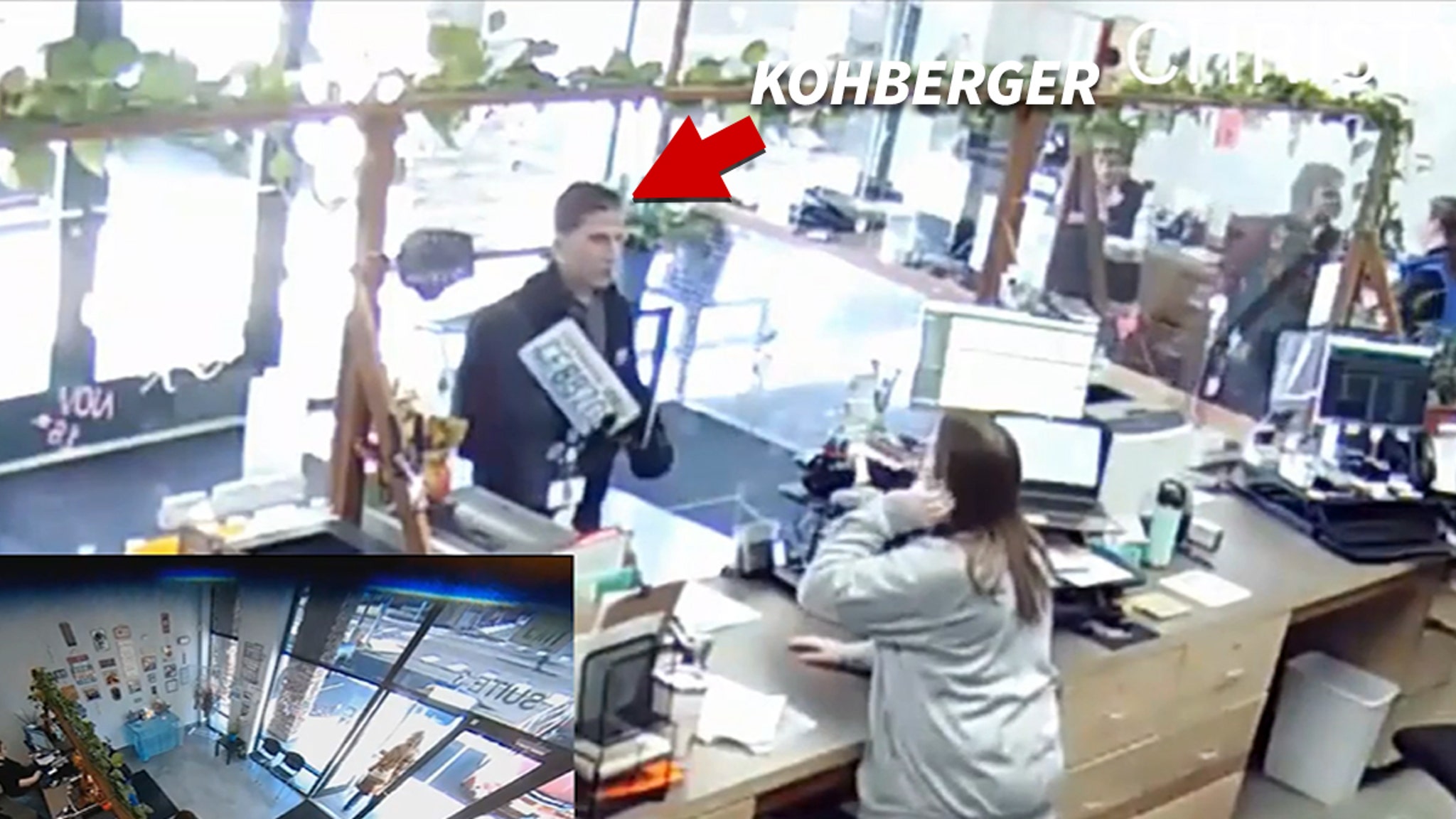
Furthermore, it was noted that Kohberger’s Pennsylvania license was reportedly nearing its expiration. This detail, according to prosecutors, would have provided a plausible, non-suspicious reason for his DMV visit, allowing him to conduct the plate change without immediately raising any red flags with DMV personnel. This layer of plausible deniability underscores a potential level of premeditation and an understanding of bureaucratic processes that could be exploited to delay identification. The psychological aspect of a perpetrator engaging in such a mundane, bureaucratic task so soon after committing a heinous crime is profoundly unsettling, suggesting a chilling composure.
The Intensifying Hunt for the White Elantra
The white Hyundai Elantra became a central focus of the multi-agency investigation. Early surveillance footage from Moscow and surrounding areas captured a white sedan, consistent with a Hyundai Elantra, near the crime scene during the critical early morning hours of November 13. This visual evidence quickly led investigators to issue a public appeal for information regarding a white 2011-2013 Hyundai Elantra, generating thousands of tips from across the country. The search for this specific vehicle became a national priority, with law enforcement meticulously sifting through countless hours of video surveillance, toll road records, and automatic license plate reader (ALPR) data.
The geographical proximity of Pullman, Washington, where Kohberger resided and studied, to Moscow, Idaho, just across the state line, meant that investigators were casting a wide net in the region. The discovery that Kohberger’s vehicle, initially registered in Pennsylvania, had been re-registered with Washington plates after the murders complicated this search. It introduced an additional layer of complexity, as the vehicle’s identity was effectively altered mid-investigation. This tactical move by Kohberger underscores the challenges law enforcement faces in an era where digital footprints and vehicle identification are crucial but can also be manipulated.
Building the Case: Digital Forensics and DNA Evidence
Despite Kohberger’s efforts to obfuscate his vehicle’s identity, investigators steadily built a robust case against him. Their breakthrough came through a meticulous combination of forensic evidence and digital trail analysis. DNA evidence, reportedly found on a knife sheath discovered at the crime scene, proved to be a critical link. Investigators utilized genetic genealogy techniques to trace the DNA back to the Kohberger family, eventually leading them to Bryan Kohberger himself.
Complementing the DNA evidence, cell phone tower data placed Kohberger’s mobile device in the vicinity of the victims’ residence on multiple occasions leading up to the murders, as well as during the crucial hours of the crime. Surveillance footage, painstakingly reviewed from various sources, also captured a white Hyundai Elantra matching the description of Kohberger’s vehicle traveling to and from the crime scene around the time of the murders. The combination of these diverse pieces of evidence—DNA, cell phone pings, and video—began to form an undeniable mosaic pointing directly to Kohberger. His academic background in criminology, where he reportedly expressed interest in the motivations and methods of criminals, added another disturbing dimension to the emerging profile of the suspect.
The Cross-Country Journey and Arrest
Following the murders and his DMV visit, Kohberger embarked on a cross-country drive from Washington state to his parents’ home in Pennsylvania. He made this journey with his father, a detail that further highlighted the chilling normalcy he attempted to maintain. During this extensive drive, Kohberger’s white Hyundai Elantra was pulled over by law enforcement officers on at least two separate occasions. Body camera footage from these traffic stops clearly showed the vehicle now bearing Washington state license plates, consistent with his recent DMV transaction. Although these stops did not immediately lead to his arrest—as he had not yet been identified as the prime suspect—they provided further corroborating evidence of his movements and the altered identity of his vehicle, which would become invaluable to prosecutors.
The culmination of the intense, multi-state investigation came on December 30, 2022. Bryan Kohberger was apprehended at his parents’ residence in Chestnuthill Township, Pennsylvania, by local authorities and the FBI. The arrest brought a collective sigh of relief to the anxious communities of Moscow and beyond, marking a significant turning point in the harrowing case. Following his arrest, Kohberger was extradited back to Idaho to face charges. The extradition process involved several legal steps, including an initial court appearance in Pennsylvania where he waived his right to fight extradition, signaling his eventual transfer to Idaho jurisdiction.
Legal Proceedings and Finality
Upon his return to Idaho, Bryan Kohberger was formally charged with four counts of first-degree murder and one count of felony burglary. The legal proceedings that followed were closely watched by the nation, particularly by the families of the victims who sought justice for their profound loss. The case navigated through various pre-trial motions and hearings, with prosecutors outlining the extensive evidence they had amassed against Kohberger.
According to the original reporting, which anticipates events from the article’s 2026 publication date, Kohberger ultimately entered a plea of guilty to the four murders during a hearing in July 2025. This plea averted a potentially lengthy and emotionally taxing trial for all parties involved, especially the victims’ families. Following his guilty plea, Kohberger was sentenced to a term of life imprisonment without the possibility of parole. This sentence ensures that he will spend the remainder of his natural life incarcerated, a judgment that brought a definitive conclusion to the legal chapter of this horrific saga. The finality of the sentence, particularly the absence of parole, aimed to provide a measure of closure and assurance to the victims’ loved ones that Kohberger would never again pose a threat to society.
Broader Implications and Lessons Learned
The Bryan Kohberger case, from the initial shock of the murders to the eventual arrest and conviction, has offered profound lessons on modern criminal investigations and the psychological dimensions of crime. The role of digital forensics, including cell phone data, surveillance footage, and license plate readers, proved indispensable in tracking a suspect who attempted to meticulously cover his tracks. The case also highlighted the critical importance of inter-agency cooperation across state lines, as local, state, and federal law enforcement collaborated seamlessly to bring the perpetrator to justice.
The incident also underscored the enduring vulnerability of communities to acts of extreme violence, even in seemingly tranquil settings like Moscow, Idaho. The resilience of the University of Idaho community and the unwavering pursuit of justice by law enforcement stand as a testament to collective resolve. The new DMV footage, though surfacing years after the crime, serves as a stark reminder of the cold calculation that can accompany heinous acts, and how even seemingly minor administrative actions can become crucial pieces of a much larger, darker puzzle. It reinforces the notion that while perpetrators may attempt to erase their footprints, the increasing sophistication of forensic science and digital tracking often ensures that justice, though sometimes slow, is ultimately served. The legacy of the Idaho murders continues to resonate, prompting ongoing discussions about campus safety, community vigilance, and the relentless dedication required to solve complex criminal cases.