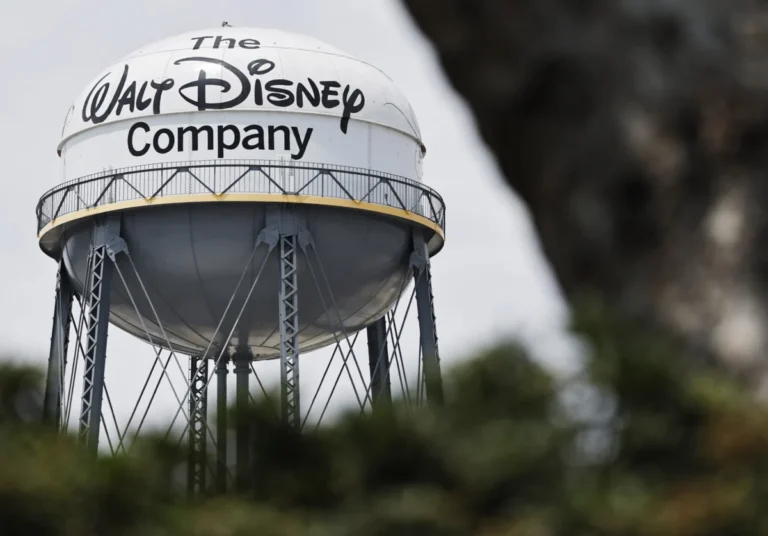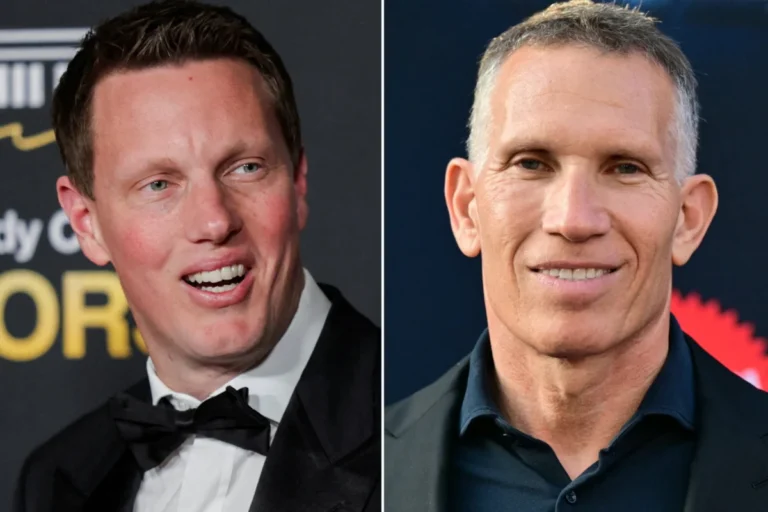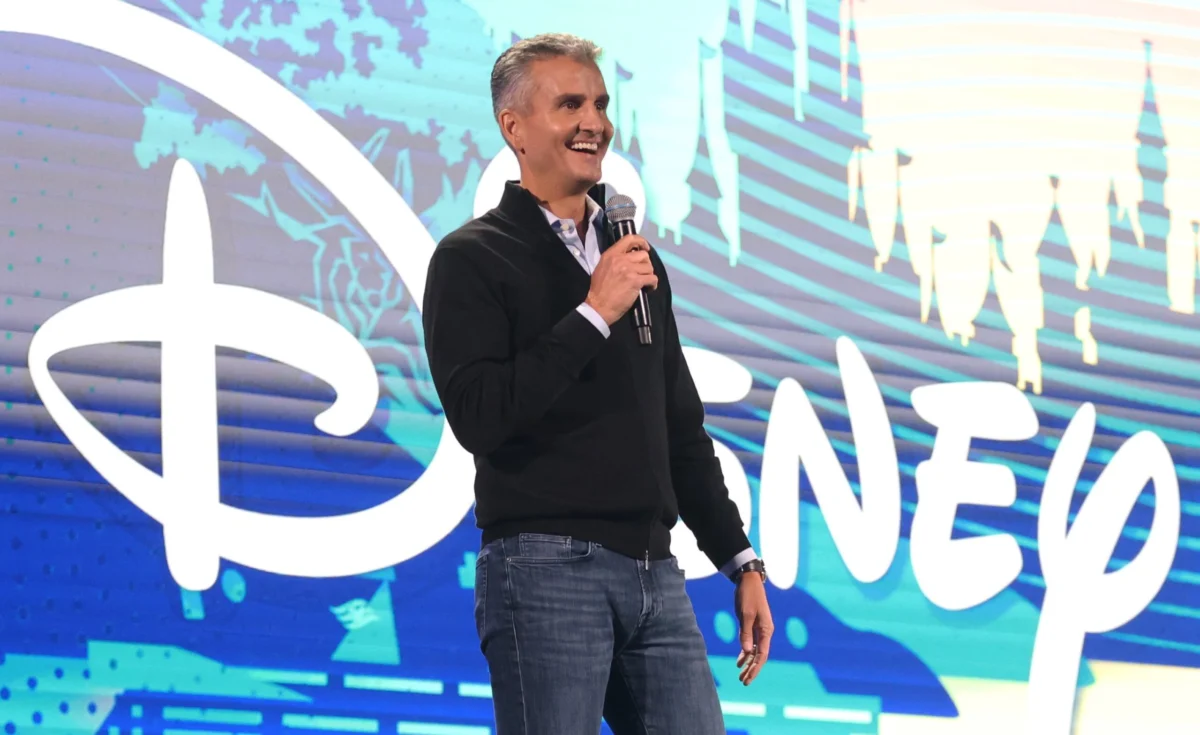
The Walt Disney Company has officially appointed Josh D’Amaro, the longtime Chairman of Disney Experiences, as its next Chief Executive Officer, concluding a high-stakes succession race that has captivated Wall Street and the entertainment industry for years. The announcement, made Tuesday, signals the beginning of a meticulously planned transition intended to avoid the corporate governance turbulence that followed the company’s previous attempt to replace its legendary leader, Bob Iger. D’Amaro will formally assume the CEO role on March 18, coinciding with Disney’s annual shareholder meeting, while Iger will remain with the company as a senior advisor and board member until his final retirement on December 31.
This appointment marks a definitive end to the internal competition among Disney’s top divisional leaders and marks the second time in six years that the company has selected a successor to Iger. The decision arrives at a critical juncture for the Burbank-based conglomerate as it navigates the structural decline of traditional broadcast television, the pursuit of sustainable profitability in streaming, and a massive $60 billion expansion of its global theme park footprint.
The Selection of Josh D’Amaro and the New Executive Structure
Josh D’Amaro’s elevation to the top post is seen by many industry analysts as a vote of confidence in the "Experiences" segment, which has become Disney’s most reliable profit engine. Under D’Amaro’s leadership, the division—which encompasses domestic and international theme parks, Disney Cruise Line, and consumer products—has achieved record-breaking financial results. In the most recent quarterly report, the Experiences unit surpassed $10 billion in revenue for the first time in a single quarter, demonstrating a resilience that helped offset fluctuations in the media and entertainment sectors.
In a simultaneous move designed to bolster the company’s creative core, Disney also announced that Dana Walden, the Co-Chairman of Disney Entertainment, has been named President and Chief Creative Officer. Effective March 18, Walden will report directly to D’Amaro. This newly created role ensures that Disney’s storied storytelling engine remains under the guidance of one of the industry’s most respected television and film executives. Walden’s portfolio will focus on the content pipeline for Disney+, Hulu, and the company’s theatrical studios, effectively creating a "two-pillar" leadership structure where D’Amaro oversees the global enterprise and Walden manages the creative output.
Bob Iger praised D’Amaro’s promotion, citing his unique blend of creative intuition and operational discipline. "Josh D’Amaro is an exceptional leader and the right person to become our next CEO," Iger said in an official statement. "He has an instinctive appreciation of the Disney brand and a deep understanding of what resonates with our audiences, paired with the rigor and attention to detail required to deliver some of our most ambitious projects."
A Thorough and Exhaustive Search Process
The path to D’Amaro’s appointment was overseen by a succession committee led by James Gorman, the former CEO of Morgan Stanley who joined the Disney board specifically to bring institutional rigor to the search. Gorman, who was named Disney’s Chairman of the Board earlier this year, emphasized that the process was "long, thorough, and exhaustive."
According to Gorman, the board vetted over 100 potential candidates, including external executives from various sectors. However, the search ultimately focused on Iger’s four primary direct reports: D’Amaro, Dana Walden, ESPN Chairman Jimmy Pitaro, and Entertainment Co-Chairman Alan Bergman. All four executives underwent extensive interviewing and evaluation by the succession committee starting in 2024.

The board’s decision to move earlier than the original 2026 deadline was reportedly driven by Iger himself. Gorman noted that after years of mentoring the internal candidates, Iger felt the company would be best served by an earlier handoff to ensure the new team could lead the company into the next decade from a position of strength. "We won’t have the drama we had last time, that I can assure you," Gorman told CNBC, referencing the rocky transition between Iger and his previous successor, Bob Chapek.
The Context of the Iger-Chapek-Iger Cycle
To understand the weight of D’Amaro’s appointment, one must look at the recent history of Disney’s leadership. Bob Iger’s first tenure as CEO lasted from 2005 to 2020, a period defined by transformative acquisitions including Pixar, Marvel, Lucasfilm, and 21st Century Fox. Iger’s initial retirement in February 2020 saw the appointment of Bob Chapek, then the head of Parks, as CEO.
Chapek’s tenure was immediately beset by the COVID-19 pandemic, which forced the closure of theme parks and cinemas worldwide. While Disney+ saw explosive growth during this period, internal friction began to mount. High-profile missteps, including a legal battle with actress Scarlett Johansson and a public controversy regarding Florida’s "Don’t Say Gay" bill, damaged employee morale and investor confidence. By late 2022, following a disappointing earnings report and a plummeting stock price, the board ousted Chapek and asked Iger to return.
Iger’s second stint, which began in November 2022, was characterized by a "return to basics." He implemented a massive restructuring that resulted in $5.5 billion in cost savings and thousands of layoffs. He also fought off an aggressive activist investor campaign led by Nelson Peltz of Trian Partners, who criticized Disney’s succession planning and streaming losses. Iger’s success in defeating the proxy challenge earlier this year gave the board the breathing room to finalize the D’Amaro selection without external pressure.
Financial Performance and Strategic Roadmaps
The leadership change comes as Disney demonstrates a mixed but improving financial profile. In the company’s most recent fiscal Q1 earnings report, revenue and earnings per share topped analyst expectations. The streaming business, led by Disney+, has finally achieved profitability, a milestone Iger prioritized upon his return.
However, the stock market remains cautious. Despite the positive earnings beat, Disney’s stock fell 7% following the announcement, reflecting broader concerns about the future of linear television. The "Disney Entertainment" segment, which includes traditional networks like ABC and Disney Channel, continues to face headwinds as consumers migrate to digital platforms.
D’Amaro’s primary task will be to execute Disney’s massive capital expenditure plan. The company has committed to spending $60 billion over the next decade to expand its theme parks and cruise lines. Significant projects include:
- International Expansion: The development of a new theme park and resort in Abu Dhabi, United Arab Emirates.
- Domestic Growth: Significant investments in "Magic Kingdom" at Walt Disney World and "Disney Forward" initiatives at Disneyland Resort in California.
- Cruise Line Dominance: The addition of several new ships to the Disney Cruise Line fleet to capitalize on the high-margin vacation market.
The Challenges Facing the D’Amaro Administration
While D’Amaro inherits a company with a stabilized balance sheet, several existential challenges remain. The erosion of the "cable bundle" remains the most significant threat to Disney’s cash flow. As ESPN prepares for a full direct-to-consumer launch in 2025, D’Amaro must ensure that the transition from linear to digital sports broadcasting does not cannibalize the company’s overall margins.

Furthermore, D’Amaro must maintain Disney’s box office dominance. After a rocky 2023, the company regained its footing in 2024 and 2025 with hits like Inside Out 2 and Deadpool & Wolverine. Sustaining this momentum in an era of "franchise fatigue" will require a delicate balance between leveraging existing Intellectual Property (IP) and fostering new, original storytelling.
The appointment of Dana Walden as Chief Creative Officer is a strategic safeguard in this regard. By elevating Walden, Disney is signaling to the creative community that storytelling remains the "heart of the company," as Gorman described it. Walden’s experience in managing high-end talent and complex production slates is intended to complement D’Amaro’s operational expertise.
Industry and Market Implications
The reaction from the industry has been largely positive, with many noting that D’Amaro’s "front-line" experience and charisma make him a natural fit for the role. Unlike Chapek, who was often viewed as a data-driven operator, D’Amaro is known for his frequent, unannounced visits to Disney parks and his ability to connect with both employees ("Cast Members") and guests.
"Josh has the ‘Disney DNA’ that investors were looking for," noted one media analyst. "He understands that Disney isn’t just a media company; it’s an emotional brand. His challenge will be proving he can handle the complexities of the Hollywood side of the business as well as he handled the parks."
As the March 18 transition date approaches, the focus will shift to how D’Amaro and Walden collaborate during the final months of Iger’s tenure. With Iger staying on as a senior advisor through the end of 2026, the company is betting that a long, supervised handoff will provide the stability necessary to keep Disney at the pinnacle of the global entertainment landscape.
Timeline of the Disney Leadership Transition
- February 2020: Bob Iger steps down; Bob Chapek named CEO.
- November 2022: Disney Board ousts Chapek; Iger returns as CEO on a two-year contract.
- July 2023: Disney extends Iger’s contract through 2026.
- January 2024: James Gorman joins the board and takes charge of the succession committee.
- April 2024: Iger defeats Nelson Peltz in a high-profile proxy battle.
- February 2025: Josh D’Amaro named next CEO; Dana Walden named President and CCO.
- March 18, 2025: D’Amaro officially becomes CEO at the annual meeting.
- December 31, 2026: Bob Iger’s final scheduled date of employment with The Walt Disney Company.
Josh D’Amaro now stands at the helm of a $180 billion empire, tasked with preserving the legacy of Walt Disney while modernizing the company for a digital-first future. The success of this transition will likely define the company’s trajectory for the next decade.