


The launch of Crimson Desert, the highly anticipated action-adventure title from South Korean developer Pearl Abyss, has achieved significant commercial milestones while simultaneously igniting a complex debate regarding game design, marketing transparency, and technical execution. Within 24 hours of its global release, the title surpassed two million copies sold, a figure that places it among the most successful launches for a new intellectual property in recent years. However, this financial triumph has been shadowed by a series of controversies ranging from the "unintentional" inclusion of generative AI assets to restrictive gameplay mechanics that players argue contradict the game’s promise of total creative freedom.
Set in the sprawling, gritty world of Pywel, Crimson Desert follows the mercenary Macduff as he navigates a landscape of warring factions and ancient myths. While the game has received praise for its visual fidelity and visceral combat systems, the post-launch period has been defined by a vocal segment of the player base expressing frustration over the implementation of high-tier mounts. Specifically, the revelation that the game’s marquee dragon mount is governed by strict time limits and lengthy cooldown periods has led to accusations of misleading marketing.
The Dragon Dilemma: Mechanics and Marketing Discrepancies
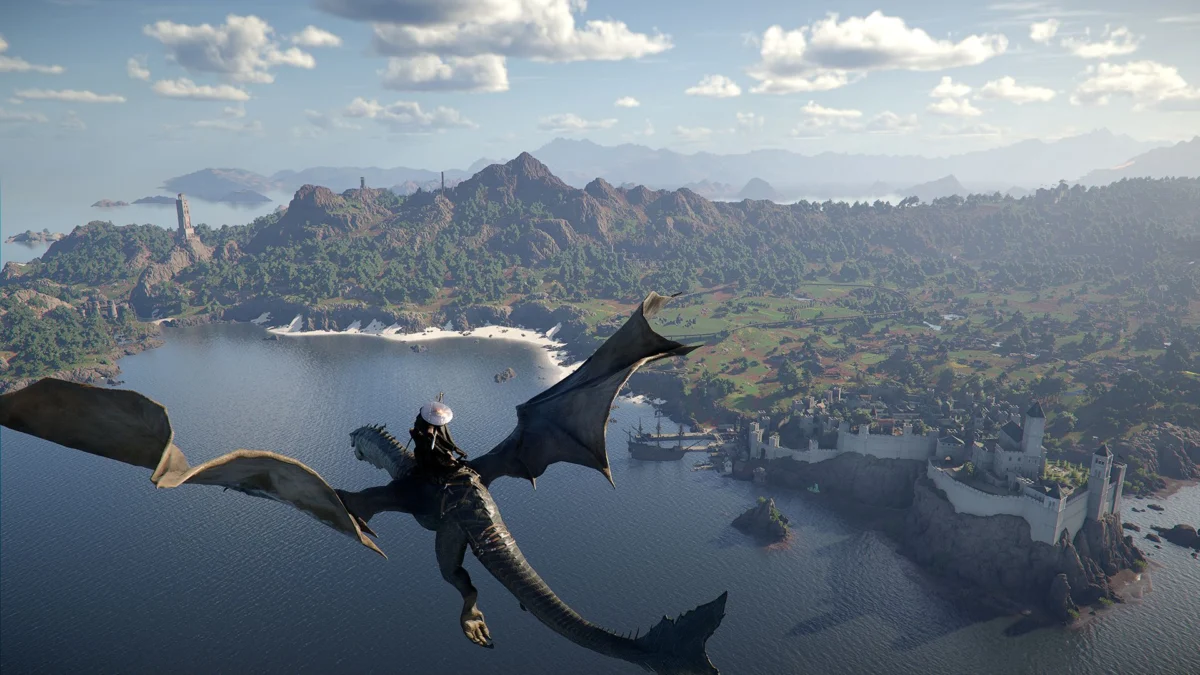
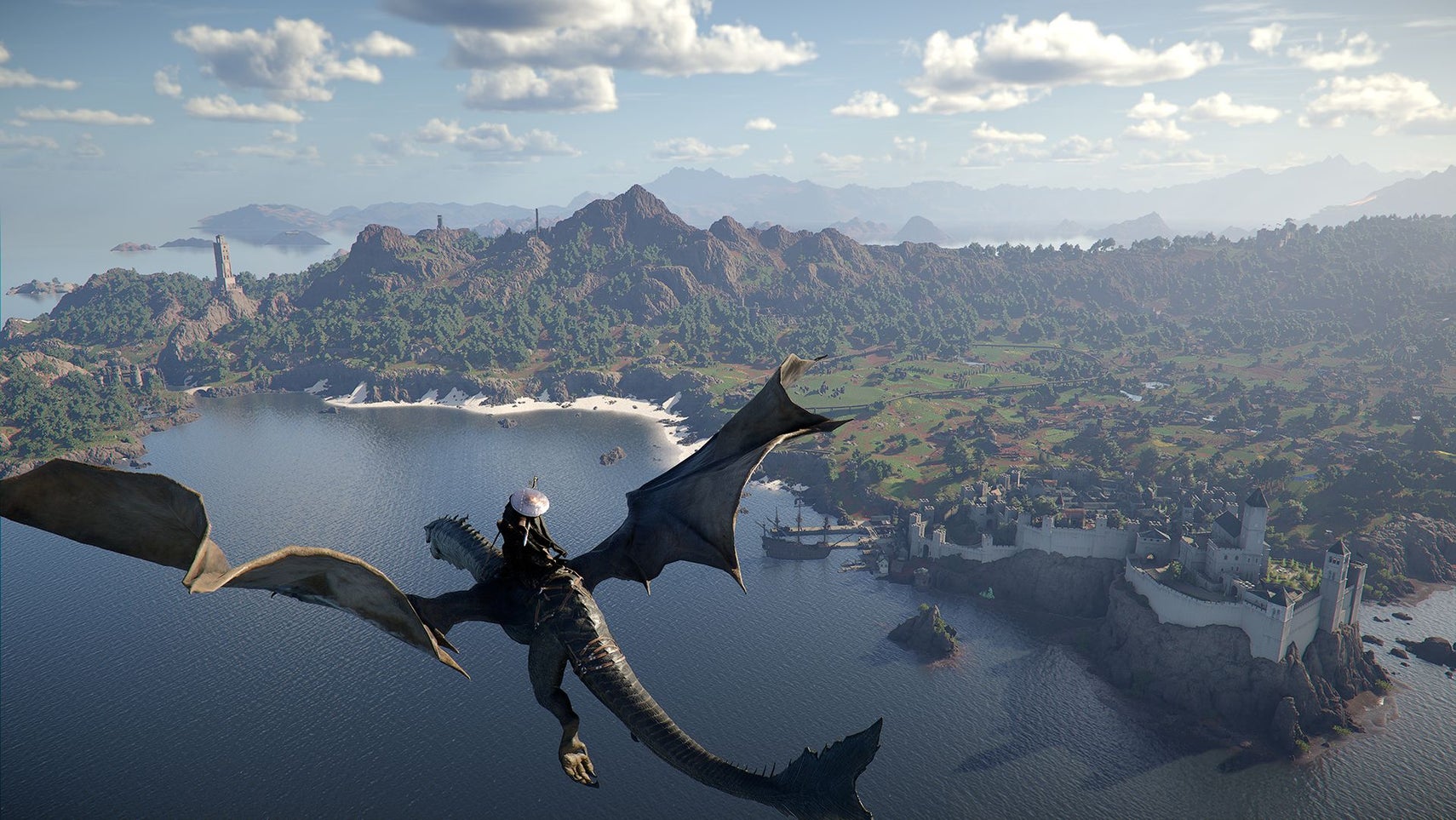
A central pillar of the Crimson Desert marketing campaign over several years was the concept of "complete and total freedom" within its open-world sandbox. Promotional trailers frequently showcased players soaring across the skies of Pywel on the backs of dragons, suggesting a level of aerial mobility comparable to genre-defining titles. Upon release, however, players discovered that dragon flight is restricted by a 15-minute internal timer. Once this window expires, the mount becomes unavailable, and a 50-minute real-time cooldown is triggered.
This cooldown cannot be bypassed through in-game items or resting, a design choice typically reserved for Massively Multiplayer Online (MMO) games to maintain server balance and prevent "sequence breaking." In a single-player environment, however, players have argued that such restrictions serve only to dampen the "power fantasy" that the game initially sold. The frustration extends beyond aerial mounts; other exotic creatures, such as the dire wolf and the raptor, are currently classified as temporary mounts. Unlike the standard horse, these creatures cannot be stabled or summoned at will, essentially functioning as consumable vehicles rather than persistent companions.
Discussions on platforms such as Steam and Reddit have highlighted a growing rift between the developer’s vision for "game balance" and the player’s desire for unhindered exploration. Long-time fans of the genre have pointed to titles like Middle-earth: Shadow of War, which allows for permanent dragon riding, and World of Warcraft, which integrated permanent flying mounts years ago, as evidence that such features can coexist with challenging gameplay. The consensus among critics is that by categorizing the dragon as an "ultimate weapon" rather than a standard mount, Pearl Abyss may have prioritized tactical limitations over the sandbox exploration many expected.
A Chronology of Development and Creative Evolution
The path to Crimson Desert’s release was marked by significant shifts in scope and vision. Originally announced at G-Star 2019, the project was initially conceived as a prequel to Pearl Abyss’s flagship MMO, Black Desert Online. However, during development, the studio decided to pivot the title into a narrative-driven, single-player action-adventure game. This transition is believed by industry analysts to be the root of several mechanical inconsistencies found in the final product.
In late 2020, a gameplay trailer at The Game Awards brought the title to international prominence, showcasing a level of graphical detail that many feared was too ambitious for current-generation hardware. This was followed by a series of delays, as Pearl Abyss worked to refine the "BlackSpace Engine," a proprietary technology designed to handle the game’s complex physics and lighting.
Reports from anonymous internal sources, surfacing shortly after the game’s launch, suggest that the development process was characterized by an "unfocused creative vision." These reports allege that the game became a "hodgepodge of features" as leadership attempted to incorporate various popular mechanics from other successful titles without a cohesive core. Furthermore, claims of a rigid corporate hierarchy—where dissenting opinions regarding game balance and features were allegedly sidelined—have added to the narrative of a troubled production cycle.
The Generative AI Controversy and Technical Response
In addition to gameplay concerns, Crimson Desert has faced scrutiny over its use of generative artificial intelligence. Following the discovery of certain assets that bore the hallmarks of AI generation, Pearl Abyss issued a statement admitting that such tools were used during the "early-stage iteration" of development. The studio apologized, claiming that these assets were "unintentionally included" in the final release and were supposed to have been replaced by hand-drawn artwork before the gold master was produced.
This admission has sparked a broader conversation regarding the ethics and quality control of AI in AAA game development. While Pearl Abyss has committed to removing and replacing these assets in upcoming patches, the incident has left a segment of the community wary of the game’s artistic integrity.
Simultaneously, the developer has been forced to move quickly to address technical feedback. The "hefty" day-one and week-one patches have targeted the "heavy" feel of the character controls, which many players found unresponsive. Improvements to keyboard and mouse mapping, inventory management, and storage limitations are also being prioritized. Pearl Abyss has publicly stated that they will "work to make improvements quickly," acknowledging that the user experience is paramount to maintaining the game’s initial sales momentum.
Commercial Performance and Supporting Data
Despite the controversies, the raw data suggests that Crimson Desert is a significant financial success. Selling two million units within 24 hours is a feat usually reserved for established franchises like God of War or Assassin’s Creed. This performance is particularly notable for a South Korean studio attempting to break into the Western-dominated single-player console market.
Key Data Points:

- Initial Sales: 2 million+ copies in 24 hours.
- Platform Distribution: Strong performance across PC (Steam), PlayStation 5, and Xbox Series X/S.
- Concurrent Players: SteamDB records show a peak concurrent player count that rivals major 2024 releases, indicating high initial engagement.
- Regional Success: While domestic sales in South Korea were high, over 60% of the initial sales volume originated from North American and European markets.
Market analysts suggest that the high sales figures are a testament to the "thirst" for high-fidelity, open-world fantasy epics. However, the "divisive" nature of the reviews—where technical brilliance is often weighed against mechanical frustration—suggests that the long-term tail of the game’s sales will depend heavily on the developer’s ability to appease the player base through post-launch updates.
Broader Impact and Implications for the Industry
The situation surrounding Crimson Desert serves as a case study for the modern gaming industry’s struggle with "feature creep" and marketing expectations. When a developer promises a world of "infinite possibilities," any restriction—no matter how logically sound from a balance perspective—is viewed as a failure to deliver.
The "dragon cooldown" controversy, in particular, highlights the friction that occurs when MMO design philosophies are transplanted into single-player experiences. In an MMO, time-gating is a tool to manage player progression and server stability. In a single-player game, it is often perceived as an artificial barrier to fun. Pearl Abyss’s roots in the MMO space (via Black Desert) clearly influenced their approach to Crimson Desert, but the backlash suggests that the single-player audience has a much lower tolerance for such mechanics.
Furthermore, the "unintentional" AI assets incident underscores the risks of integrating generative tools into a professional pipeline without rigorous oversight. As more studios look to AI to reduce development costs and timelines, the Crimson Desert example will likely be cited as a warning regarding brand reputation and consumer trust.
As Pearl Abyss moves forward, the industry will be watching closely to see if the studio can transform Crimson Desert from a commercial hit into a critically stable franchise. The upcoming roadmap, which is expected to address mount persistence and control refinements, will be the true test of the studio’s commitment to its players. For now, Crimson Desert remains a beautiful, ambitious, yet flawed epic that represents both the potential and the pitfalls of modern AAA game development.