Warner Bros. has officially launched the eagerly awaited first teaser trailer for Dune: Part Three, confirming a global theatrical release scheduled for December 2026. The revelation marks a pivotal moment for fans of Denis Villeneuve’s critically acclaimed cinematic adaptation of Frank Herbert’s seminal science fiction saga, promising an epic and darker conclusion to the filmmaker’s ambitious trilogy. Coming just two years after the monumental success of Dune: Part Two, the new installment, based on Herbert’s novel Dune Messiah, delves into the complex and often tragic aftermath of Paul Atreides’ rise to power, exploring the profound burdens of prophecy and the unforeseen consequences of messianic leadership.
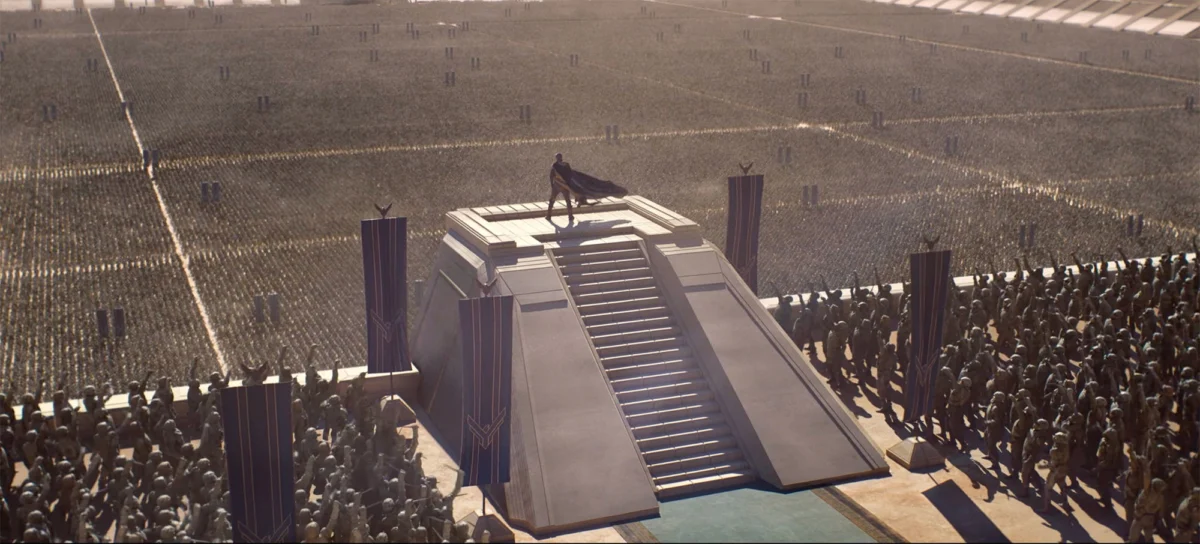
The teaser, which quickly garnered millions of views across digital platforms, provided a visceral glimpse into the intensified narrative and breathtaking scale that audiences have come to expect from Villeneuve. A haunting voiceover opens the trailer with the chilling declaration, "War feeds on itself. The more I fight, the more our enemies fight back," immediately setting a tone of escalating conflict and moral ambiguity. Visually, the trailer showcases the familiar, sweeping vistas of Arrakis alongside stark, intricate new settings indicative of the galactic political landscape Paul Atreides now navigates. Early reactions from viewers and industry analysts alike commend the teaser’s capacity to convey a story "even darker, even more twisted, even more brutal than before," hinting at the profound internal and external struggles Paul, now revered as Muad’Dib, will face as he grapples with the legacy of his actions and the machinations of a universe he has irrevocably reshaped.
The Narrative Evolution: From Hero’s Journey to Messiah’s Burden
Dune: Part Three is poised to explore the challenging narrative arc presented in Frank Herbert’s Dune Messiah, a novel often described as a deconstruction of the traditional hero’s journey depicted in the original Dune. While Dune saw Paul Atreides transform from a duke’s son into a revolutionary leader, uniting the Fremen and seizing control of the Imperium, Dune Messiah confronts the terrifying reality of his success. The film’s official synopsis reinforces this thematic shift: "As Emperor of the known universe, Paul possesses more power than a single man was ever meant to wield. Worshipped as a religious icon by the fanatical Fremen, Paul faces the enmity of the political houses he displaced when he assumed the throne—and a conspiracy conducted within his own sphere of influence. And even as House Atreides begins to crumble around him from the machinations of his enemies, the true threat to Paul comes to his lover, Chani, and the unborn heir to his family’s dynasty…" This synopsis underscores the intricate web of political intrigue, personal sacrifice, and existential dread that defines Dune Messiah.

Herbert himself intended Dune as a cautionary tale against charismatic leaders, and Dune Messiah directly addresses the unintended, horrific consequences of Paul’s jihad, which has ravaged the galaxy in his name. Villeneuve has consistently expressed his commitment to adapting this darker sequel, viewing it as essential to completing Paul’s story and fulfilling Herbert’s original message. The film will delve into Paul’s internal conflict as he struggles with the burden of his prescient visions, which offer glimpses of a terrible future he desperately tries to avert, even as he is inexorably drawn towards it. The intricate conspiracies against him by the Bene Gesserit, the Spacing Guild, and the Tleilaxu, each seeking to manipulate or eliminate the Kwisatz Haderach, form the core of the political drama.
A Star-Studded Ensemble Returns with Intriguing New Additions
The ensemble cast for Dune: Part Three features the return of many beloved characters and introduces pivotal new figures from Herbert’s universe. Timothée Chalamet reprises his role as Paul Atreides, whose portrayal has been central to the trilogy’s success, capturing the character’s nuanced journey from reluctant heir to burdened emperor. Zendaya returns as Chani, whose relationship with Paul and her evolving understanding of his messianic role will be central to the emotional core of the film. Rebecca Ferguson is back as Lady Jessica, Paul’s mother and a formidable Bene Gesserit, whose influence continues to shape the destiny of House Atreides. Javier Bardem returns as Stilgar, the fiercely loyal Fremen leader, now grappling with the consequences of his faith in Muad’Dib. Florence Pugh is Princess Irulan, whose perspective as a historian and captive wife offers a unique lens on Paul’s reign, while Charlotte Rampling reprises her role as the formidable Reverend Mother Mohiam. Anya Taylor-Joy, whose brief but impactful appearance in Dune: Part Two surprised audiences, is also confirmed to return, suggesting a more expanded role for her character, Alia Atreides, in the third installment.
One of the most anticipated returns, and a significant plot point for those familiar with Dune Messiah, is Jason Momoa as Duncan Idaho. While Duncan met a heroic end in Dune: Part One, his return in Part Three strongly implies the introduction of a ghola – a clone created by the Tleilaxu – a concept that adds a profound layer of "twisted" complexity to the narrative and further explores themes of identity, memory, and manipulation. The original article’s inclusion of Jason Momoa in the cast list for Part Three explicitly confirms this fascinating narrative development, setting the stage for a compelling reunion with Paul under extraordinary circumstances.
Adding to the intrigue, Robert Pattinson is listed as joining the cast in the role of Scytale. Scytale is a highly significant character in Dune Messiah, a Tleilaxu Face Dancer—a genetic shapeshifter and master of disguise and manipulation. Pattinson’s casting in such a pivotal and morally ambiguous role promises to bring a compelling new dynamic to the film’s antagonist lineup, further emphasizing the intricate political and biological threats facing Paul Atreides. The presence of Isaach De Bankolé as Farok and newcomers Nakoa-Wolf Momoa and Ida Brooke also hints at the expansion of the narrative to include new factions or perspectives crucial to the unfolding conspiracy against the Emperor. While their specific roles remain undisclosed, their inclusion suggests a broadening of the cinematic universe’s scope as the trilogy reaches its climax.

Denis Villeneuve’s Vision and the Legacy of a Saga
Denis Villeneuve’s meticulous approach to adapting Frank Herbert’s Dune has been widely lauded, distinguishing his films from previous attempts. His commitment to practical effects, grand cinematography, and a deliberate pace has allowed the complex world-building and philosophical depth of the novels to shine. Dune: Part One (2021), despite being released during a challenging period for cinemas, garnered significant critical acclaim and box office success, earning over $402 million worldwide against a budget of approximately $165 million, and securing six Academy Awards. Its sequel, Dune: Part Two (2024), surpassed expectations, both critically and commercially, achieving over $711 million worldwide on a budget of around $190 million, cementing the franchise’s status as a modern sci-fi epic. The overwhelming success of the first two installments provided Warner Bros. and Legendary Pictures with the unequivocal confidence to greenlight the third chapter, allowing Villeneuve to complete his intended trilogy.
Villeneuve, alongside co-writer Brian K. Vaughan, has painstakingly crafted a screenplay that aims to be faithful to the spirit and complexity of Dune Messiah. The novel, published in 1969, explores themes of destiny, free will, the dangers of blind faith, and the corrupting nature of absolute power. Villeneuve has often spoken about the challenges of adapting Dune Messiah due to its introspective nature and darker tone compared to its predecessor. However, he has consistently emphasized that Paul’s story is incomplete without depicting its tragic consequences, stating that the original Dune novel was itself a warning, not a celebration, of a messiah figure. This commitment to Herbert’s original intent promises a conclusion that is both artistically resonant and thematically profound.
Production Timeline and Anticipation
The announcement of Dune: Part Three‘s December 2026 release date, only two years after Part Two, signals an efficient production schedule, a testament to the established infrastructure and creative momentum built over the past two films. Production for Part Three is expected to commence following a brief hiatus, allowing the director and cast to prepare for the rigorous demands of bringing Dune Messiah‘s intricate plot to life. The short turnaround time between installments also aims to maintain audience engagement and capitalize on the current fervor surrounding the franchise.

The initial teaser trailer has already ignited widespread discussion across social media platforms and film forums. Fans are dissecting every frame, speculating on plot points, and expressing both excitement and trepidation regarding the "darker" direction. The return of key characters like Duncan Idaho and the introduction of figures like Scytale are particularly hot topics, as they represent crucial narrative elements that will challenge Paul’s reign and personal convictions. Industry analysts anticipate Dune: Part Three will be a major contender during the 2027 awards season, particularly given the strong performance of its predecessors in categories ranging from technical achievements to directorial excellence. The film is poised to be a cinematic event, drawing both dedicated fans of the books and a broader audience captivated by the previous installments’ spectacle and storytelling.
Broader Impact and Implications
The completion of Denis Villeneuve’s Dune trilogy with Dune: Part Three will solidify its place as one of the most significant science fiction adaptations in cinematic history. It represents a rare achievement in Hollywood, where complex, intellectual sci-fi is often streamlined for mass appeal. Villeneuve’s commitment to the source material’s depth, combined with breathtaking visuals and a compelling score, has elevated the Dune saga to a new generation of viewers while satisfying long-time fans. The success of this trilogy could also pave the way for more ambitious, large-scale adaptations of challenging literary works, encouraging studios to invest in projects that prioritize narrative integrity and artistic vision.
Furthermore, the thematic exploration of leadership, environmentalism, religious fundamentalism, and the dangers of unchecked power remains incredibly relevant in contemporary society. Dune: Part Three promises to bring these themes to a powerful, resonant conclusion, forcing audiences to confront the uncomfortable truths inherent in hero worship and the often-destructive paths forged by those with immense influence. As the December 18th, 2026 release date approaches, anticipation will undoubtedly build, positioning Dune: Part Three not merely as a film, but as a cultural event that completes a monumental cinematic journey.