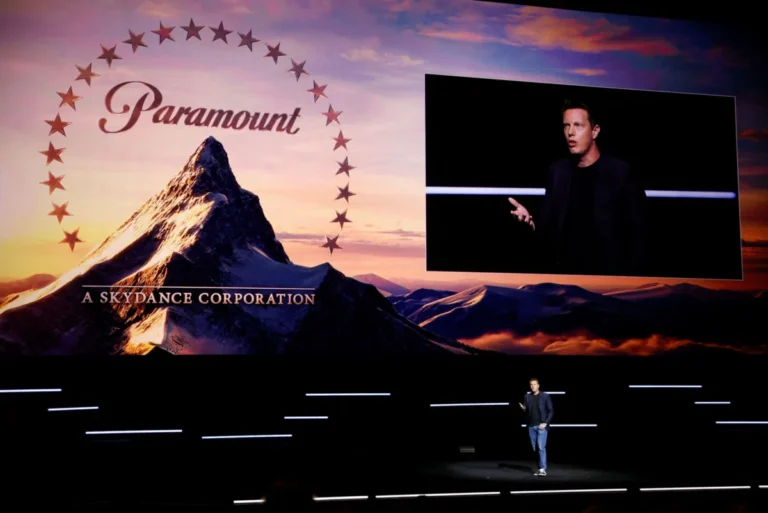


The National Football League and Paramount Skydance have initiated formal negotiations to renew their long-term media rights agreement, a move that signals a significant restructuring of the professional football broadcasting landscape. According to sources familiar with the discussions, the league and CBS executives are currently debating a substantial price increase for the Sunday afternoon game package, with current proposals suggesting a bid-ask spread midpoint of approximately 50% to 60%. If finalized, this adjustment would elevate the annual payment from the current average of $2.1 billion to a figure exceeding $3 billion per year.
The impetus for these early negotiations stems from a unique "change-of-control" provision triggered by Skydance Media’s acquisition of Paramount Global. This clause granted the NFL the legal leverage to potentially terminate its existing contract by 2027. To secure long-term stability for both parties, the proposed renewal would involve the NFL waiving its opt-out clause, which was originally scheduled for the 2029-30 season. In exchange for this permanence and the increased rights fees, Paramount’s CBS would maintain its position as a primary broadcaster of the NFL’s Sunday afternoon slate through the conclusion of the 2033-34 season.
The Financial Framework of the Paramount-Skydance Renewal
The financial implications of this deal are vast, particularly as Paramount Global undergoes a transformative merger. Paramount Chief Financial Officer Dennis Cinelli recently informed investors that the company’s adjusted projection for earnings before interest, taxes, depreciation, and amortization (EBITDA) for 2026 stands at $3.6 billion. However, should the anticipated merger with Warner Bros. Discovery (WBD) receive regulatory approval, the combined entity’s adjusted EBITDA is projected to skyrocket to $18 billion.
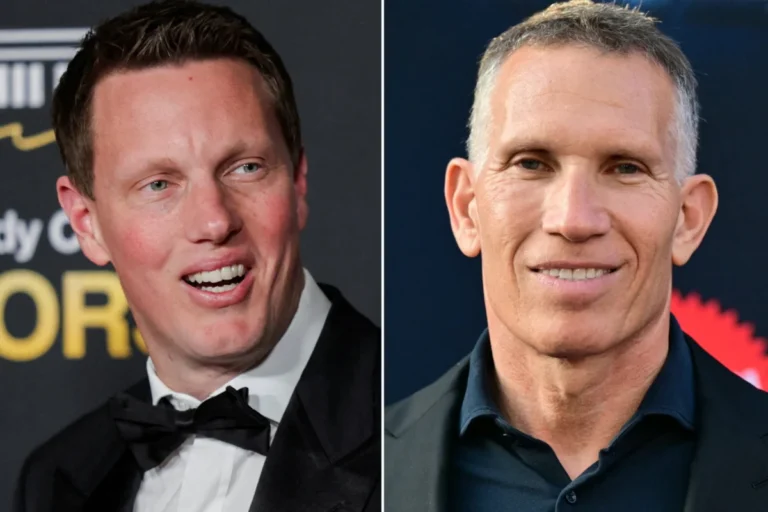
This massive influx of capital and scale is viewed as a prerequisite for sustaining the escalating costs of premium sports content. Under the proposed terms, CBS would begin paying the higher fee as early as next season, committing to an eight-year cycle that ensures the network remains the home of the American Football Conference (AFC) package. David Ellison, CEO of Paramount Skydance, recently emphasized the critical nature of this partnership, noting that the NFL remains the cornerstone of the company’s media strategy following a record-breaking season in viewership and engagement.
Chronology of the NFL’s Media Rights Evolution
To understand the gravity of the current negotiations, one must look at the timeline of the NFL’s 11-year media rights cycle, which was established in 2021. The original agreement, valued at over $110 billion in total across all partners, was designed to provide the league with unprecedented financial security while allowing for strategic "check-ins" via opt-out clauses.
- March 2021: The NFL signs landmark 11-year deals with CBS, NBC, Fox, ESPN/ABC, and Amazon, set to run through the 2033-34 season.
- February 2024: Super Bowl LVIII on CBS becomes the most-watched telecast in history, highlighting the unparalleled reach of linear broadcasting combined with streaming via Paramount+.
- July 2025: The Federal Communications Commission (FCC) approves the $8 billion merger between Skydance Media and Paramount Global, triggering the change-of-control provision in the NFL contract.
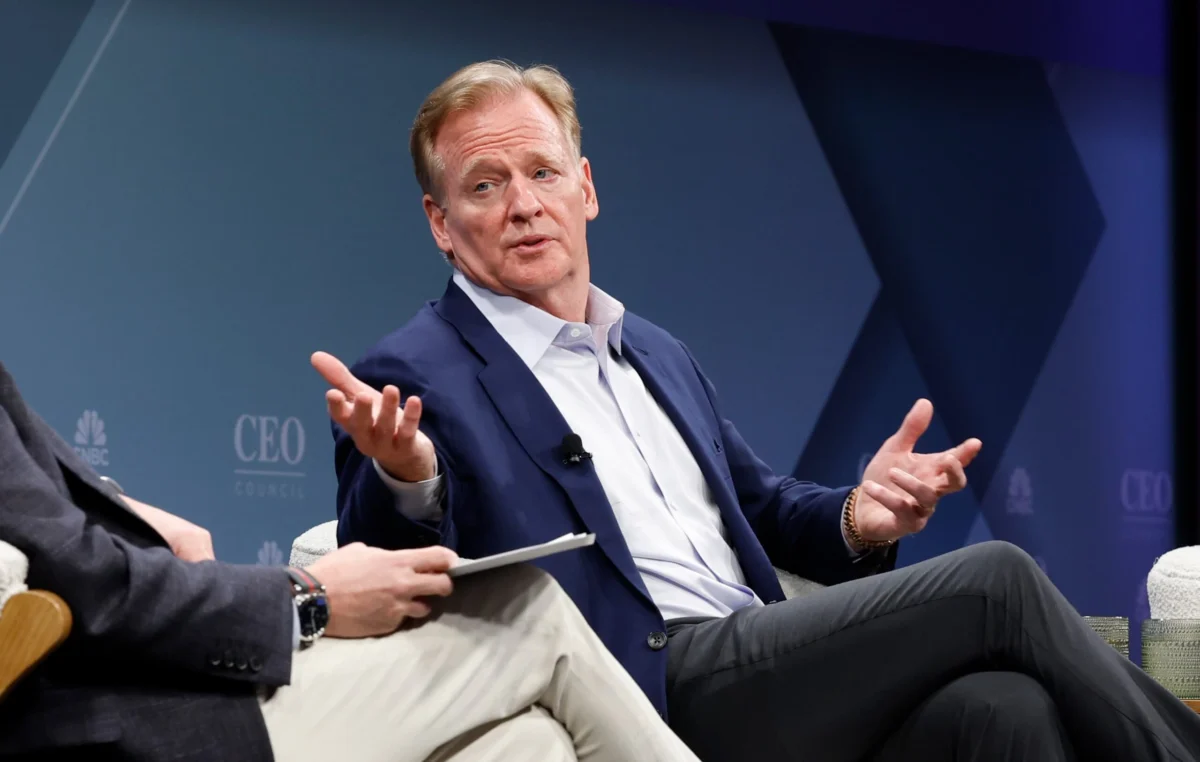
- May 2025: NFL Commissioner Roger Goodell and Paramount executives begin formalizing the "midpoint" increase of 50-60% to settle the contract’s future.
- 2026-2027: The projected window for CBS to begin its updated payment schedule, assuming the deal is ratified by the NFL’s 32 owners.
The Domino Effect: Fox, NBC, and Disney
The NFL’s decision to prioritize Paramount for renewal is a strategic move that sets a new benchmark for the rest of the industry. Industry analysts suggest that Fox may be the next network to enter the boardroom. Fox currently pays approximately $2.2 billion annually for its Sunday afternoon National Football Conference (NFC) package. While Fox CEO Lachlan Murdoch has indicated that the company has not yet engaged in "material conversations" regarding a renewal, the precedent set by CBS suggests that Fox will eventually face a similar 50% premium to retain its rights and eliminate its own 2029-30 opt-out clause.
However, the path forward for NBCUniversal and Disney/ESPN appears more complex. Executives at these networks have privately expressed concerns regarding the "dilution" of their respective packages—Sunday Night Football and Monday Night Football. In recent years, the NFL has moved to bolster Amazon Prime Video’s Thursday Night Football schedule with more competitive matchups, a trend that some traditional broadcasters feel has come at the expense of the flagship evening slots.
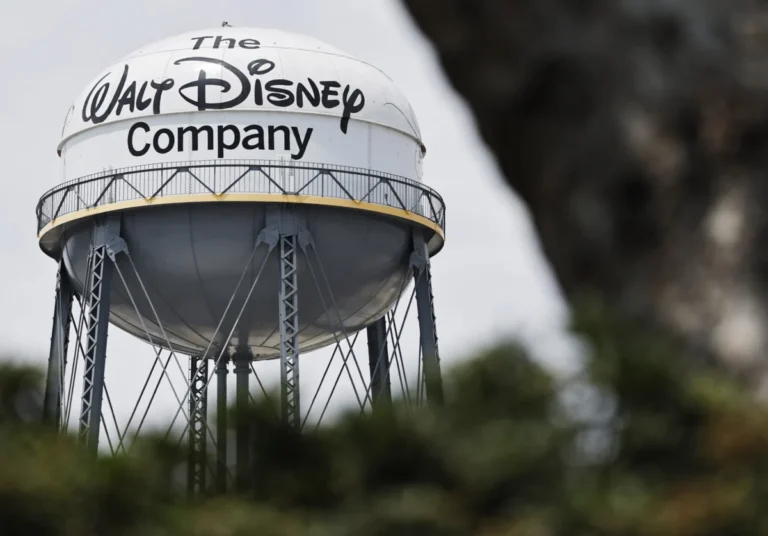
Disney, in particular, faces a daunting financial hurdle. ESPN currently pays $2.7 billion annually for its NFL rights. A 50% increase would push that figure above $4 billion per year. Sources suggest Disney leadership may balk at such a steep hike, especially as the company navigates the transition of ESPN from a cable-bundle powerhouse to a direct-to-consumer streaming entity.
Implications for Other Professional Sports Leagues
The "NFL tax" is expected to have a significant downstream effect on the broader sports rights market. As major networks commit larger portions of their programming budgets to the NFL, there is less liquidity available for secondary and tertiary sports properties.
The National Hockey League (NHL) is a primary example of a league caught in the wake of the NFL’s expansion. The NHL’s current domestic deals with Disney and Warner Bros. Discovery are set to expire after the 2028 season. While NHL Commissioner Gary Bettman has reportedly sought early renewal talks, he has been met with a "wait-and-see" approach from broadcasters. Networks are currently prioritizing the resolution of the Paramount-WBD merger and the NFL’s demands before committing capital to hockey.
Mark Lazarus, CEO of Versant (the parent company of NBCUniversal and CNBC), recently noted that the sports landscape is in a state of flux. He suggested that if the "Big Three" networks (NBC, CBS, Fox) are priced out of certain secondary rights due to their NFL commitments, it may open the door for cable-centric entities or smaller streamers to acquire rights to Major League Baseball (MLB) or the NHL at more competitive rates.
Analysis of the Shift Toward "Certainty" over "Flexibility"
The NFL’s strategy in these negotiations reveals a shift in philosophy. By offering to eliminate opt-out clauses in exchange for immediate revenue hikes, the league is choosing long-term financial certainty over the flexibility to test the open market in 2029. This suggests the league believes the current peak in media rights values may be reaching a plateau, or that the stability of the existing broadcast partners is more valuable than the potential disruption of moving games to emerging tech platforms.
For the networks, the 50% premium is a "survival tax." In an era of cord-cutting and fragmented audiences, the NFL remains the only content capable of delivering massive, live audiences that advertisers are willing to pay a premium for. For Paramount Skydance, securing the NFL is not just about sports; it is about ensuring the viability of the entire Paramount+ streaming ecosystem and the CBS broadcast network.
Conclusion and Future Outlook
As the NFL and Paramount Skydance move closer to a finalized agreement, the sports media industry is bracing for a new era of hyper-inflation in rights fees. The removal of the 2029-30 opt-out clause for CBS will likely serve as the blueprint for similar deals with Fox, Amazon, and NBC.
The outcome of these negotiations will define the financial health of major media conglomerates for the next decade. While the NFL continues to prove its dominance as the premier asset in American entertainment, the escalating costs raise questions about the long-term sustainability for broadcasters who must balance these multibillion-dollar investments against a rapidly changing consumer landscape. For now, the message from the NFL is clear: the price of entry into the nation’s most popular sport is rising, and the window to secure a seat at the table is narrowing.