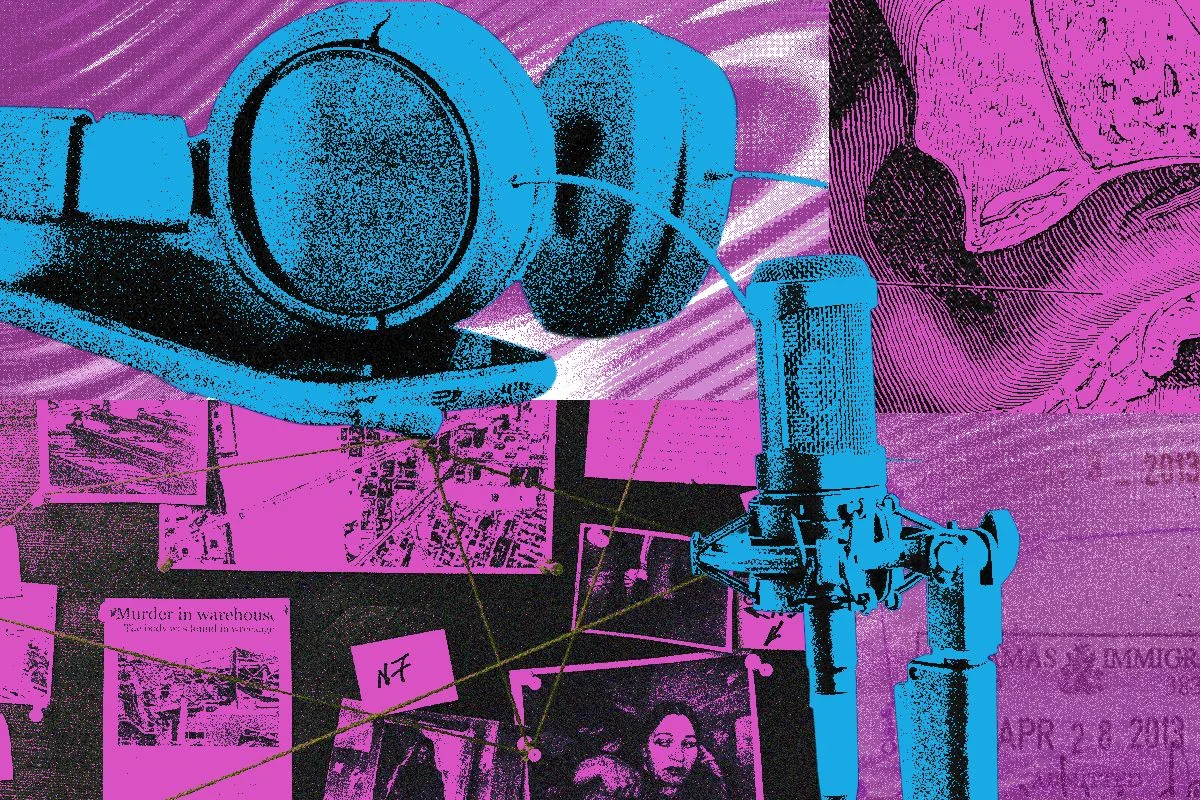
The digital audio landscape has undergone a seismic shift over the last decade, transitioning from a niche medium for tech enthusiasts into a multi-billion-dollar global ecosystem that rivals traditional broadcast television and radio. This "golden age" of audio storytelling is defined by a paradox of choice; while listeners have access to a near-infinite library of content, the proliferation of low-quality productions has necessitated a more rigorous, expert-led curation process. As of March 2026, the industry has seen a significant pivot toward high-production investigative series, AI-integrated narratives, and sophisticated subscription models that prioritize ad-free experiences and exclusive supplementary content.

The Economic Shift Toward Podcast Subscription Models
The monetization of podcasts has evolved beyond the traditional "host-read ad" model. In a move mirroring the "streaming wars" of the television industry, major networks and independent creators have launched tiered subscription services. These platforms aim to provide sustainable revenue while offering listeners enhanced value through early access and virtual community engagement.
Industry data suggests that the average listener is now willing to pay for content that provides deep intellectual value or high-production entertainment. Notable entries in this space include:
- Audible Plus ($9 per month): Now integrating Wondery+ content, this service leverages a massive catalog of exclusive audiobooks and investigative podcasts to capture the premium market.
- Pushkin Plus ($7 per month): Founded by industry veterans, this model focuses on high-brow intellectual content across multiple genres, emphasizing bonus material and ad-free listening.
- NPR Plus ($8 per month): This represents a significant shift for public media, offering a digital-first approach to its most popular shows while maintaining its mission-driven reporting.
- Tenderfoot TV Plus ($6 per month): Specializing in the true-crime genre, this service capitalizes on the "binge-listening" phenomenon by offering ad-free episodes and exclusive investigative leads.
Technological Frontiers and Ethical Dilemmas
As society grapples with the rapid advancement of artificial intelligence and cybersecurity threats, the podcasting medium has become a primary vehicle for explaining these complex shifts. The intersection of "flesh and code" is no longer science fiction but a documented reality.

Flesh and Code: Hosted by Hannah Maguire and Suruthi Bala, this series examines the burgeoning industry of AI-human relationships. As AI chatbots become more sophisticated, the podcast analyzes the psychological implications for human intimacy and the potential for tragic consequences in a largely unregulated market.

Darknet Diaries: Investigative journalist Jack Rhysider provides a critical look at the "invisible wars" being fought in the digital realm. By documenting events such as the NotPetya malware attack and the Vodafone wiretapping scandal in Greece, the show serves as a historical record of the vulnerabilities inherent in global digital infrastructure.

Your Undivided Attention: This program, led by Tristan Harris and Aza Raskin of the Center for Humane Technology, provides a fact-based analysis of how "Big Tech" algorithms influence human behavior. The show’s primary focus is on the ethical responsibility of developers and the potential to realign technology with the best interests of humanity.
Investigative Reporting and the Lawless High Seas
The true-crime genre has matured from sensationalist storytelling into a powerful tool for social justice and investigative journalism. These programs often spend years in production, utilizing deep-cover reporting and legal analysis to uncover systemic failures.

The Outlaw Ocean: Based on the reporting of Ian Urbina, this anthology series explores the "frontier of lawlessness" on the world’s oceans. The show documents grave human rights abuses, including slave labor and maritime murder, highlighting the difficulty of policing international waters that fall outside traditional national jurisdictions.
Bone Valley: Hosted by Gilbert King, this series represents the pinnacle of "innocence project" style podcasting. By meticulously re-examining a 1987 Florida murder case, the production uncovered fresh evidence and a confession from a different party, illustrating the catastrophic impact of incompetent police work and a flawed judicial process.

The Dropout: This series provided a definitive chronology of the rise and fall of Elizabeth Holmes and Theranos. Beyond the personal scandal, the podcast analyzes the "fake it till you make it" culture of Silicon Valley and the dangers of disruptive technology that lacks a foundation in verified science.

Socio-Economic Narratives and the Culture Wars
Understanding the modern social fabric requires an interrogation of how people live, work, and interact within increasingly polarized environments.

Things Fell Apart: Jon Ronson’s work is a masterclass in empathetic inquiry. By tracing the origins of modern culture wars—from anti-vaccination movements to public shaming—Ronson illustrates how misunderstandings and small events can spiral into global societal divisions.

What We Spend: This series addresses the final taboo of modern life: personal finance. By interviewing individuals across the socio-economic spectrum—from the "working homeless" to high-earning professionals—the podcast provides an objective look at the cost of living and the reality of modern economic survival.

The Cost of Happiness: Focusing on the life of Tony Hsieh, the former CEO of Zappos, this podcast examines the "Downtown Project" in Las Vegas. It serves as a cautionary tale about the limits of billionaire-led utopianism and the complexities of trying to "engineer" a community.

Science, Health, and the Debunking of Misinformation
In an era of "alternative facts," podcasts that prioritize peer-reviewed research and expert testimony have seen a surge in listenership.

Ologies: Alie Ward’s series democratizes science by interviewing specialists in obscure fields. The show’s success lies in its ability to make "hard science" accessible through humor and relentless curiosity.

Maintenance Phase: This program performs a vital public service by debunking wellness fads and junk science. Hosts Aubrey Gordon and Michael Hobbes utilize rigorous research to challenge the $4.5 trillion global wellness industry, exposing the lack of evidence behind many popular health trends.

Hidden Brain: Hosted by Shankar Vedantam, this NPR staple uses psychology and neurobiology to explain human behavior. The show provides listeners with tools to understand their own biases and the "hidden" forces that drive decision-making.

The Evolution of Audio Fiction and Narrative Drama
The "radio play" has been reimagined for the 21st century, utilizing binaural audio and high-fidelity sound design to create immersive fictional worlds.
Midnight Burger: This sci-fi drama utilizes a "time-traveling diner" premise to explore philosophical questions. Its success marks a return to character-driven storytelling that blends humor with profound existential inquiries.

Alien: Out of the Shadows: Representing the entry of major franchises into the audio space, this production features a full cinematic cast and high-budget sound effects. It demonstrates the medium’s capability to expand existing cinematic universes without the constraints of visual effects budgets.

Darkest Night: This series pushed the boundaries of the horror genre through the use of 360-degree binaural audio, creating a physical sense of dread for the listener. Its focus on immersive storytelling has influenced a new generation of "audio-first" horror creators.

Sports, Music, and the Intellectualization of Popular Culture
Podcasts have allowed fans to move beyond "stat-counting" and into deep-dive analyses of the history and sociology of their favorite pastimes.

Cocaine and Rhinestones: Tyler Mahan Coe’s exhaustive history of country music is more than a music podcast; it is a sociological study of 20th-century America. The show’s rigorous research into the lives of figures like George Jones and Loretta Lynn provides a factual counter-narrative to the polished myths of Nashville.

The Rest is Football: As traditional sports broadcasting undergoes a transformation, player-led podcasts like this one (featuring Gary Lineker, Alan Shearer, and Micah Richards) provide an "insider" perspective that was previously inaccessible to the general public.
Bandsplain: This series addresses the "gatekeeping" of music culture by having experts explain the significance of cult and legendary bands. It serves as a bridge between casual listening and serious musicology.

Broader Impact and Industry Implications
The data-driven growth of the podcasting industry indicates a fundamental shift in how humans consume information. Unlike the passive consumption of television, podcasting is an "active" medium that integrates into the daily routines of the global workforce—during commutes, exercise, and household labor.

The transition toward subscription-based models suggests that the industry is reaching a point of maturity. Listeners are no longer just consumers; they are patrons of specific intellectual and creative movements. Furthermore, the rise of investigative audio journalism has filled a void left by the decline of local print news, with podcasts now serving as primary investigators of cold cases, corporate fraud, and environmental crimes.
As we move further into 2026, the integration of AI in podcasting—both as a subject of reporting and a tool for production (such as automated transcription and real-time translation)—will likely be the next major frontier. However, the core appeal of the medium remains unchanged: the power of the human voice to educate, entertain, and foster empathy in an increasingly digital world.