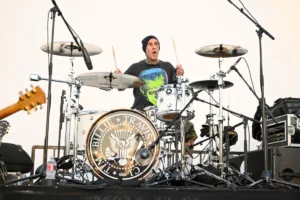


Two prominent acts originally slated to perform at the now-cancelled Bluesfest 2026 have taken steps to ensure their Australian fans will still have the opportunity to experience their music. The Wailers and The Pogues, both significant names in their respective genres, have announced updated routing for their Australian tours, offering a beacon of hope for concertgoers following the festival’s abrupt cancellation. This development follows similar reassurances from other artists on the Bluesfest bill, including Sublime and Counting Crows, who have also confirmed their intention to proceed with their scheduled performances.
The Wailers Confirm New East Coast Itinerary
The Wailers, a band steeped in the rich legacy of reggae music, have unveiled a revised schedule for their East Coast Australian dates. The updated tour, now presented by Noisy Group, will feature a series of intimate shows across New South Wales and Queensland. Fans in Gosford, Sydney, Port Macquarie, Coffs Harbour, and Brunswick Heads will have the chance to see the legendary band perform through the Easter weekend. Notably, a previously scheduled Melbourne date has been removed from this new itinerary. This strategic adjustment aims to salvage the Australian leg of their tour, providing a direct connection with their fanbase despite the festival’s collapse.
This tour holds particular significance as it marks the 50th anniversary of Rastaman Vibration, Bob Marley’s seminal 1976 album. This landmark release is widely credited with propelling reggae music into mainstream commercial success in the United States. Rastaman Vibration achieved a peak position of No. 8 on the Billboard 200 chart, becoming the first Bob Marley album to enter the top 10. Furthermore, the album spawned the single "Roots, Rock, Reggae," which remains the only Bob Marley track to chart on the Billboard Hot 100. The current iteration of The Wailers is led by Aston Barrett Jr., son of the iconic bassist Aston "Familyman" Barrett, and features the commanding vocals of Mitchell Brunings. Their performances aim to honor the enduring spirit and musical genius of Bob Marley and the Wailers.
The Pogues Add Brisbane Date to Australian and New Zealand Tour
In parallel, The Pogues, the acclaimed Celtic punk pioneers, have confirmed that their Australian and New Zealand tour will proceed as planned. Adding to their existing schedule, the band has announced a new show in Brisbane, set to take place at the Fortitude Music Hall on April 2. This addition provides an extra opportunity for fans in Queensland to witness the band’s electrifying live performance.
Tickets for this newly added Brisbane date are scheduled to go on sale on Monday, March 23, at 10 a.m. AEST, with sales being managed through Ticketmaster. The band’s current tour celebrates the 40th anniversary of Rum, Sodomy & the Lash, their celebrated second album released in 1985. This tour features original members James Fearnley, Jem Finer, and Spider Stacy, alongside a talented ensemble including Daragh Lynch, Iona Zajac, John Francis Flynn, and Lisa O’Neill. Their performances are a testament to the band’s enduring legacy and their unique blend of traditional Irish folk music with punk rock energy.

Context of the Bluesfest 2026 Cancellation
The confirmations from The Wailers and The Pogues come in the wake of significant concern regarding the financial ramifications of the Bluesfest 2026 cancellation for international touring acts. The festival, scheduled to take place from April 2 to April 5 at Byron Events Farm, was abruptly called off on March 13. The organizers cited escalating operational costs and softer-than-anticipated ticket sales as the primary reasons for the cancellation. Following the announcement, a liquidator was appointed to manage the festival’s financial affairs, leaving many artists and associated businesses in a precarious financial position.
This situation has raised serious questions about the financial stability of large-scale music festivals and the contractual protections afforded to artists. Adam Duritz, frontman of Counting Crows, a band also affected by the cancellation, voiced his concerns earlier in the week. Duritz indicated that many artists on the Bluesfest bill likely had not received upfront payments for their festival appearances. Without this crucial financial anchor, he warned, some acts might be compelled to cancel their entire Australian tours, leading to further disappointment for fans and significant financial losses for the artists. The proactive rescheduling by The Wailers and The Pogues demonstrates their commitment to their Australian audience and their efforts to mitigate the impact of the festival’s collapse.
Broader Implications for the Live Music Industry
The collapse of Bluesfest 2026 and the subsequent scramble by artists to salvage their tours highlight a broader vulnerability within the international touring circuit. The economic model of large music festivals often relies on significant upfront investment and substantial ticket sales to cover artist fees, production costs, and logistical expenses. When these projections fall short, or when unforeseen circumstances like rising costs or economic downturns occur, the entire ecosystem can be jeopardized.
For international artists, particularly those who are not at the very top tier of global stardom, a festival appearance often forms a crucial part of their touring revenue. The guarantee of a performance fee from a major festival can enable them to undertake costly international tours, covering flights, accommodation, and crew salaries for multiple shows across a country or region. The cancellation of such a festival can therefore have a domino effect, potentially making an entire tour financially unviable.
The actions taken by The Wailers and The Pogues, in conjunction with other artists like Sublime and Counting Crows, represent a resilience and determination to fulfill their commitments to their fans. However, the financial strain and logistical challenges involved in reconfiguring tours at short notice are considerable. This situation underscores the need for greater transparency in festival financial models, robust contractual agreements, and potentially, revised insurance or financial protection mechanisms for artists facing festival cancellations.
The success of these rescheduled shows will be closely watched by the industry as an indicator of fan demand and the ability of artists to adapt in challenging circumstances. It also serves as a reminder of the intricate web of financial and logistical dependencies that underpin the global live music industry. While the immediate focus is on ensuring fans can still experience the music they love, the long-term implications of such cancellations could shape how future tours and festivals are planned and financed. The commitment shown by these artists to their Australian fans in the face of adversity is a testament to the enduring power of live music and the strong connection between artists and their audiences.