


The television landscape in March is characterized by a significant focus on historical retrospectives, true crime investigations, and the return of high-profile intellectual properties across major streaming platforms. As the industry nears the 40th anniversary of the Chernobyl nuclear disaster, programming schedules are heavily weighted toward documentaries and dramatizations of radiological events, alongside the continuation of major franchise narratives. This month’s slate reflects a broader industry trend of blending educational content with high-budget scripted drama, catering to an audience increasingly interested in both historical accuracy and speculative fiction.
Historical Retrospectives and Nuclear Safety Analysis
The month of March serves as a prelude to the 40th anniversary of the Chernobyl disaster, which occurred on April 26, 1986. CNN and Netflix are both utilizing this window to examine the legacy of nuclear accidents, though through different narrative lenses.
Disaster: The Chernobyl Meltdown (CNN)
Scheduled to air from March 1 through March 8, CNN’s four-episode miniseries Disaster: The Chernobyl Meltdown provides a comprehensive examination of the Level 7 event on the International Nuclear and Radiological Event Scale (INES). The series utilizes never-before-seen archival footage from the 30-kilometer Exclusion Zone, offering a visual record of the immediate aftermath and the long-term environmental shift.
The documentary arrives at a time when nuclear proliferation and energy security have returned to the forefront of international diplomatic discourse. Analysts suggest that the series aims to contextualize the 1986 Soviet-era failures within the framework of modern geopolitical tensions. By featuring interviews with "insiders" who are speaking on the record for the first time, the production seeks to clarify the timeline of the government cover-up that delayed international notification of the radiation leak. Data indicates that the Chernobyl disaster remains the most expensive accident in human history, with costs exceeding $235 billion in inflation-adjusted figures.
Radioactive Emergency (Netflix)
Premiering March 18, Netflix’s Radioactive Emergency shifts the focus to the Southern Hemisphere, dramatizing the 1987 Goiânia incident in Brazil. This Level 5 INES event occurred when a forgotten radiotherapy source containing Cesium-137 was scavenged from an abandoned hospital site.
The five-episode docudrama explores the scientific and medical response to the contamination, which resulted in the monitoring of over 112,000 people for radioactive exposure. While the incident claimed four lives, its legacy in nuclear medicine and waste management protocols remains profound. The series serves as a cautionary analysis of the "orphan source" phenomenon—radioactive materials that are no longer under proper regulatory control.
Evolution of the Superhero Genre and Scripted Drama
The streaming market continues to lean on established intellectual properties (IP) to drive subscriber retention, with Disney+ and Prime Video leading the month with high-budget expansions of existing universes.
Daredevil: Born Again (Disney+)
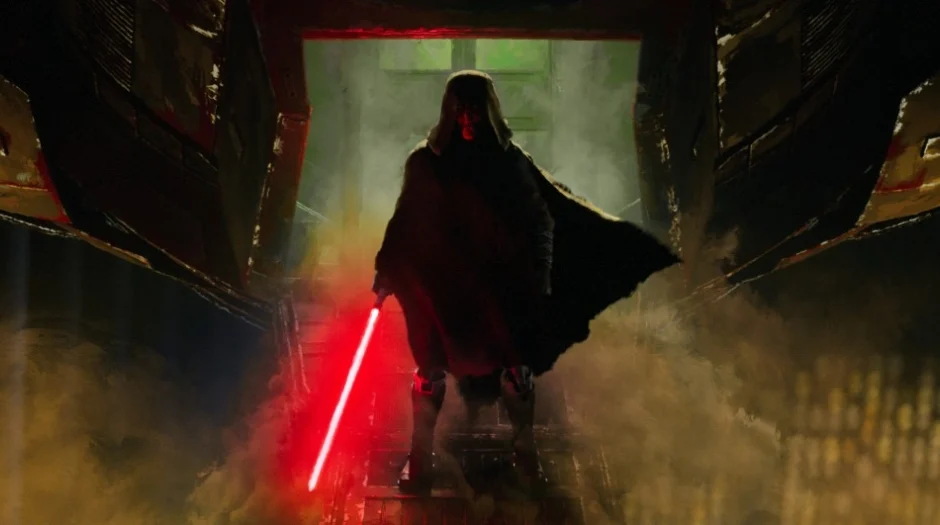
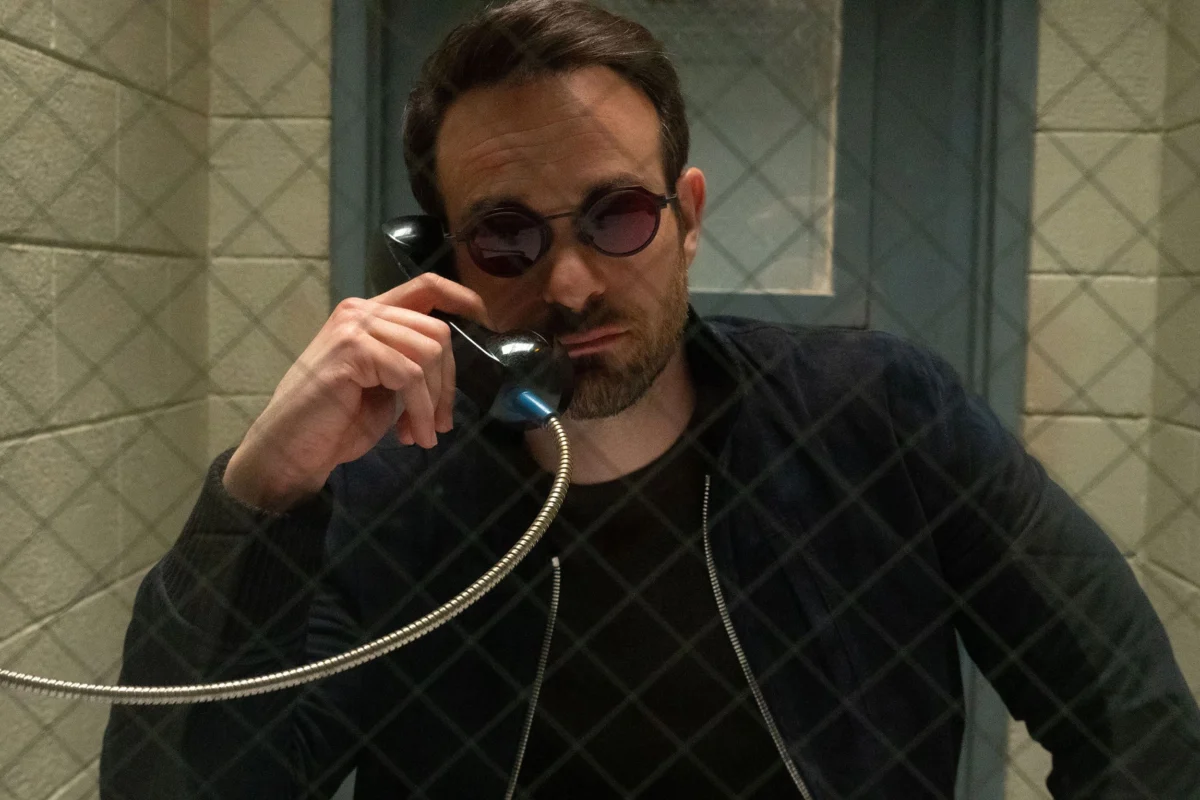
On March 4, the second season of Daredevil: Born Again premieres, marking a pivotal moment for the Marvel Cinematic Universe (MCU). The series represents a "redemption arc" for the character of Matt Murdock, played by Charlie Cox, following the cancellation of the original Netflix iteration in 2018.
The production of Born Again was notably complex, involving a massive creative overhaul in 2023 to align the show’s tone more closely with the gritty, "street-level" realism of the original series. This shift was a direct response to fan feedback and critical analysis of the MCU’s recent television output. Season 2 continues the antagonistic relationship between Murdock and Wilson Fisk (Vincent D’Onofrio), who has transitioned from a crime lord to a political figure. Industry observers note that the show’s success is vital for Disney+ as it attempts to integrate legacy characters from former licensing agreements into its current narrative continuity.
Scarpetta (Prime Video)
Prime Video enters the forensic thriller market on March 11 with Scarpetta, an adaptation of Patricia Cornwell’s long-running book series. Starring Nicole Kidman as Dr. Kay Scarpetta and Jamie Lee Curtis as her sister, the series leverages significant "star power" to attract a mature demographic.
The production utilizes a dual-timeline structure to explore the character’s origin and her current role as Chief Medical Examiner. Cornwell’s novels, which have sold over 100 million copies worldwide, were pioneers in the forensic fiction genre. The series’ focus on scientific methodology and procedural accuracy reflects a continued demand for "prestige" crime dramas that prioritize character development over simple episodic resolution.
True Crime and the Digital Investigation Frontier
Two major docuseries arriving on March 6 highlight the evolving role of social media in criminal investigations, spanning cases from 2012 to the present day.
The TikTok Killer (Netflix)
This two-part series examines the 2023 disappearance of Esther Estepa in Spain. The investigation was unique for its reliance on the "digital footprint" left by the victim and the primary suspect, José Jurado Montilla, a social media influencer known as "Dynamite." The case serves as a sociological study on the 24/7 online culture and how public social media posts can inadvertently serve as evidence in missing persons cases.
Friends Like These: The Murder of Skylar Neese (Hulu)
Contrasting the modern TikTok era, this series revisits the 2012 murder of Skylar Neese in West Virginia. At the time, using Twitter metadata and social media posts as primary investigative tools was considered a "new frontier" for law enforcement. The case eventually led to the enactment of "Skylar’s Law" in West Virginia, which modified the criteria for Amber Alerts. The series provides a historical perspective on how digital forensics became a standard component of homicide investigations.
Scientific Exploration and Alternate Histories
March also features content that bridges the gap between educational documentary and speculative "what if" scenarios, led by industry veterans Steven Spielberg and Ronald D. Moore.
The Dinosaurs (Netflix)
Executive produced by Steven Spielberg and narrated by Morgan Freeman, The Dinosaurs is a four-part docuseries tracing the evolutionary timeline of prehistoric life. Utilizing modern paleontological data and advanced CGI, the series aims to provide a fact-based history lesson on extinction events. Spielberg’s involvement brings a cinematic pedigree to the project, while the narrative focuses on the scientific "why" behind the rise and fall of the dinosaur era, moving away from the purely fictionalized approach of the Jurassic Park franchise.
For All Mankind: Season 5 (Apple TV+)
Premiering March 27, the fifth season of For All Mankind continues its exploration of an alternate history where the global space race never concluded. Created by Ronald D. Moore, the show uses a "decade-per-season" structure, bringing the narrative into the 2010s for the upcoming episodes.
The series is frequently cited by critics as one of the most scientifically grounded works of speculative fiction on television. By reimagining real historical figures and events through the lens of continuous space exploration, the show offers a fact-based analysis of how technological priorities can reshape global politics and social progress.
Satire, AI, and the Future of Media
The final week of March introduces programming that addresses contemporary anxieties regarding artificial intelligence and the horror genre.
The Comeback: The Final Season (HBO)
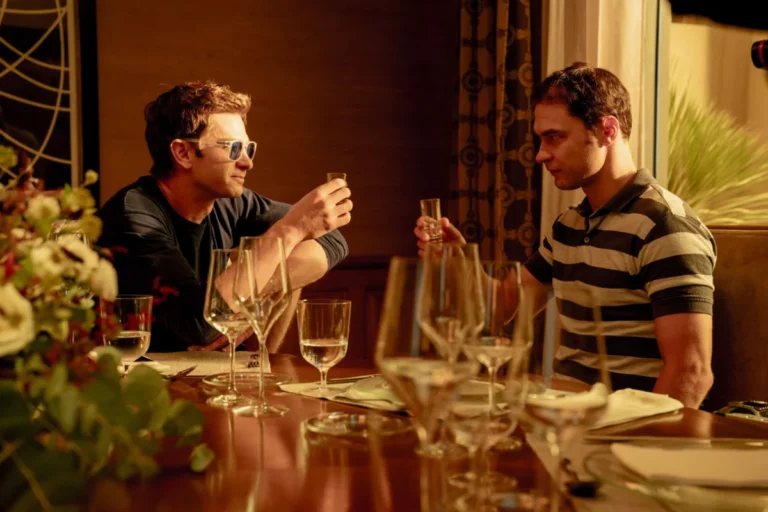
On March 22, Lisa Kudrow returns for the third and final season of The Comeback. The mockumentary series, which originally premiered in 2005, has been a prescient satire of the entertainment industry. In the new season, Kudrow’s character, Valerie Cherish, is cast in a sitcom written entirely by AI.
This plot point is particularly relevant following the 2023 Hollywood strikes, where the use of generative AI was a primary point of contention between guilds and studios. The series provides a "cringe-comedy" critique of the industry’s reliance on algorithms over human creativity, marking a full-circle moment for a show that has spent two decades satirizing the desperation for fame.
Something Very Bad Is Going to Happen (Netflix)
Produced by the Duffer Brothers and created by Haley Z. Boston, this horror series arrives on March 26. Set during the week leading up to a wedding, the show is described as a psychological exploration of dread. While specific plot details have been closely guarded, creator Boston has referenced classic horror benchmarks such as Carrie and Rosemary’s Baby. The series represents a shift for the Duffer Brothers into more adult-oriented, psychological horror following the global success of Stranger Things.
Broader Impact and Industry Implications
The March programming slate illustrates a strategic diversification by streaming services. By balancing high-cost scripted content (Daredevil, Scarpetta) with lower-cost but high-engagement docuseries (The TikTok Killer, Disaster), platforms are attempting to maximize "watch time" across various audience segments.
The heavy emphasis on nuclear history and digital crime reflects a public interest in "lessons learned" from past failures and the impact of technology on personal safety. As the streaming market reaches a point of saturation, the success of these March premieres will likely depend on their ability to offer more than mere entertainment, providing viewers with historical context and timely social commentary.