


The landscape of tactical gaming development underwent a significant shift this week as Ubisoft announced a fundamental restructuring of Red Storm Entertainment, the North Carolina-based studio synonymous with the Tom Clancy franchise. In a move that signals a departure from the studio’s nearly three-decade history of original game development, Ubisoft has confirmed that Red Storm will be transitioned into a specialized technical support hub. This strategic pivot has resulted in the redundancy of 105 positions, marking another chapter in the broader contraction currently affecting the global interactive entertainment industry.
According to internal communications initially reported by Video Games Chronicle (VGC), Red Storm Entertainment will no longer spearhead independent game projects. Instead, the Cary-based facility will focus its remaining resources on providing global IT infrastructure support and specialized technical assistance for the Snowdrop engine. The Snowdrop engine, originally developed by Massive Entertainment, serves as the technological backbone for several of Ubisoft’s high-profile titles, including The Division series, Star Wars Outlaws, and Avatar: Frontiers of Pandora.
This restructuring effectively ends Red Storm’s tenure as a primary creative force within Ubisoft’s portfolio, a role it has held since the turn of the millennium. The 105 employees affected by these layoffs represent a substantial portion of the studio’s workforce, encompassing roles across game design, narrative development, art, and production.
The Legacy of Red Storm: From Tom Clancy to Tactical Realism
To understand the weight of this transition, one must look back at the studio’s foundational role in the industry. Founded in 1996 by world-renowned techno-thriller author Tom Clancy alongside retired Royal Navy Captain Doug Littlejohns, Red Storm Entertainment was established with the specific goal of bringing Clancy’s intricate geopolitical narratives to the medium of video games.
The studio’s early success was meteoric. In 1998, it released Tom Clancy’s Rainbow Six, a title that arguably defined the tactical shooter genre. Unlike the fast-paced "arena shooters" of the era, Rainbow Six emphasized planning, stealth, and lethal realism. This success was followed by the launch of Tom Clancy’s Ghost Recon in 2001, which further refined the tactical military simulation and became a cornerstone of the Ubisoft catalog after the publisher acquired Red Storm in 2000 for approximately $45 million.
Throughout the 2000s and early 2010s, Red Storm remained a vital component of the Ubisoft machine. While other studios like Ubisoft Montreal eventually took the lead on the Rainbow Six franchise (most notably with the live-service hit Rainbow Six Siege), Red Storm continued to contribute significantly to the Ghost Recon series, including the critically acclaimed Ghost Recon Advanced Warfighter. The studio also played a pivotal supporting role in the development of the Far Cry series, assisting with multiplayer components and technical optimization.
The Pivot to Virtual Reality and Recent Project Challenges
In the latter half of the last decade, Red Storm emerged as Ubisoft’s primary pioneer in the burgeoning field of Virtual Reality (VR). Leveraging its history of immersive gameplay, the studio developed several experimental and high-quality VR titles. These included Werewolves Within (2016), which was later adapted into a feature film, and Star Trek: Bridge Crew (2017), a title widely praised for its innovative use of social VR and voice commands.
The studio’s most recent major release was Assassin’s Creed Nexus VR (2023), which brought the publisher’s flagship franchise to the Meta Quest platform. Despite receiving positive reviews for its translation of parkour and assassination mechanics into a first-person VR environment, the project existed within a niche market that has struggled to achieve the massive commercial scale of traditional console and PC gaming.
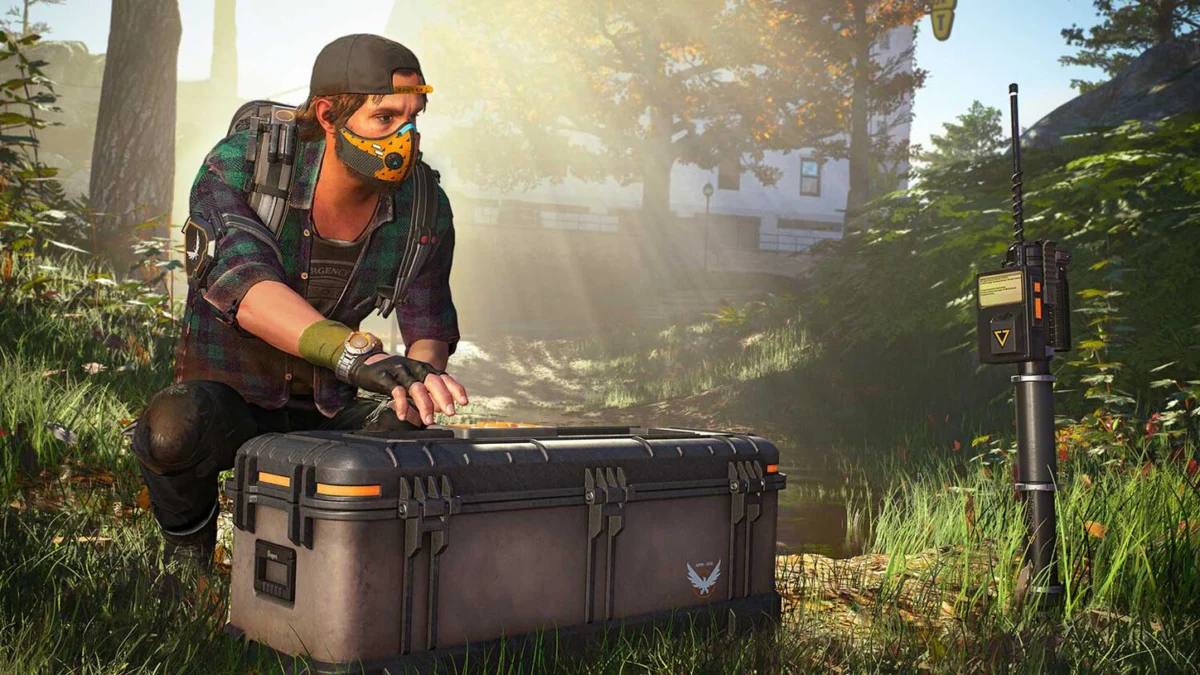
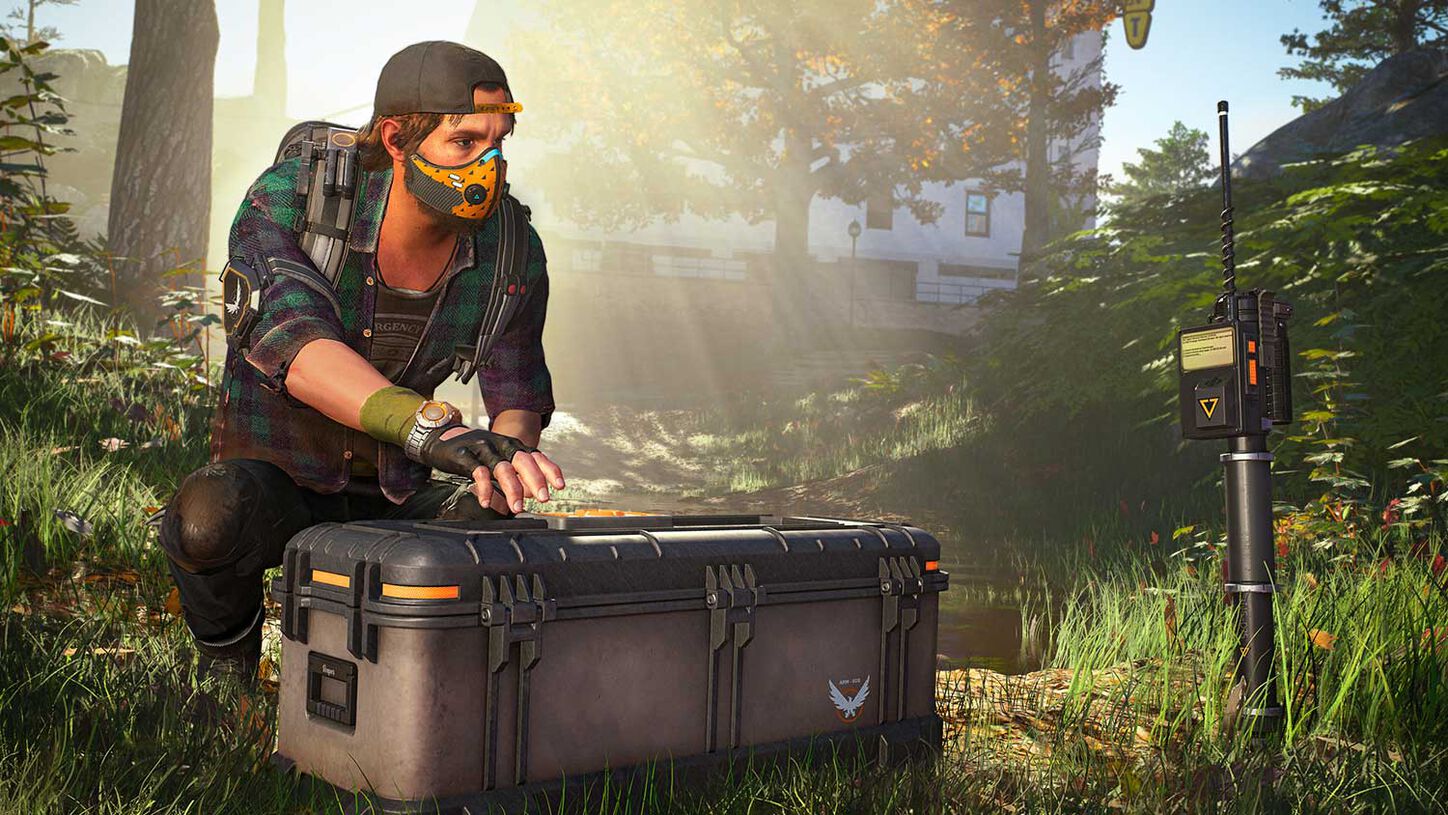
The precursor to the current restructuring can be traced back to the fate of Tom Clancy’s The Division: Heartland. Announced in 2021 as a free-to-play "extraction shooter" set in the rural American town of Silver Creek, Heartland was intended to expand The Division’s universe to a wider audience. However, after three years of development and multiple public testing phases, Ubisoft officially cancelled the project in May 2024. At the time, Ubisoft stated the decision was made to "redirect resources to bigger opportunities" and more established live-service titles like XDefiant and Rainbow Six Siege. The cancellation of Heartland left Red Storm without a primary project, ultimately leading to the decision to retool the studio’s mission entirely.
A Broader Strategy of Organizational Consolidation
The layoffs at Red Storm do not exist in isolation. They are part of what Ubisoft leadership has described as a "major organizational, operational, and portfolio reset." Over the past 18 months, Ubisoft has been engaged in an aggressive cost-cutting initiative aimed at streamlining its global operations and focusing on "mega-brands" with high long-term revenue potential.
The company’s financial reports have highlighted a need to adapt to a "persistently more selective AAA market." This has resulted in several high-profile shifts across the company’s global network:

- Studio Closures and Reductions: Ubisoft has recently closed its offices in Halifax and Stockholm and restructured its presence in Abu Dhabi.
- Project Cancellations: In addition to The Division: Heartland, the company famously halted development on the Prince of Persia: Sands of Time Remake (restarting it under Ubisoft Montreal) and cancelled several unannounced projects during a mid-2023 financial review.
- Staffing Adjustments: Major studios such as Massive Entertainment (Malmö) and Redlynx (Helsinki) have also seen headcount reductions as part of the publisher’s goal to reduce annual overhead by approximately €200 million.
The decision to move Red Storm into a support role for the Snowdrop engine reflects a growing trend among major publishers to centralize technical expertise. As game development costs soar, maintaining proprietary engines requires a dedicated workforce that can assist multiple studios simultaneously. By transforming Red Storm into a Snowdrop support hub, Ubisoft aims to ensure that its upcoming heavy hitters—such as the highly anticipated Star Wars Outlaws and the eventual The Division 3—have the technical backing required to meet modern graphical and performance standards.
Timeline of Red Storm Entertainment’s Evolution
- 1996: Founded by Tom Clancy and Doug Littlejohns in Cary, North Carolina.
- 1998: Release of Tom Clancy’s Rainbow Six, revolutionizing tactical shooters.
- 2000: Ubisoft acquires Red Storm Entertainment.
- 2001: Launch of Tom Clancy’s Ghost Recon.
- 2006: Contributes to the development of Ghost Recon Advanced Warfighter.
- 2016: Releases Werewolves Within, signaling a shift toward VR development.
- 2017: Releases Star Trek: Bridge Crew to critical acclaim.
- 2021: The Division: Heartland is officially announced.
- 2023: Release of Assassin’s Creed Nexus VR.
- May 2024: Ubisoft cancels The Division: Heartland.
- Present: Red Storm transitions to IT and Snowdrop support; 105 roles eliminated.
Analysis of Industry Implications
The transition of Red Storm Entertainment is emblematic of the "Great Reset" currently occurring within the video game industry. Following a period of rapid expansion during the COVID-19 pandemic, many of the world’s largest publishers are now facing a reality defined by high interest rates, stagnant growth in the hardware market, and an increasingly crowded live-service landscape.
The "competitive shooter landscape" mentioned in Ubisoft’s internal communications refers to the immense difficulty of launching new intellectual properties or spin-offs in a market dominated by titans like Call of Duty, Fortnite, and Apex Legends. The failure of Heartland to reach the finish line suggests that even established brands like The Division face uphill battles when entering the free-to-play arena.
For the 105 developers departing Red Storm, the timing is particularly challenging. The industry has seen over 10,000 layoffs in 2024 alone, following a similarly brutal 2023. However, the Cary and Raleigh regions of North Carolina remain significant tech hubs, home to Epic Games and various other technology firms, which may provide some opportunities for displaced talent.
From a technical standpoint, the move reinforces the importance of the Snowdrop engine to Ubisoft’s future. By tasking a veteran studio with engine support, Ubisoft is betting on the longevity of its internal tools rather than relying on third-party solutions like Unreal Engine 5. This move ensures that the knowledge base for Snowdrop remains robust, even as the creative leadership of the company shifts toward its larger European and Canadian studios.
As Red Storm Entertainment moves into its new phase, its legacy as the birthplace of the tactical shooter remains secure. However, its departure from the front lines of game creation serves as a stark reminder of the volatile nature of modern game development and the relentless drive for corporate efficiency in an era of "selective" AAA success.