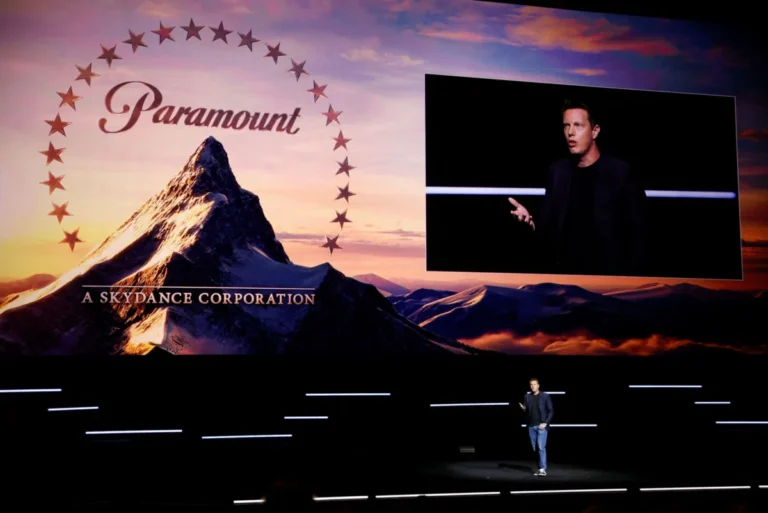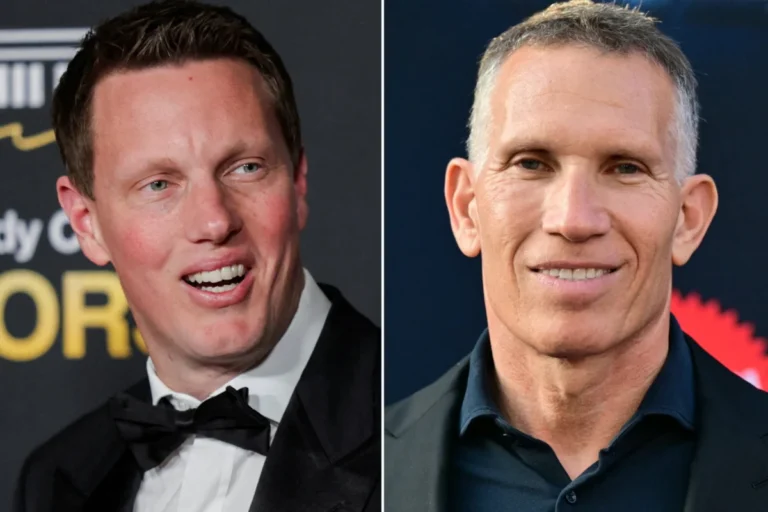


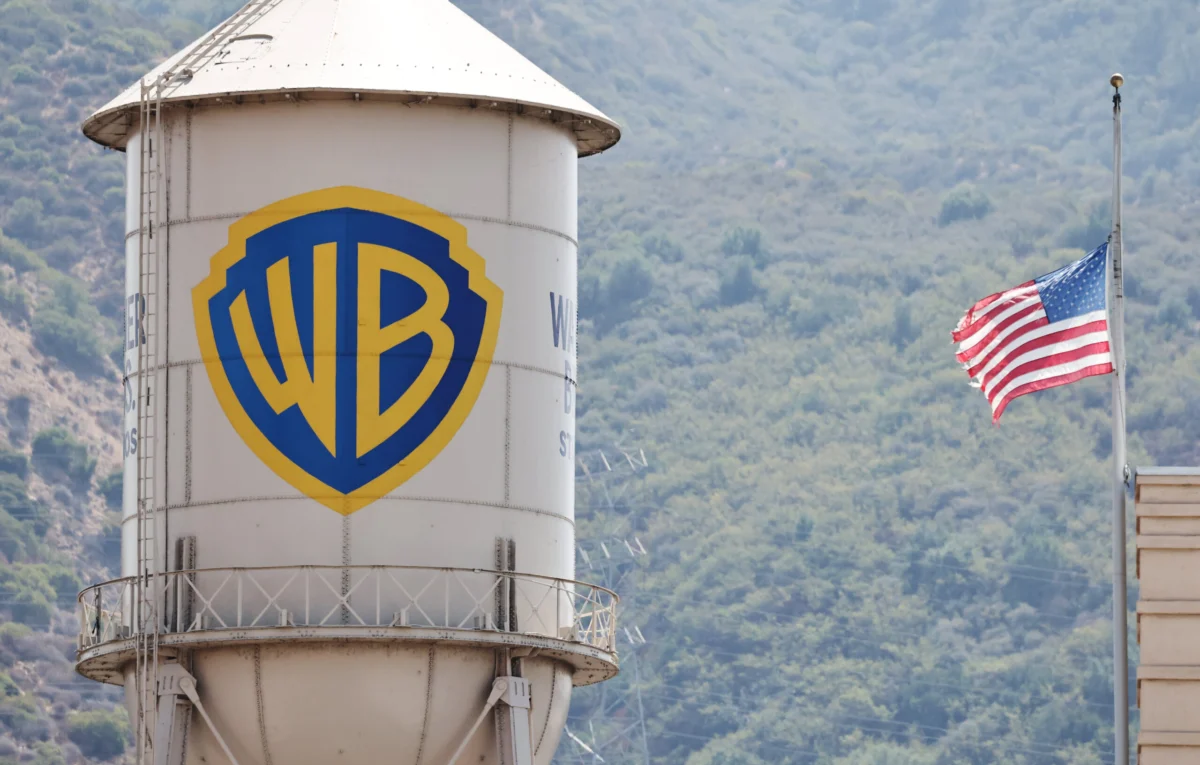
The decision by the Warner Bros. Discovery (WBD) board of directors to move forward with a merger proposal from Paramount Skydance has sent shockwaves through the media landscape, signaling a seismic shift in the entertainment industry’s hierarchy. While the move potentially enriches shareholders by opting for a superior financial offer, it has simultaneously ignited a wave of apprehension among the company’s global workforce. On Thursday, the board formally signaled its preference for the acquisition offer led by David Ellison’s Paramount Skydance, valuing WBD shares at $31 per share. This bid notably outperformed a competing $27.75-per-share offer from the streaming giant Netflix, which had long been whispered about as a potential "white knight" for the legacy media conglomerate.
The financial logic behind the board’s decision is rooted in immediate shareholder value. At $31 per share, the Paramount Skydance deal represents a significant premium over Netflix’s offer and WBD’s recent trading prices. However, the internal reaction at Warner Bros. Discovery’s Burbank headquarters and its various global outposts has been far from celebratory. Interviews with ten WBD employees, spanning various divisions from news to streaming technology, reveal a pervasive fear regarding the long-term stability of their roles and the cultural identity of the storied studio.
The Anatomy of the Two Bids: Financials vs. Operational Autonomy
The divergence between the Netflix and Paramount Skydance offers was not merely a matter of price, but of fundamental business philosophy. Netflix’s interest in WBD was characterized by a "hands-off" approach that many employees found appealing. Netflix co-CEO Ted Sarandos had reportedly communicated a vision where WBD’s theatrical film business would remain largely autonomous, preserving the traditional windowing strategies that Netflix has historically eschewed for its own originals. Furthermore, Netflix’s plan involved maintaining HBO Max as a distinct, independent service, and crucially, it did not include the acquisition of WBD’s linear cable assets, such as CNN, TNT Sports, and the Discovery networks. Under the Netflix plan, these "linear" assets would have been spun off into a standalone publicly traded entity, effectively protecting those employees from the consolidation-driven layoffs that often follow major mergers.
In contrast, the Paramount Skydance deal is an "all-in" consolidation play. By merging two of the "Big Five" Hollywood studios, the combined entity—tentatively referred to as Paramount-WBD—would own a massive percentage of the world’s film and television intellectual property. While this creates a powerhouse capable of competing with Disney and Netflix on scale, it necessitates massive cost-cutting to justify the $111 billion enterprise value of the deal.
The Looming Shadow of Cost-Cutting and "Duplicative Operations"
The primary source of anxiety for the combined workforce of nearly 60,000 people is the explicit plan for "synergies." Paramount executives, led by Chief Strategy Officer Andy Gordon, have already identified approximately $6 billion in potential cost savings. These savings are expected to come from the elimination of what leadership calls "duplicative operations."
In the corporate world, "duplication" is often a euphemism for mass layoffs in shared departments. The merger would result in two legal departments, two human resources divisions, two marketing arms, and two massive accounting infrastructures. For WBD employees, who have already endured several rounds of layoffs since the 2022 merger of Discovery and WarnerMedia, the prospect of another "integration" period is exhausting. The trauma of previous cuts—which saw thousands of positions eliminated and high-profile projects like "Batgirl" shelved for tax write-offs—remains fresh.
Leadership Uncertainty and the Future of CNN
The leadership structure of the potential new entity remains a significant point of contention. The merger would bring together a "who’s who" of media executives, many of whom have previously held top-tier roles. Paramount’s leadership team includes President Jeff Shell (formerly the CEO of NBCUniversal), Direct-to-Consumer Chair Cindy Holland (a veteran of Netflix’s original content boom), and TV Chair George Cheeks. How these figures will integrate with WBD’s current leadership, including CEO David Zaslav and HBO chief Casey Bloys, is a question that remains unanswered.
Perhaps nowhere is the tension more palpable than at CNN. Under the current leadership of Mark Thompson, the news network has been attempting to pivot toward a digital-first future. However, reports have surfaced suggesting that David Ellison has promised significant changes to the network’s tone and personnel. Speculation has centered on Bari Weiss, the current editor-in-chief of Free Press, potentially taking a senior role that would oversee CNN’s editorial direction.
Three CNN employees expressed deep concern that a shift in ownership could lead to a dramatic overhaul of the network’s anchors and journalistic standards. While Mark Thompson issued a memo urging staff not to "jump to conclusions," the fear of political interference or a pivot toward more opinion-heavy programming has unsettled the newsroom. Media analyst Brian Stelter noted that while CNN remains a highly profitable asset, any owner would be "foolish" to disrupt a business model that continues to generate significant cash flow despite the decline of linear television.

The Sports Factor: A New Powerhouse in the Making
One area where the merger offers a clear strategic advantage is in the realm of live sports. Warner Bros. Discovery recently suffered a major blow when it lost its long-term media rights deal with the NBA, a cornerstone of TNT’s programming for decades. By merging with Paramount, WBD gains access to the robust sports portfolio of CBS Sports, which includes the NFL, the Masters, and a share of the NCAA March Madness tournament.
Interestingly, WBD and CBS have a history of successful collaboration, having co-produced and broadcast the NCAA men’s basketball tournament for years. This existing relationship provides a blueprint for how the two organizations might integrate. Luis Silberwasser, head of TNT Sports, would likely need to coordinate closely with CBS Sports President David Berson to manage the transition. While this overlap still carries the risk of job losses, the combination of assets would arguably create the most formidable sports broadcasting entity in the United States, providing the leverage needed to negotiate future rights deals in an increasingly competitive market.
Financial Risks: The Debt Burden
A recurring theme among concerned employees is the massive debt load associated with the deal. The enterprise value of $111 billion includes a staggering $64 billion in debt. For years, WBD’s primary corporate narrative has been "deleveraging"—the aggressive paying down of the debt incurred during the Discovery-WarnerMedia merger.
Employees have expressed skepticism that taking on more debt to acquire Paramount is the right path forward. Two employees noted a sense of "security" in the idea of being acquired by Netflix, a company with a market capitalization exceeding $400 billion and a relatively lean balance sheet. In comparison, the Paramount-Skydance entity has a market valuation of approximately $15 billion, making the combined company heavily reliant on the success of the merger’s "synergies" to stay afloat. There is a prevailing fear that if the projected $6 billion in savings do not materialize quickly, the company will be forced to sell off iconic assets or further gut its creative divisions.
Regulatory Hurdles and the "Not a Done Deal" Reality
Despite the board’s preference, the merger is far from a certainty. California Attorney General Rob Bonta has already signaled that his office will closely scrutinize the deal for potential antitrust violations. The transaction must also clear hurdles from the U.S. Department of Justice (DOJ) and the Federal Trade Commission (FTC), as well as regulatory bodies in Europe.
The current regulatory climate, characterized by a skeptical view of "mega-mergers" that reduce competition, suggests a lengthy and difficult approval process. David Zaslav himself acknowledged this reality during a recent all-hands meeting. According to leaked audio, Zaslav told employees, "The deal may not close. If it doesn’t close, we get $7 billion, and we get back to work."
This $7 billion breakup fee provides a significant safety net for WBD. Should regulators block the deal on the grounds that it creates a monopoly in film production or television distribution, WBD would walk away with a massive cash infusion that could be used to pay down its existing debt or reinvest in its "Max" streaming platform.
Conclusion: A High-Stakes Gamble for the Future of Media
The Warner Bros. Discovery-Paramount Skydance merger represents a high-stakes gamble on the future of traditional media. By choosing Paramount over Netflix, the WBD board has opted for a path of maximum consolidation, betting that size and scale are the only ways to survive the ongoing decline of cable television and the rise of big-tech-backed streaming services.
For the shareholders, the $31-per-share price tag is an undeniable win. For the executives involved, it is an opportunity to lead a media titan of unprecedented proportions. But for the thousands of employees who produce the films, report the news, and manage the infrastructure of these two historic companies, the merger is a source of profound uncertainty. As the deal moves into the hands of regulators and lawyers, the "deflated" atmosphere in Burbank and New York serves as a reminder of the human cost of corporate consolidation. Whether the result is a revitalized media powerhouse or a debt-laden conglomerate struggling under its own weight remains to be seen, but the landscape of Hollywood has been irrevocably changed.