The landscape of tactical first-person shooters has undergone a seismic shift with Valve’s latest update to Counter-Strike 2, titled "Guns, Guides, and Games." In a move that challenges decades of muscle memory for veteran players, the developer has fundamentally altered how ammunition and reloading function within the game’s competitive ecosystem. This update transitions the title away from the traditional "pooled ammo" system—where individual bullets are magically retained regardless of when a player reloads—to a more realistic, high-stakes magazine-discard system. Under these new parameters, any ammunition remaining in a magazine is lost upon reloading, forcing players to make critical decisions about resource management in the heat of combat.
For over twenty years, the Counter-Strike franchise has largely adhered to a system that favored accessibility in its reload mechanics. In previous iterations, including Counter-Strike: Global Offensive (CS:GO), a player could fire a single shot from a thirty-round magazine, reload, and see that single bullet returned to their total reserve. This encouraged a "constant reload" habit, where players would instinctively refresh their magazines after every minor engagement to ensure they were always at maximum capacity. Valve’s latest intervention aims to dismantle this habit, introducing a layer of tactical depth that rewards ammunition discipline and punishes impulsive reloading.
The Mechanics of the "Guns, Guides, and Games" Update
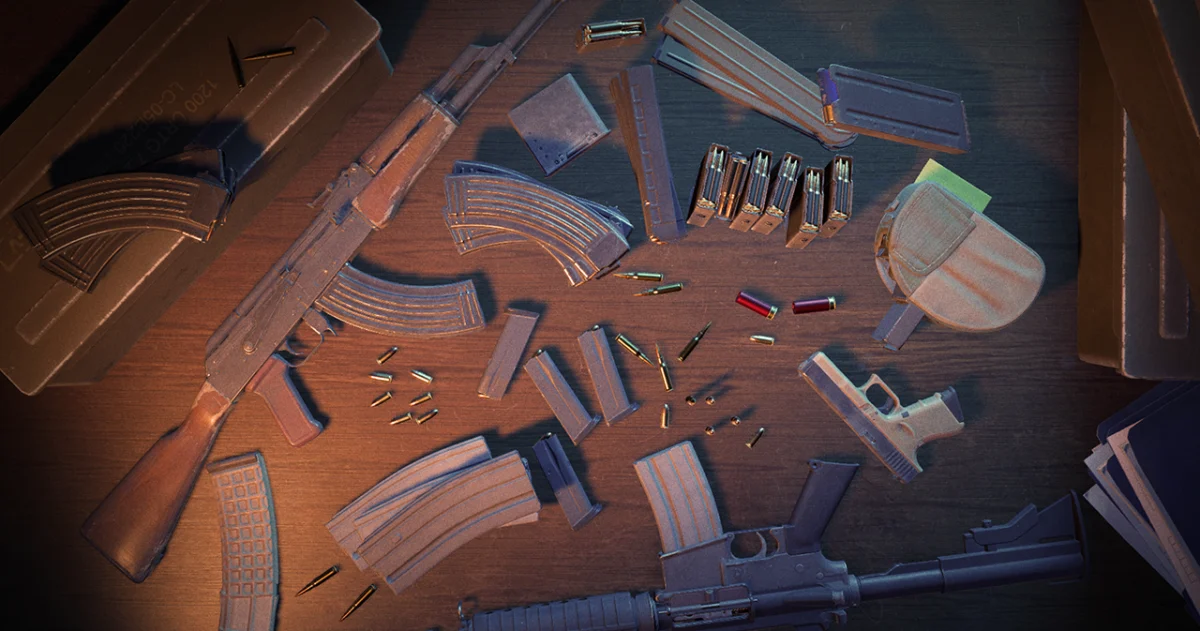
The core of the update lies in the physical and logistical handling of weaponry. When a player initiates a reload in Counter-Strike 2, the current magazine is ejected and dropped to the floor, carrying with it any unspent rounds. These rounds do not return to the player’s reserve. This change effectively categorizes reloads into two types: tactical reloads, where a player chooses to sacrifice remaining ammo for a full magazine, and empty reloads, where the player has exhausted the magazine entirely.
Valve articulated the philosophy behind this change in an official blog post, stating that the decision to reload should carry "higher stakes." The developer noted that while most weapons have been granted a standard "three clips" fill-up, certain firearms will feature restricted reserves. This is intended to reward "efficiency and precision" for high-accuracy weapons, while providing larger reserves for weapons traditionally used for "spamming" through environmental obstacles like walls and smoke grenades.
The impact is perhaps most visible in the adjustments made to the Glock-18, the starting secondary weapon for the Terrorist side. The total ammunition capacity for the Glock has been slashed from 140 rounds to just 80 rounds. When considering the new discard mechanic, a player who reloads their Glock after firing only a few shots could find themselves completely out of ammunition before the midpoint of a round. This change significantly alters the "pistol round" meta, where volume of fire was previously a viable strategy for overwhelming opponents.
Historical Context and the Return to Tactical Roots
To understand the gravity of this change, one must look at the history of the Counter-Strike series. In the original Counter-Strike 1.6 and its predecessors, ammunition management was a manual process. Players had to purchase individual magazines or boxes of ammo at the start of the round using the in-game economy. If a player forgot to buy ammo, they could enter a firefight with only the bullets currently in the chamber.
As the series evolved into Counter-Strike: Source and eventually CS:GO, the system was streamlined. Ammunition became free and was automatically replenished at the start of each round, leading to a more fast-paced, arcade-style approach to shooting. By reintroducing magazine-based scarcity, Valve is signaling a return to the franchise’s more methodical, tactical roots. This shift aligns Counter-Strike 2 more closely with "hardcore" tactical simulators such as Insurgency: Sandstorm or Escape from Tarkov, where magazine counting is a vital skill.
Strategic Implications for Competitive Play
The strategic ramifications of this update are vast, particularly in the professional circuit. Counter-Strike is defined by its "time-to-kill" (TTK), which is among the fastest in the gaming industry. A single well-placed shot from an AK-47 or a Desert Eagle can end a round instantly. Because of this, players have historically prioritized having a full magazine at all times.
-
The End of "Spamming" Through Smoke:
In high-level play, players frequently "spray" their rifles through smoke grenades to catch enemies off-guard or prevent a bomb plant. Previously, the only cost to this was the time spent reloading afterward. Now, a player who sprays 20 rounds into a smoke cloud and reloads will lose the remaining 10 rounds in that magazine. Over the course of a two-minute round, this can lead to a defender being forced to switch to their secondary weapon or pick up a fallen enemy’s rifle simply because they ran out of reserve magazines.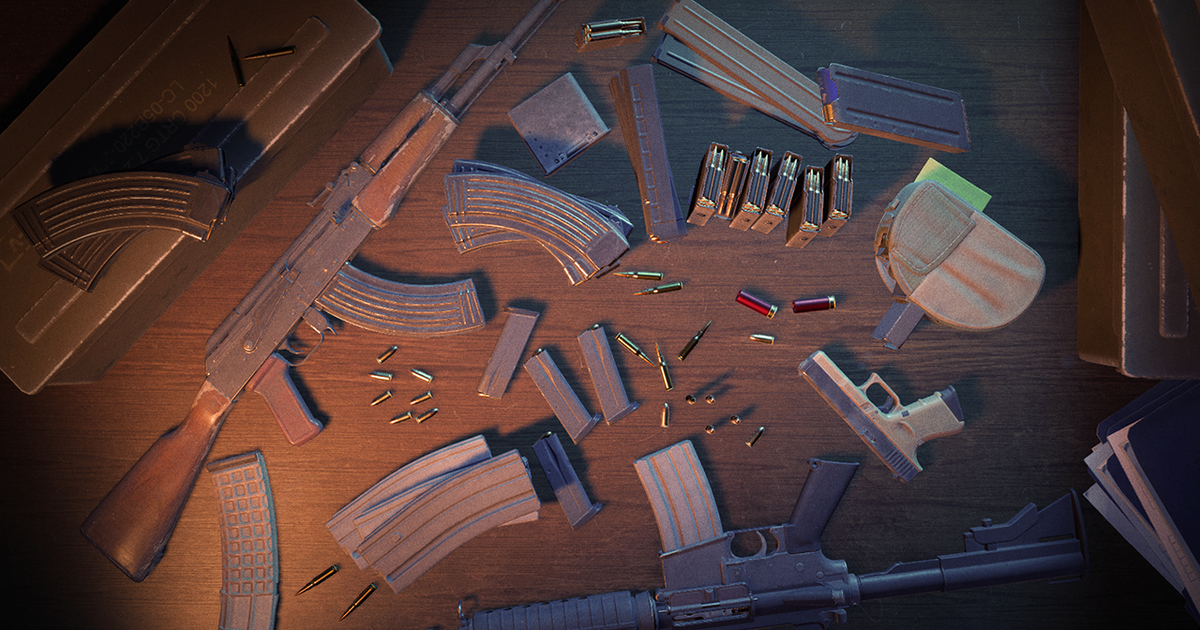
-
The "Clutch" Factor:
In "clutch" situations—where a single player is left against multiple opponents—ammo management becomes a life-or-death calculation. If a player wins a 1v1 duel but has only 8 bullets left in their M4A1-S, they must decide if the risk of reloading (and losing those 8 bullets) is worth the possibility of running dry during the next encounter. This adds a psychological layer to the game, as opponents may now keep track of how many times a player has reloaded to guess when they are low on resources. -
Economic Impact:
While ammunition itself remains free in terms of the in-game currency ($), the "cost" of a reload is now measured in utility. A player who is forced to drop a magazine with 15 bullets left is effectively wasting half of a magazine’s potential. In the "save" rounds or "eco" rounds, where teams have limited weaponry, this inefficiency can be the difference between winning a round with a stolen rifle or losing because of a dry click.
Community and Professional Reaction
The reaction from the Counter-Strike community has been sharply divided, reflecting the diverse ways in which the game is played. On social media platforms like X (formerly Twitter) and Reddit, players have engaged in heated debates over whether the change enhances the game’s depth or unnecessarily complicates a proven formula.
Webster, a prominent voice in the CS2 community, voiced support for the change, suggesting it brings back a necessary level of awareness. "So it becomes more like [Counter Strike] 1.6 where you should be aware of the ammo? That’s a W change," he noted, dismissing the frustrations of players who feel the game is becoming too punishing. This sentiment is shared by those who believe Counter-Strike 2 should prioritize high-skill ceilings and deliberate decision-making over mindless repetition.
Conversely, players like MissiaCS expressed confusion regarding the necessity of the update. "I’m just struggling to understand why this new ammo feature has been rolled out when there was no apparent need for it to exist in the game," she remarked. This perspective highlights a common critique of live-service games: the tendency for developers to fix systems that the player base does not perceive as "broken." Critics argue that the reload change might slow down the pace of the game too much, leading to more passive playstyles where players are afraid to engage for fear of wasting bullets.
Technical Execution and the Source 2 Engine
The implementation of this mechanic also serves as a showcase for the capabilities of Valve’s Source 2 engine. Unlike CS:GO, where discarded magazines were often simple 2D sprites or disappeared quickly, Counter-Strike 2 treats magazines as physical entities within the world. The "Guns, Guides, and Games" update enhances the visual and auditory feedback of these discarded magazines.
When a player reloads, the magazine now has distinct physics, bouncing off surfaces and making unique sounds based on the material it hits. There is also a visual distinction; a magazine dropped while still containing bullets may appear differently or behave with more "weight" than a completely empty one. This level of environmental detail is part of Valve’s broader effort to make the world of Counter-Strike 2 feel more reactive and immersive.
Timeline of Major Counter-Strike 2 Ammunition Changes
- September 2023: Counter-Strike 2 officially launches, replacing CS:GO and introducing the sub-tick server system.
- Early 2024: Valve begins minor adjustments to weapon spray patterns and recovery times to differentiate the feel from CS:GO.
- Mid 2024: The "Guns, Guides, and Games" update is released, introducing the magazine-discard mechanic and the significant Glock-18 ammo nerf.
- Present: The community remains in a period of adjustment, with professional teams reportedly altering their practice routines to account for magazine management.
Broader Implications for the Genre
Valve’s decision to implement such a fundamental change in a "sequel" that is effectively a live-service update to a decade-old game is a bold move. It signals that the developers are not afraid to alienate a portion of the player base in pursuit of a specific tactical vision. By increasing the "stakes" of basic actions like reloading, Valve is pushing Counter-Strike 2 further into the realm of "tactical" rather than "shooter."
As the dust settles, the long-term success of the "Guns, Guides, and Games" update will be measured by how it affects the flow of professional matches. If it leads to more tense, strategic encounters where every shot counts, it will likely be remembered as a masterstroke in game design. However, if it results in a "clunky" experience that frustrates the average player, Valve may find themselves forced to tune the numbers, perhaps increasing reserve counts or slowing the rate at which ammo is lost.
For now, players must adapt. The era of the "infinite pool" of ammunition is over, replaced by a world where every magazine is a precious resource. Whether you are a casual player in a matchmaking lobby or a professional on the main stage of a Major, the instruction is clear: keep an eye on your reserve supply, and think twice before you hit that reload key.