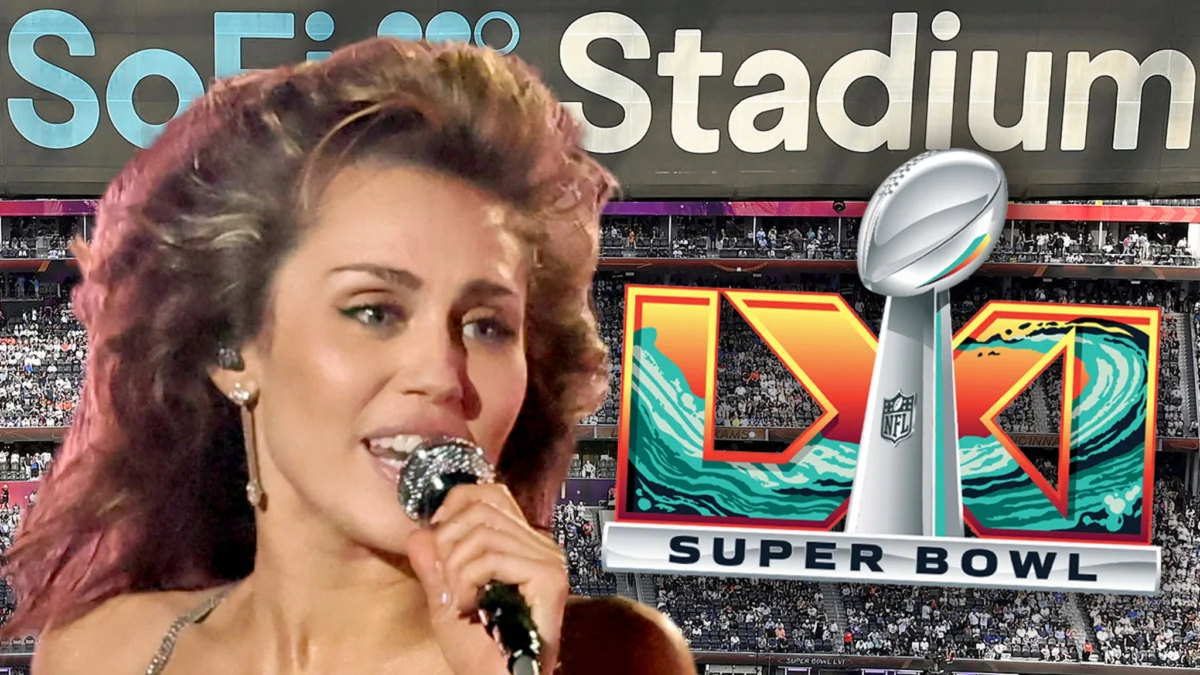
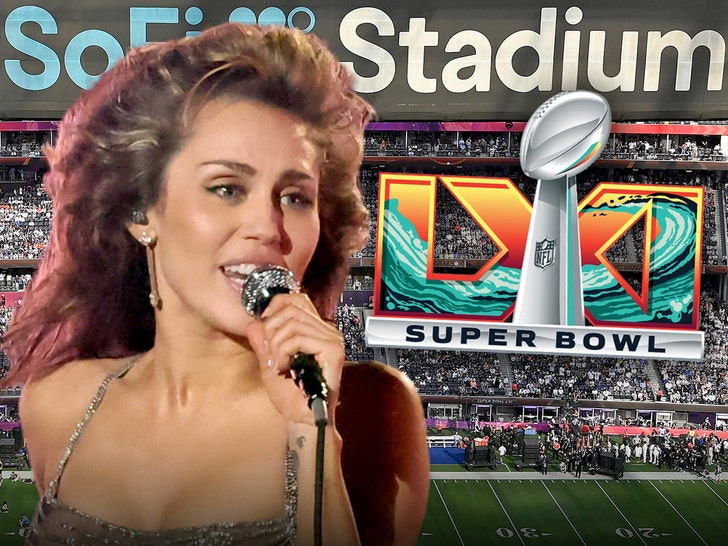
Global pop superstar Miley Cyrus has openly addressed the burgeoning speculation surrounding her potential headlining of the 2027 Super Bowl Halftime Show, acknowledging her status as a betting favorite while expressing a profound reluctance toward the immense pressure associated with the world’s most-watched annual musical performance. In a recent interview with Variety, Cyrus revealed that despite widespread desire for her to take the coveted stage, the proposition feels like navigating an intense "pressure cooker," a sentiment that suggests a deep contemplation of the event’s unparalleled scale and scrutiny. She articulated that the "unavoidable nerves" stemming from performing live before millions of viewers would be a significant mental hurdle, requiring an extraordinary degree of focus to "mentally block out" the overwhelming reality of the Super Bowl.
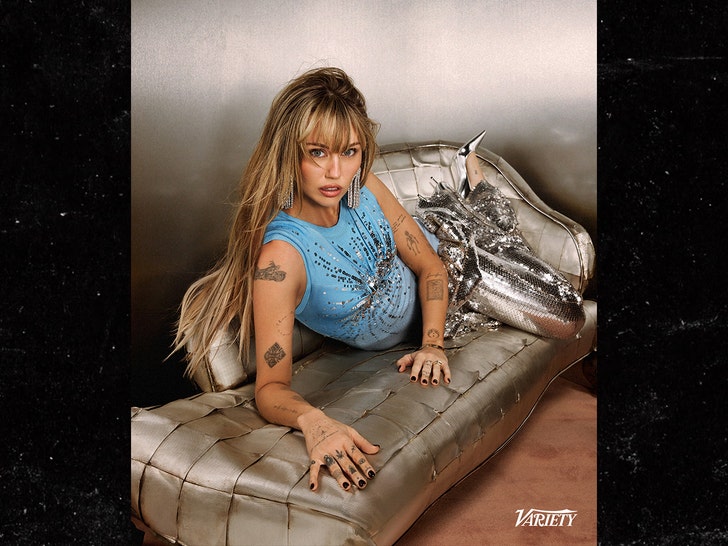
However, the "Flowers" singer also offered a tantalizing glimpse into how she would approach such an opportunity, should she ever decide to accept. Cyrus indicated a desire to "flip the script," transforming the traditionally high-octane, commercially driven spectacle into a more intimate, personal reflection of her extraordinary career. Her proposed concept revolves around a "Hannahversary vibe," a "full-circle moment" designed to celebrate every era of her diverse musical journey, presented strictly "on her terms." This vision aligns perfectly with her recent activities, including channeling her iconic Hannah Montana persona for the Variety cover story and teasing an upcoming 20th-anniversary special for the beloved Disney+ series, slated to drop on March 24. This unique proposition from an artist known for her authenticity and boundary-pushing performances has ignited further discussion about the future direction of the Super Bowl Halftime Show.
The Lure of the Global Stage
The Super Bowl Halftime Show is more than just a musical performance; it is a global cultural phenomenon, a meticulously choreographed spectacle that transcends the boundaries of sports and entertainment. Consistently drawing over 100 million viewers in the United States alone, and countless more worldwide, it represents an unparalleled platform for artists to showcase their talent, deliver a powerful message, or simply entertain on the grandest possible scale. The immense viewership translates into immediate and significant boosts in an artist’s streaming numbers, album sales, and overall public profile, often referred to as "the Super Bowl effect." For many artists, the opportunity to headline is considered a pinnacle career achievement, a testament to their enduring relevance and universal appeal.
Recent halftime shows have seen an impressive roster of music legends and contemporary icons, including Rihanna (2023), Usher (2024), and an unforgettable collaboration of Dr. Dre, Snoop Dogg, Eminem, Mary J. Blige, and Kendrick Lamar (2022). These performances are characterized by elaborate stage designs, intricate choreography, pyrotechnics, and often surprise guest appearances, all executed within a compressed 12-to-15-minute timeframe. The production value is staggering, reportedly costing millions of dollars, funded primarily by sponsors like Apple Music, with the artists themselves typically not receiving a direct performance fee, instead benefiting from the exposure.
A Legacy of Spectacle: The Super Bowl Halftime Show’s Evolution
The Super Bowl Halftime Show has undergone a remarkable transformation since its inception. In its early years, from the 1960s through the 1980s, the halftime entertainment primarily featured college marching bands, drill teams, and various local performance groups. While charming, these performances lacked the star power and global appeal that would later define the event.

The shift towards contemporary popular music began to gain momentum in the early 1990s. The watershed moment arrived in 1993 with Michael Jackson’s electrifying performance at Super Bowl XXVII. His dynamic stage presence, iconic choreography, and medley of hits captivated audiences, setting a new standard for what the halftime show could be. Jackson’s performance alone boosted the game’s ratings significantly, proving the immense draw of a superstar musical act.
Following Jackson’s groundbreaking show, the NFL increasingly sought out A-list talent. The 2000s saw performances from artists like U2, Paul McCartney, and Prince, each bringing their unique artistic vision to the colossal stage. The infamous "Nipplegate" incident involving Janet Jackson and Justin Timberlake in 2004 led to increased scrutiny and a period of booking "safer," often rock-oriented acts. However, by the 2010s, the show had fully embraced its identity as a pop culture spectacle, with artists like Beyoncé, Katy Perry, Lady Gaga, and Jennifer Lopez delivering some of the most memorable and visually stunning performances in Super Bowl history. These shows are not just concerts; they are carefully crafted narratives, often designed to reflect current cultural conversations or celebrate an artist’s legacy.
Miley Cyrus: From Child Star to Global Icon
Miley Cyrus’s journey in the entertainment industry is a compelling narrative of evolution, reinvention, and artistic resilience, making her an intriguing candidate for the Super Bowl stage. Born Destiny Hope Cyrus, she rose to global superstardom as the titular character in Disney Channel’s Hannah Montana from 2006 to 2011. The show was a cultural phenomenon, turning Cyrus into a beloved teen idol and a household name, synonymous with wholesome, family-friendly entertainment. The Hannah Montana franchise generated billions of dollars and cultivated a massive, dedicated fanbase that has largely followed her career trajectory.
As she transitioned from her child star persona, Cyrus embarked on a deliberate and often controversial path to establish her identity as a mature, independent artist. Her 2013 album, Bangerz, marked a seismic shift, showcasing a provocative new image and a genre-bending sound that blended pop, hip-hop, and EDM. Hits like "Wrecking Ball" and "We Can’t Stop" dominated charts and sparked intense public debate, solidifying her status as a global pop provocateur determined to shed her Disney past.
In subsequent years, Cyrus continued to evolve, demonstrating remarkable versatility across various musical styles. From the country-folk introspection of Younger Now (2017) to the rock-infused anthems of Plastic Hearts (2020), she has consistently experimented with her sound, showcasing her powerful, raspy vocals and songwriting prowess. Her latest album, Endless Summer Vacation (2023), featuring the record-breaking hit "Flowers," further cemented her status as a critically acclaimed and commercially successful artist. "Flowers" not only topped charts worldwide but also broke Spotify records for the most streams in a single week, earning her multiple Grammy Awards, including Record of the Year and Best Pop Solo Performance. This recent success, combined with her extensive catalog and undeniable stage presence, positions her as a highly relevant and commercially viable choice for an event of the Super Bowl’s magnitude.
The "Hannahversary" Vision: A Personal Take on a Public Spectacle
Cyrus’s suggestion of a "Hannahversary vibe" for a potential Super Bowl Halftime Show offers a uniquely personal and meta-commentary on her career. It implies a performance that would not shy away from her past but rather embrace it as an integral part of her present identity. This approach would allow her to celebrate the entirety of her musical journey, from the innocence of "Hannah Montana" to the rebellious anthems of "Bangerz," the soulful rock of "Plastic Hearts," and the empowering pop of "Endless Summer Vacation." Such a performance would resonate deeply with her multi-generational fanbase, many of whom grew up with her as Hannah and have witnessed her subsequent transformations.
The concept of a "full-circle moment" would likely involve a carefully curated setlist that chronologically or thematically traces her artistic evolution. Imagine a seamless transition from a snippet of "The Best of Both Worlds" or "Party in the U.S.A." to the raw emotion of "Wrecking Ball," the electrifying energy of "Midnight Sky," and the triumphant self-love anthem "Flowers." This narrative arc would not only be entertaining but also deeply meaningful, offering a powerful statement about identity, growth, and the reclamation of one’s own story.
This vision aligns with the recent cultural trend of artists re-engaging with their past work on their own terms, as seen with Taylor Swift’s "Eras Tour" or the renewed appreciation for artists’ back catalogs. For Cyrus, it represents an opportunity to take control of her narrative on the biggest possible stage, transforming a high-pressure commercial event into a personal artistic statement. The recent Variety cover, which saw her playfully don a blonde wig reminiscent of Hannah Montana, and the announcement of the 20th-anniversary special on Disney+, further illustrate her current comfort and willingness to revisit this foundational chapter of her career with a mature perspective.
Navigating the Pressure Cooker: Artistic Integrity vs. Mass Appeal
Cyrus’s candid admission about the "pressure cooker" environment of the Super Bowl Halftime Show highlights a fundamental tension many artists face: balancing artistic integrity with the demands of a mass-market, family-friendly event. The NFL and its sponsors aim for broad appeal, avoiding anything overly controversial or niche, while artists often desire to push boundaries and express their authentic selves.
Other performers have spoken about the unique challenges. Lady Gaga famously performed without any guest artists, choosing to make a powerful solo statement. Beyoncé used her 2016 performance to deliver a politically charged message with her song "Formation." Rihanna’s 2023 show, performed while pregnant, focused on her extensive catalog and subtle stagecraft. Each artist grapples with the limited timeframe, the immense technical demands, and the global scrutiny. The sheer logistics—transforming a football field into a concert venue in minutes and then back again—are mind-boggling, requiring military precision and thousands of crew members.
For Miley, known for her vibrant, often provocative stage presence and powerful vocals, the challenge would be to deliver a performance that is both authentically "Miley" and suitable for the Super Bowl’s diverse audience. Her "on her terms" stipulation suggests a firm stance on maintaining creative control, which could involve negotiations over song choices, costumes, and overall thematic elements. Given her history of challenging norms, ensuring that her unique artistic voice shines through while adhering to the event’s parameters would be a delicate balancing act. The "Hannahversary" concept, however, could be a clever way to bridge this gap, using nostalgia and personal narrative to appeal broadly while still offering an intimate glimpse into her journey.
The Betting Favorite: Why Miley Makes Sense (and Cents)
The fact that Miley Cyrus is considered a betting favorite for the 2027 Super Bowl Halftime Show is not surprising to industry observers. Her recent run of success, particularly with "Flowers," has elevated her profile to an all-time high, making her one of the most commercially viable and culturally relevant artists globally.
Several factors contribute to her strong candidacy:
- Mass Appeal and Generational Reach: From her Hannah Montana days to her current pop icon status, Cyrus appeals to multiple generations. Her fanbase includes millennials who grew up with her, Gen Z captivated by her recent hits, and even older audiences who appreciate her vocal talent and artistic evolution.
- Proven Live Performer: Miley is renowned for her powerful live vocals and dynamic stage presence. Her performances are known for their energy, charisma, and ability to command an audience, essential qualities for a show of this magnitude.
- Extensive Catalog of Hits: Across various genres, Cyrus boasts a deep catalog of instantly recognizable songs ("Party in the U.S.A.," "Wrecking Ball," "Malibu," "Midnight Sky," "Flowers") that would translate well to a Super Bowl medley.
- Cultural Relevance: She remains a constant fixture in pop culture, consistently generating headlines and engaging in public discourse, ensuring high public interest.
- Narrative Potential: Her career arc, from child star to independent artist, offers a compelling story that can be woven into a performance, making it more than just a series of songs. The "Hannahversary" concept directly taps into this.
From a financial perspective, booking an artist like Miley Cyrus makes considerable "cents" for the NFL and its sponsors. Her ability to drive engagement, generate social media buzz, and attract a massive viewership ensures maximum return on investment for an event that is as much a marketing platform as it is an entertainment spectacle.
Beyond the Stage: The Broader Implications
Should Miley Cyrus ultimately agree to headline the 2027 Super Bowl Halftime Show, her performance would carry broader implications for the event and for her own career. For the Super Bowl, it would mark a continuation of its tradition of showcasing artists who are both globally recognized and culturally significant, while potentially ushering in a more introspective, narrative-driven style of performance, as suggested by her "on her terms" and "Hannahversary" vision. It could inspire future performers to infuse more personal storytelling into their limited time on stage, moving beyond pure spectacle.
For Cyrus, accepting the challenge would solidify her status as a generational icon, capable of commanding the world’s biggest stage while staying true to her artistic identity. It would be a definitive statement of her journey from a manufactured pop persona to a revered and authentic artist. Conversely, her reluctance also highlights the immense pressure placed on artists in such high-stakes environments, potentially sparking further conversation about the mental toll and creative compromises inherent in such performances. Her desire to "flip the script" suggests a potential blueprint for future artists seeking to reclaim the narrative of their own Super Bowl moments, transforming a commercial behemoth into a deeply personal artistic expression. The music world, and indeed the entire entertainment industry, will be watching closely to see if Miley Cyrus ultimately decides that the reward of a full-circle "Hannahversary" on the world’s biggest stage outweighs the intense pressure of the Super Bowl "pressure cooker."