The National Football League (NFL) and Paramount Skydance have officially entered the preliminary stages of negotiations to renew their long-standing partnership, a move that signals a massive financial recalibration of the most valuable media rights in professional sports. According to sources familiar with the discussions, the two entities are currently navigating a significant price increase for the Sunday afternoon game package on CBS, with early figures suggesting a bid-ask spread midpoint that would represent a 50% to 60% premium over the current agreement. Under the existing contract, CBS pays an average of approximately $2.1 billion annually; a 50% increase would elevate that figure to more than $3 billion per year, setting a new benchmark for the industry.
The urgency of these negotiations is driven by a unique "change-of-control" provision within the NFL’s media contracts. Following Skydance Media’s acquisition of Paramount Global, the league gained the legal right to terminate its existing deal by 2027. Rather than exercising that exit, the league has opted to leverage the clause to secure a more lucrative, long-term commitment. This early renewal process effectively bypasses the standard timeline, as most other broadcast partners remain tied to an opt-out clause scheduled for the 2029-30 season.
The Financial Architecture of the Extension
The proposed deal is not merely a price adjustment but a structural overhaul of the current 11-year agreement, which was originally slated to run through the 2033-34 season. In exchange for the substantial revenue bump—which could see Paramount’s annual commitment rise by nearly $1 billion—the NFL has offered to eliminate its 2029-30 opt-out clause. For Paramount, this provides much-needed stability for its flagship network and its streaming platform, Paramount+, both of which rely heavily on NFL broadcasts to anchor their viewership and advertising revenue.
If finalized, CBS would begin paying the adjusted fee as early as the next season. This accelerated payment schedule comes at a pivotal time for Paramount’s balance sheet. Paramount Chief Financial Officer Dennis Cinelli recently informed investors that the company’s adjusted earnings before interest, taxes, depreciation, and amortization (EBITDA) for 2026 is projected at $3.6 billion. However, should the proposed merger with Warner Bros. Discovery (WBD) receive regulatory approval, the combined entity’s adjusted EBITDA is projected to skyrocket to $18 billion. This potential scale provides the financial runway necessary to absorb the soaring costs of NFL rights, which remain the only "must-have" content in an increasingly fragmented media environment.
The Skydance-Paramount Merger as a Catalyst
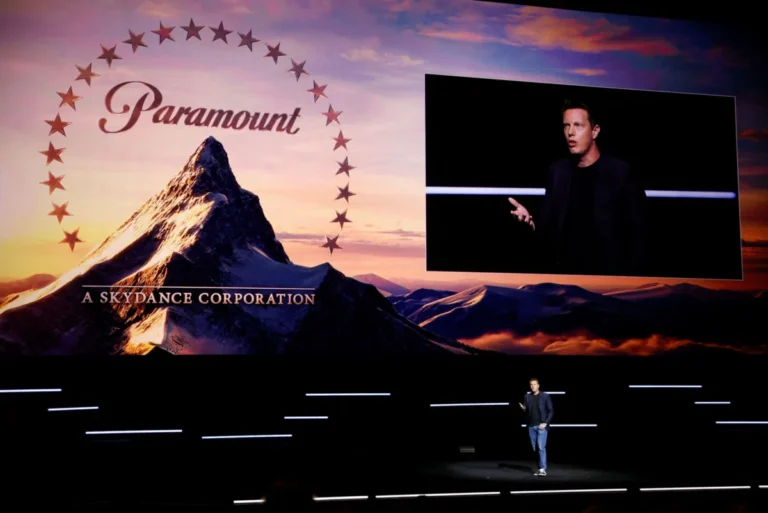
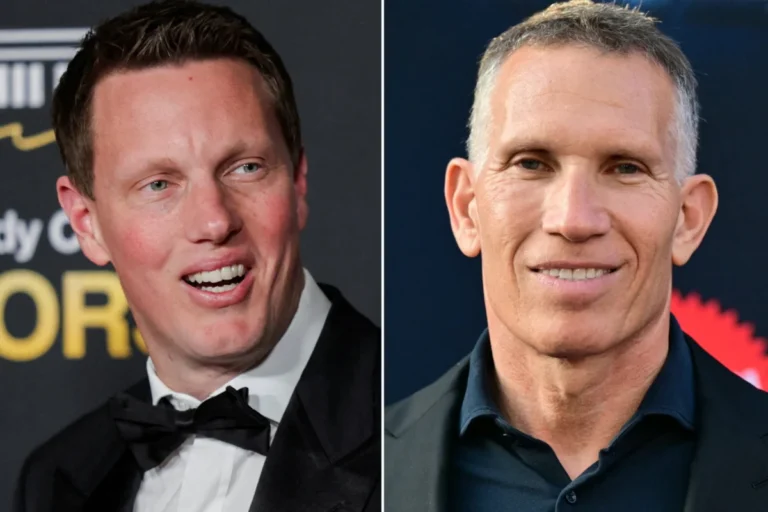
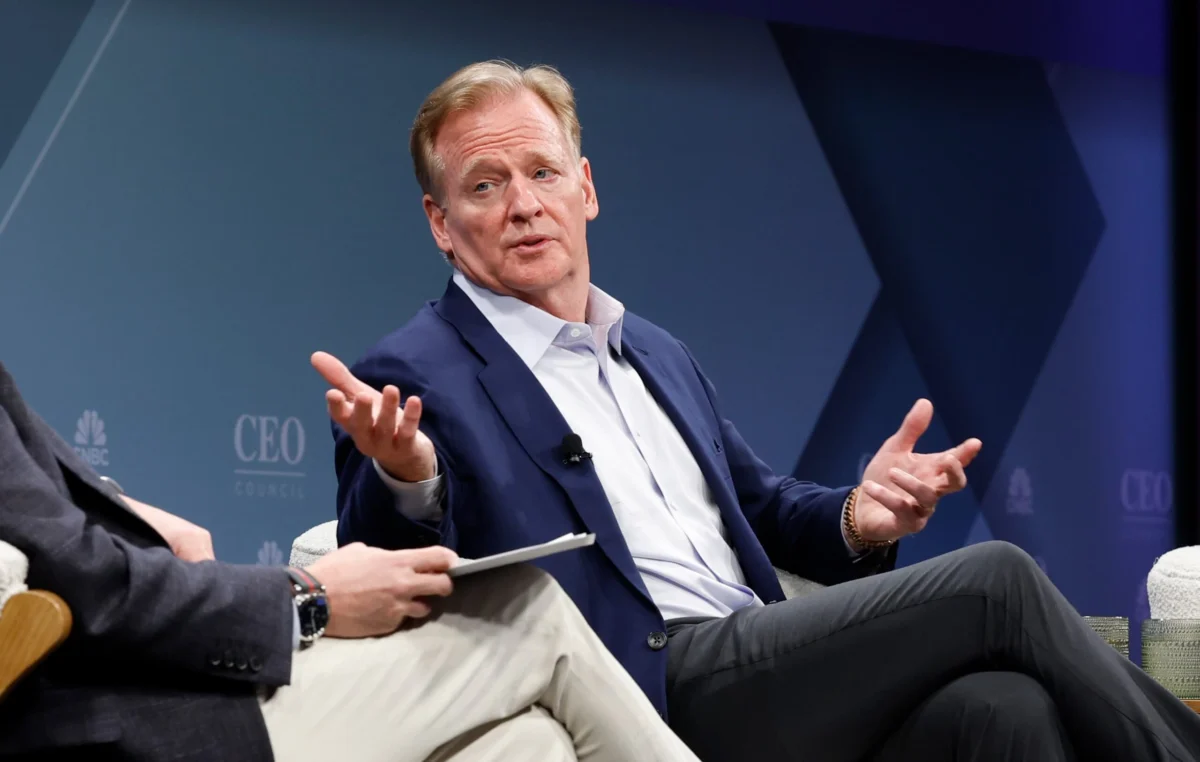
The entry of David Ellison’s Skydance Media into the Paramount fold has fundamentally altered the relationship between the network and the league. Ellison, now the CEO of the merged Paramount Skydance entity, has been vocal about the necessity of maintaining the NFL partnership. Speaking at the CNBC CEO Council in Arizona in May 2025, Ellison described the NFL as one of the company’s "most important partners," following a historic season that saw record-breaking viewership numbers.
The NFL’s decision to prioritize CBS in these negotiations is a strategic one. Because the Skydance acquisition triggered the change-of-control provision, the league had a narrow window to either walk away or lock in a higher rate. By choosing the latter, the NFL is setting a "price floor" for its other partners. The league’s strategy has historically been to use one renewal to create a domino effect, pressuring other networks to match the increased valuation of live sports content.
Broader Network Implications: Fox, NBC, and Disney
The CBS negotiations are the first of many expected hurdles for the NFL’s media partners. Fox, which currently pays roughly $2.2 billion for its Sunday afternoon package, is widely expected to be the next network at the bargaining table. The logic behind this sequencing is that the Fox and CBS packages are structurally similar, focusing on the Sunday afternoon window. Fox CEO Lachlan Murdoch has acknowledged the "mutually beneficial" nature of the relationship but noted that material conversations regarding a renewal have yet to begin.
However, the path forward for NBCUniversal (Comcast) and Disney (ESPN/ABC) appears more complex. Executives at these networks have expressed private concerns regarding the relative value of their current packages. While NBC’s "Sunday Night Football" has long been the gold standard of weekly sports broadcasting, the NFL’s recent decision to bolster Amazon Prime Video’s "Thursday Night Football" with higher-quality matchups has led to internal questions about whether the premium for Sunday and Monday night games remains justified.
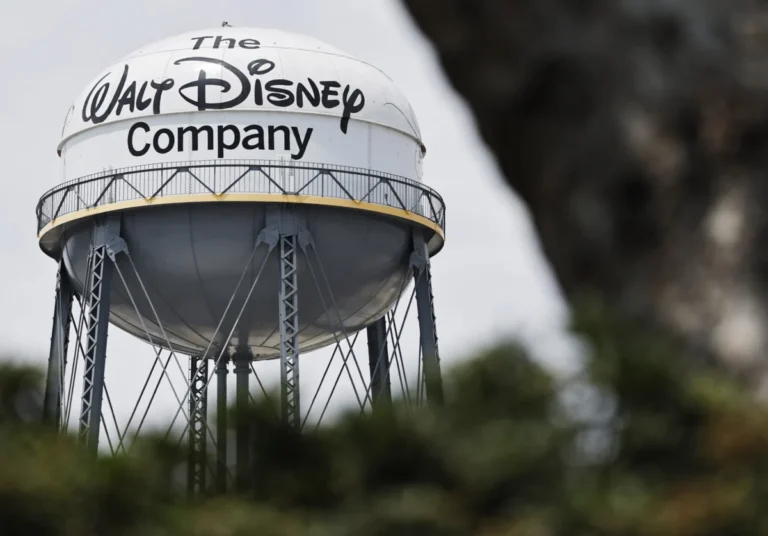
Disney, in particular, faces a daunting financial prospect. ESPN currently pays $2.7 billion annually for "Monday Night Football." A 50% increase, mirroring the CBS proposal, would push that figure above $4 billion per year. Sources suggest that Disney leadership may balk at such a steep increase, especially as the company continues to navigate the transition of ESPN from a cable-bundle powerhouse to a standalone direct-to-consumer service. Unlike CBS and Fox, Disney’s opt-out clause does not trigger until 2031, giving the company slightly more breathing room to evaluate the market.
The Amazon Effect and Content Dilution
The rise of Amazon Prime Video as a major NFL broadcaster has fundamentally shifted the leverage in rights negotiations. By providing Amazon with an exclusive "Black Friday" game and improving the caliber of the Thursday night slate, the NFL has demonstrated its willingness to prioritize streaming growth over traditional broadcast exclusivity. This shift has created a friction point with legacy broadcasters who argue that the "dilution" of the game inventory should be reflected in the pricing of the rights.
Despite these concerns, the NFL remains the only property capable of delivering mass audiences in the tens of millions. The 2026 Super Bowl at Levi’s Stadium in Santa Clara served as a potent reminder of this reality, drawing massive engagement across both linear and digital platforms. For networks like CBS and NBC, the NFL is not just a sports property; it is a marketing vehicle for their entire entertainment slates and a primary driver of subscriber acquisition for their respective streaming services.
Downstream Impact on Other Professional Leagues
The NFL’s aggressive pursuit of higher rights fees has significant "downstream" implications for other major sports leagues. The National Hockey League (NHL), for instance, currently holds TV deals with Disney and Warner Bros. Discovery that are set to expire after the 2028 season. NHL Commissioner Gary Bettman has reportedly sought to initiate renewal talks early to avoid being caught in the wake of a massive NFL-driven market correction. However, analysts suggest that the NHL may be forced to wait until the Paramount-WBD merger is finalized before a clear picture of available media spend emerges.
Other media executives are already preparing for a "rebalanced" landscape. Fox’s Lachlan Murdoch recently indicated that the company might have to adjust its broader sports portfolio to accommodate the rising cost of the NFL. This sentiment was echoed by Versant (parent company of NBCUniversal and CNBC) CEO Mark Lazarus, who stated he is "prepared for the sports landscape to be shifting." Lazarus suggested that as the "Big Four" networks consolidate their spending around the NFL, other properties like Major League Baseball (MLB) or the NHL might find new homes on cable networks or secondary streaming tiers as networks look for more cost-effective content to fill their schedules.
Strategic Analysis: The Last Bastion of Linear Television
The current negotiations between the NFL and Paramount Skydance underscore a fundamental truth of the modern media economy: live sports, and the NFL in particular, are the last remaining glue holding the traditional television model together. As scripted entertainment continues to migrate to on-demand streaming environments, the "appointment viewing" provided by the NFL is the only reliable way for advertisers to reach a mass audience simultaneously.
The removal of the 2029-30 opt-out clause is perhaps the most telling aspect of the CBS talks. It suggests that despite the high cost, Paramount views the NFL as an essential, long-term asset that must be secured at any price to ensure the company’s survival through the next decade of digital transformation. For the NFL, the strategy is clear: capitalize on the consolidation of the media industry (such as the Skydance-Paramount-WBD deals) to extract maximum value while the demand for live content is at its absolute peak.
As the negotiations proceed, the industry will be watching closely to see if a 50% to 60% increase becomes the new standard for sports rights. If CBS signs at the $3 billion mark, it will likely trigger a series of similar demands across the league’s entire media portfolio, potentially pushing the NFL’s total annual media revenue past the $15 billion threshold by the end of the decade. This would further cement the league’s position as the dominant force in American media, leaving all other sports and entertainment entities to fight for the remaining share of the broadcast and streaming budget.