

The boundaries separating the protagonist from the antagonist have always remained deliberately permeable within the unsettling universe crafted by legendary manga artist Junji Ito. "It definitely makes you wonder truly who is the real monster in the situation," observes director Yūta Shimotsu, summarizing a thematic undercurrent that defines his contributions to the live-action Japanese horror anthology series Strange: Junji Ito’s Tales for Sleepless Nights. Initially broadcast on TV Tokyo over the summer months, the twelve-episode first season has officially migrated to American shores through HBO Max, introducing US audiences to a fresh wave of visceral surrealism and psychological unease.
The horror master’s short-form works, long celebrated for generating existential dread rather than cheap cinematic jolts, have undergone numerous adaptations across media formats. Yet, the current live-action treatment helmed by directors like Shimotsu attempts to replicate the precise architectural stillness and creeping psychological pressure that first captivated readers of Monthly Halloween in the late 1980s. Following regional rollouts that included foundational segments like "Lovesickness (Part 1 of 3)" and "The Bully"—the latter of which previously received an animated adaptation for Netflix’s Junji Ito Maniac—the series gained significant domestic momentum during its high-profile presentation at New York Comic Con.
The Premiere of "Face Thief" and the Critique of Social Conformity
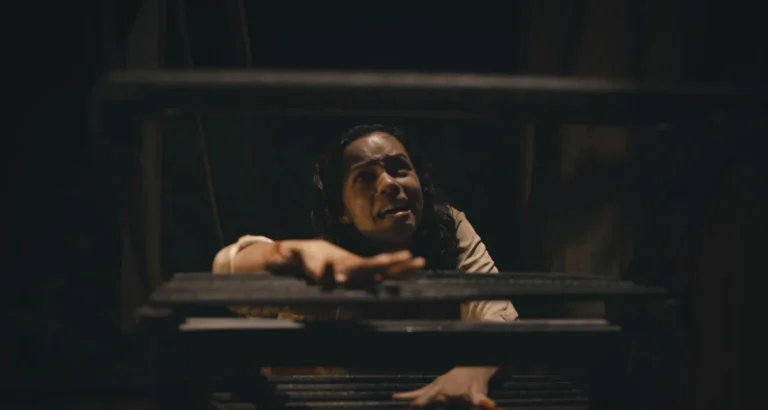
At the heart of the New York Comic Con proceedings was the US premiere of "Face Thief," an episode adapted directly from Ito’s 1987 short story "The Face Burglar." The narrative serves as an eerie exploration of adolescent alienation, following a newcomer to a Japanese secondary school named Machida, portrayed by Nanami Yamazaki. Machida quickly finds herself cornered by an uncomfortably clingy classmate named Kamei, played by Anna Hoshino. The tension escalates after Machida encounters another student who bears an identical facial structure yet denies any familial relation to Kamei, ultimately exposing the changeling’s sinister modus operandi: she befriends vulnerable, attractive peers before systematically stealing their physical identities.
Rather than relying strictly on monstrous transformations, Shimotsu utilizes the premise as a razor-sharp commentary on the suffocating demands of homogeneity within contemporary Japanese society. During a post-screening panel discussion, the director elaborated on the cultural anxieties woven into the narrative fabric. "We have social pressure that we are supposed to not to be too different from others," Shimotsu told the convention audience, emphasizing that traditional expressions of individuality frequently encounter institutional and social friction.
By allowing Kamei’s facial features to physically shift and warp during intimate conversations—and briefly employing grotesque body horror, such as growing a third eyeball on her cheek to intimidate school bullies—the adaptation builds a complicated dynamic between the victim and the aggressor. Although Shimotsu implemented creative liberties by altering the narrative’s conclusion to distinguish his live-action vision from earlier iterations, including a 2000 Japanese television movie, the production deliberately preserves the slow-burn pacing characteristic of Ito’s formative shōjo horror output.
Chronological Roots: From 1980s Shōjo Magazines to Modern Streaming Platforms
The historical lineage of Strange: Junji Ito’s Tales for Sleepless Nights traces back to the golden era of Japanese horror manga publications. "The Face Burglar" originally debuted in 1987 within the pages of Monthly Halloween, the same landmark year that introduced readers to Tomie, the immortal femme fatale who launched Ito’s professional career. The stylistic DNA of these early works was heavily nurtured by the magazine’s specialized offshoot, Nemuki, whose alternative title translates directly to "Strange Stories of Sleepless Nights"—the explicit inspiration for the current television omnibus.
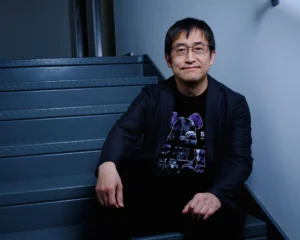
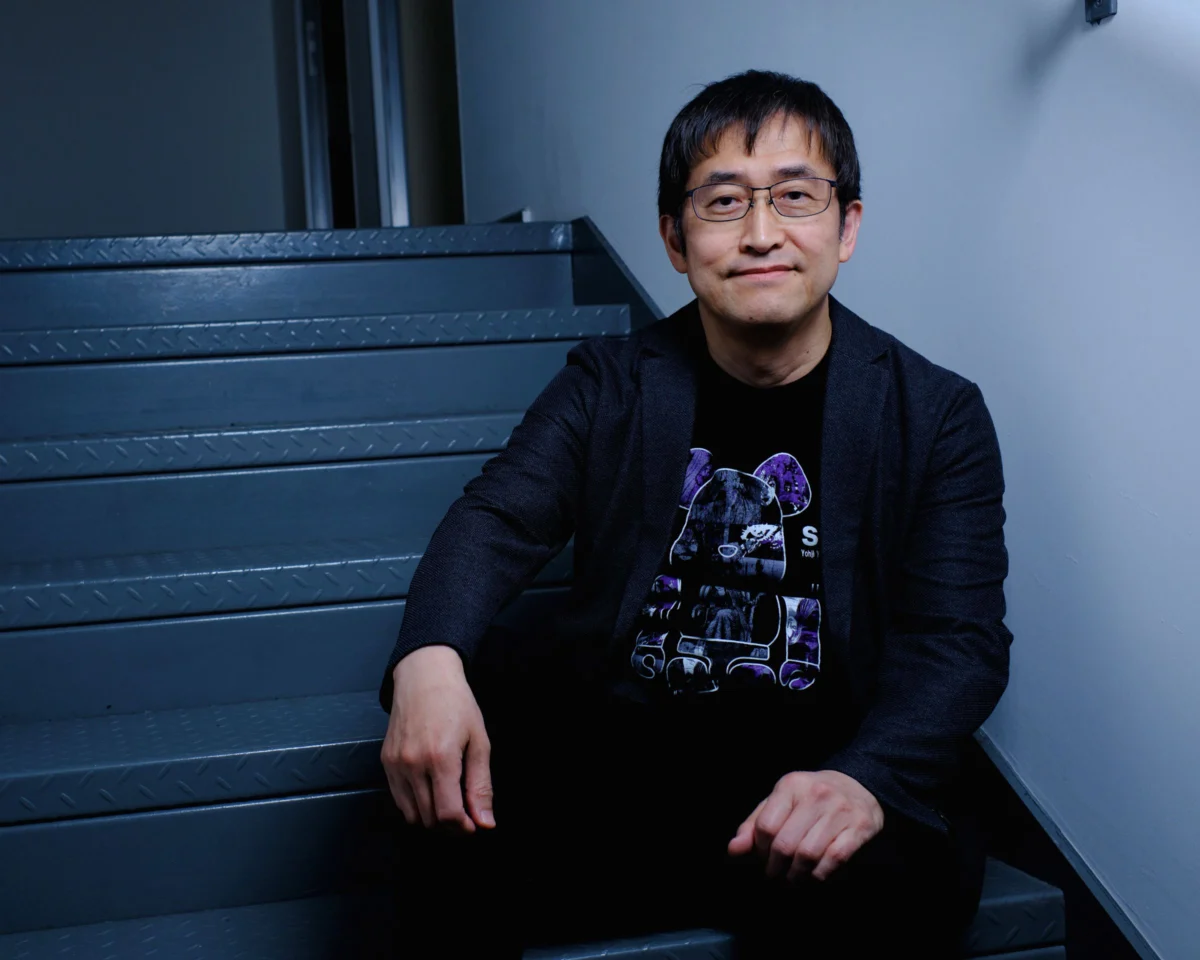
Junji Ito, now 63 years old and widely recognized as a titan of international horror literature, reflected on the genesis of the source material during a recorded video message screened for fans at New York Comic Con. Recalling the period in which he conceived "Face Burglar" following a succession of rejected publishing pitches, the author explained that the concept did not originate from supernatural folklore or traditional ghost tropes. Instead, he designed the narrative around a distinct biological condition inspired by the natural camouflage mechanisms of chameleons.
Ito expressed enthusiasm for the new television adaptation, praising the collaborative efforts of an emerging generation of actors and directors. Rather than resorting to modern jump scares, the author noted that the anthology successfully cultivates a sustained, dream-like atmosphere tailored specifically for horror enthusiasts who appreciate psychological decay over immediate visceral shocks.
Directorial Vision, Aesthetic Choices, and Stylistic Fidelity
Achieving the distinct visual signature of Junji Ito in a live-action medium required strict adherence to deliberate framing and pacing. Director Yūta Shimotsu—whose previous credits include Best Wishes to All and Shudder’s New Group—explained that capturing the essence of the source material relies heavily on maintaining physical stillness among performers and utilizing static camerawork that intentionally mimics the structured panels of a comic book.
Looking toward the future of the anthology, Shimotsu revealed ambitions to elevate this stylistic fidelity even further. During discussions with fans at the convention, the filmmaker announced plans to shoot at least one episode of a potential second season entirely in black-and-white, paying direct homage to Ito’s preferred mode of artistic execution. Such a creative pivot would bridge the gap between traditional print media and live-action cinematic presentation, offering a stark visual contrast to standard television production aesthetics.
Furthermore, when queried by an audience member regarding which of Ito’s massive library of works he would prefer to adapt next, Shimotsu elicited widespread applause by naming Uzumaki. The groundbreaking horror manga, centered on a small town cursed by a relentless spiral obsession, has experienced a tumultuous history of screen adaptations. Most recently, Adult Swim premiered a highly anticipated four-part anime adaptation that suffered from a notoriously fractured production pipeline. Quality discrepancies mounted steeply following the premiere episode, culminating in a fourth and final installment that notably lacked a credited director. Industry analysts have suggested that a meticulously managed live-action interpretation under Shimotsu’s distinct aesthetic direction could provide a compelling alternative for fans dissatisfied with the technical shortcomings of the recent animated venture.
Broader Industry Implications and Future Horizons
The successful integration of Strange: Junji Ito’s Tales for Sleepless Nights into major streaming libraries like HBO Max highlights a broader, ongoing cultural shift in global entertainment consumption. Japanese live-action horror, historically relegated to niche art-house circuits or physical media imports, is increasingly securing mainstream platform distribution. This cross-cultural accessibility allows intricate socio-cultural commentaries—such as Shimotsu’s critique of Japanese peer pressure and conformity—to resonate with international audiences navigating their own distinct social anxieties.
As the boundaries between regional programming and global streaming catalogues continue to dissolve, creators operating within the J-horror space are finding new pathways to international recognition. Shimotsu himself confirmed that his ambitions extend beyond domestic television markets, signaling a clear trajectory toward Western co-productions. "I would love to keep creating very bizarre, unique aesthetics like Mr. Ito’s work. That’s my goal," the director stated as he concluded his convention appearances. With ongoing development on an upcoming Hollywood project, the filmmaker’s distinctive brand of psychological unease appears poised to infiltrate mainstream Western cinema, ensuring that Junji Ito’s legacy of beautiful, haunting nightmares will continue to expand across new geographical and artistic frontiers.