


The gaming landscape for CD Projekt Red’s seminal title, The Witcher 3: Wild Hunt, has undergone significant volatility following the release of its long-awaited "Next-Gen" or Remastered update. In a swift response to ongoing user feedback regarding the technical state of the PC version, the developers have rolled out Hotfix 5.00c. This update serves as the second major corrective measure in less than 48 hours, specifically targeting visual fidelity and audio performance issues that emerged following the comprehensive overhaul of the 2015 action-role-playing game.
Addressing the Velen Lighting Discrepancies
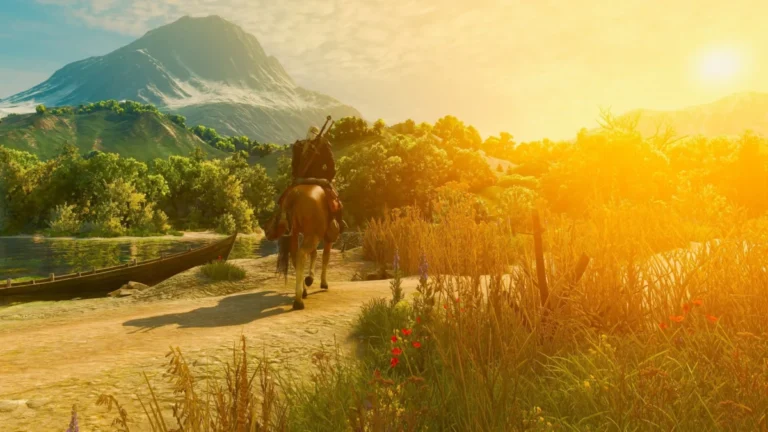
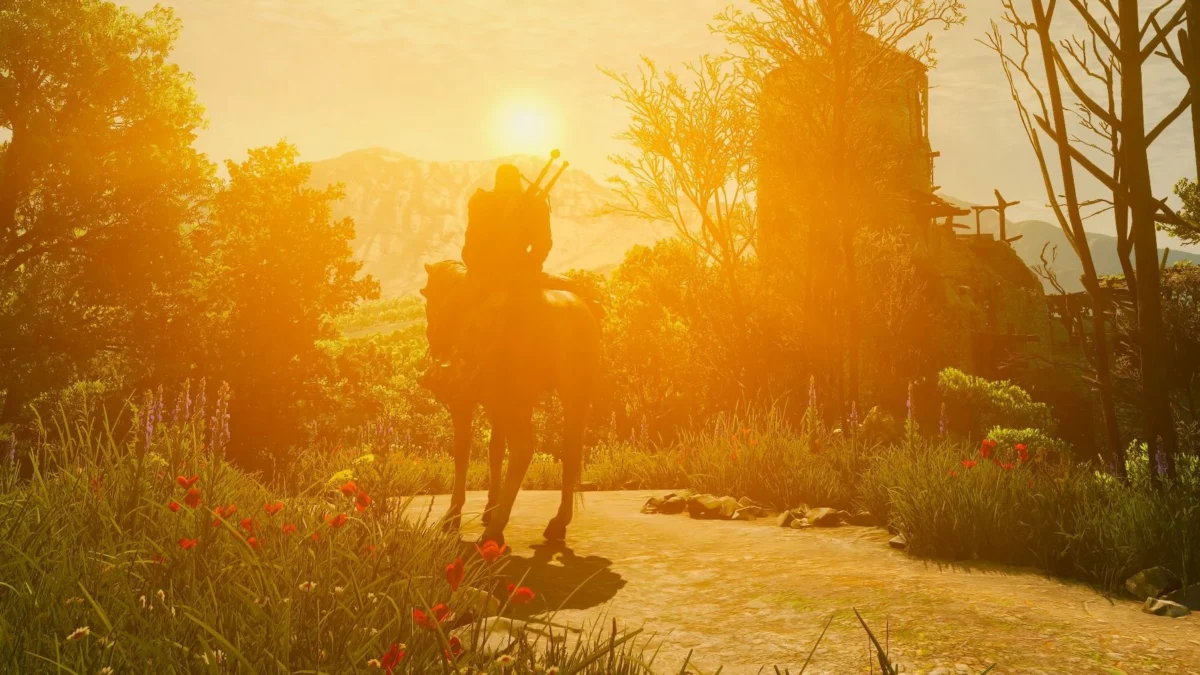
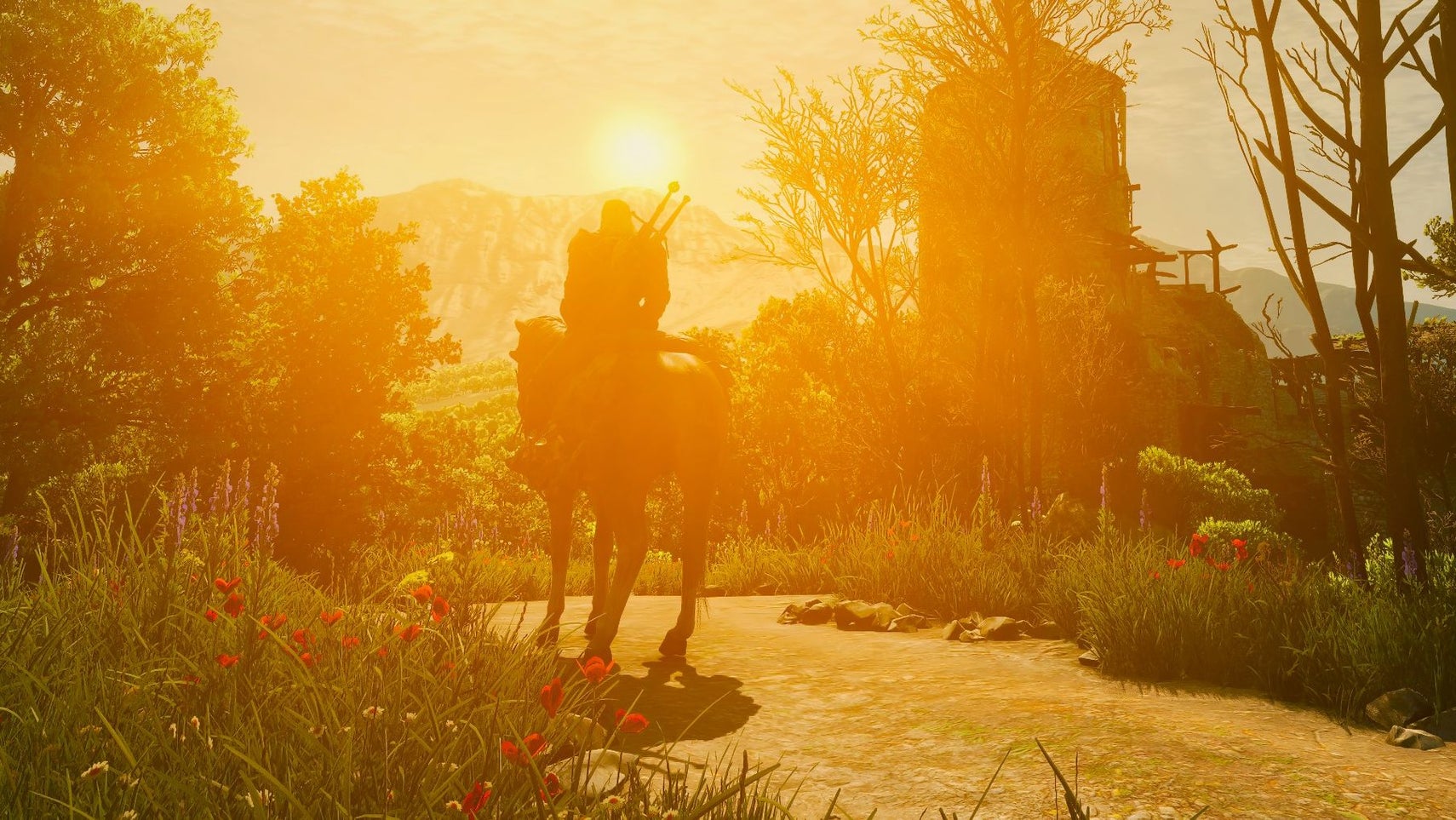
The primary focus of Hotfix 5.00c is the refinement of the game’s lighting engine, which has been a point of contention for the PC player base since the launch of the Remastered edition earlier this week. Reports from the community highlighted that the new lighting model, while impressive in its implementation of ray-traced global illumination, produced inconsistent results in the Velen region—one of the game’s largest and most densely populated maps.
According to the official patch notes, the hotfix introduces specific adjustments to bloom intensity, vegetation lighting, and saturation levels. Furthermore, the development team has fine-tuned the path tracing lighting parameters. Path tracing, a computationally expensive technique that simulates the behavior of light with high physical accuracy, was identified as the culprit behind several visual anomalies where lighting appeared either overly washed out or unnaturally intense when interacting with the game’s foliage and ambient environments. By adjusting these variables, CD Projekt Red aims to restore the intended atmospheric aesthetic that defines the dark fantasy world of The Witcher.
Correcting Persistent Audio Bugs
Beyond visual adjustments, the update resolves a recurring audio bug that plagued players during navigation of the game’s interface. Users reported that voiceover volume levels were being significantly dampened—often becoming nearly inaudible—after exiting the pause or inventory menus. This bug disrupted the immersion, as critical narrative dialogue would frequently occur immediately following menu interactions. Hotfix 5.00c stabilizes these audio levels, ensuring that the volume normalization functions correctly regardless of the frequency with which a player accesses the game’s secondary screens.
A Chronology of the Remastered Rollout
The release of this hotfix follows a rapid-fire sequence of events that began with the launch of the Witcher 3 Remastered update. The update was designed to modernize the title for current-generation hardware, including the PlayStation 5, Xbox Series X/S, and high-end PCs. Key features included the integration of ray tracing, improved textures, a new "over-the-shoulder" camera angle, and refined combat animations.
The timeline of the post-launch support is as follows:
- December 14: The comprehensive "Next-Gen" update is deployed worldwide across all platforms.
- December 15: Players report varying degrees of performance degradation on PC, particularly regarding frame rates and lighting anomalies.
- December 16: CD Projekt Red releases an initial hotfix aimed primarily at console stability, focusing on general lighting and localized performance tweaks.
- December 17: Hotfix 5.00c is deployed for PC, addressing specific issues with Velen’s lighting environment and the intermittent audio-ducking bug.
Contextualizing the Technical Challenges
The Witcher 3: Wild Hunt, originally released in 2015, remains one of the most decorated games in history, having sold over 40 million copies across all platforms. Bringing a game of this technical complexity to modern hardware required more than a simple resolution bump; it necessitated a fundamental rewrite of many underlying systems, including the integration of DirectX 12, AMD FSR 2.1, and NVIDIA DLSS 3 support.
The complexity of these upgrades is the primary driver behind the current technical friction. When CD Projekt Red announced the update, they promised a "generous" overhaul that would be provided free of charge to existing owners. However, the sheer volume of changes—which also included a reworked skill tree, altered enemy behaviors, and new quest lines—created a massive surface area for potential software regressions. The transition to a new rendering pipeline has proven to be the most significant hurdle, as the game’s legacy lighting assets were never intended to interact with real-time path tracing or dynamic ray-traced reflections.
Analysis of Developer Strategy and Community Response
The industry-standard approach to large-scale remasters often involves a tiered release strategy, but CD Projekt Red’s decision to deliver the update simultaneously across all platforms has placed immense pressure on their quality assurance and support teams. From a professional standpoint, the decision to push two hotfixes within 48 hours demonstrates a "live-service" approach to what is fundamentally a single-player, narrative-driven experience.
Community reaction has been polarized. While there is broad appreciation for the graphical improvements—particularly the enhanced textures and the new photo mode—the technical hurdles have overshadowed the launch for a segment of the PC audience. Data from Steam’s performance monitoring tools indicated that users with high-end hardware (specifically those using RTX 30 and 40 series cards) were experiencing lower-than-expected frame rates when ray tracing was enabled. While these performance issues were not explicitly addressed in the 5.00c hotfix, the focus on lighting consistency is seen as a necessary precursor to further optimization patches.
Broader Implications for CD Projekt Red
This incident serves as a significant case study in the challenges of modernizing legacy software. For CD Projekt Red, the stakes are high; having navigated the turbulent release of Cyberpunk 2077 in 2020, the studio is under immense scrutiny regarding the technical quality of its products. The rapid turnaround on these patches suggests a shift in corporate culture toward greater transparency and immediate response to player feedback.
The "Next-Gen" update is, by all accounts, a massive undertaking that serves to extend the commercial lifecycle of The Witcher 3 for another several years. By prioritizing fixes for lighting—the most visible aspect of the game—the developers are attempting to protect the long-term reputation of the title. If the studio can stabilize the PC performance in the coming weeks, the Remastered edition will likely be viewed as a benchmark for how developers should support aging software.
Future Outlook
As of now, the development team has not provided a specific roadmap for further updates, though it is widely anticipated that additional patches will focus on general performance optimization and broader hardware compatibility. Players are advised to keep their game clients updated through platforms like GOG, Steam, and the Epic Games Store, as the frequency of these hotfixes remains high.
For the gaming community, the lesson remains consistent: even with the most thorough preparation, the integration of cutting-edge technology into legacy engines is an unpredictable endeavor. As CD Projekt Red continues to monitor player data and feedback loops, the immediate focus remains on ensuring that the visual fidelity of the Northern Kingdoms meets the high standards that the franchise has established over the last decade. The swift deployment of Hotfix 5.00c is a definitive signal that the studio is committed to refining the experience, ensuring that the legacy of Geralt of Rivia remains preserved in the best possible light—literally and figuratively.