



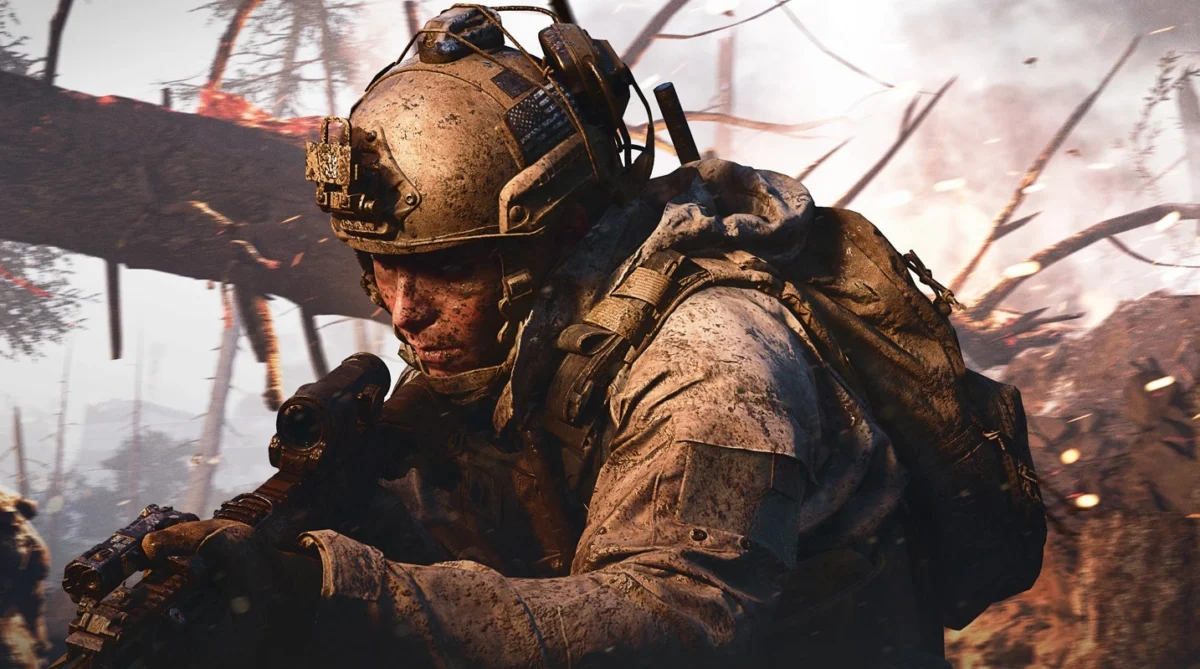
With the upcoming launch of Call of Duty: Modern Warfare 4 on October 23, Activision and developer Infinity Ward have announced a significant quality-of-life update for the franchise’s flagship battle royale, Warzone. Starting with the rollout of the game’s inaugural season, players will gain the ability to toggle off non-Modern Warfare 4 character skins, effectively restricting the visual diversity of their lobbies to match the "grounded" and "authentic" military aesthetic promised by the latest entry in the series.
A Response to Years of Visual Clutter
Since its inception in 2020, Call of Duty: Warzone has evolved from a standalone battle royale expansion into a massive, centralized hub for the entire franchise. As the platform integrated annual releases—ranging from the Black Ops series to Vanguard and subsequent Modern Warfare sequels—it inherited an expansive library of character models, weapon blueprints, and cosmetic bundles.
While this integration allowed players to carry over their progression, it created an increasingly fractured visual environment. The inclusion of licensed collaborations, such as characters from "The Boys," "Beavis and Butt-Head," and other pop-culture entities, led to a aesthetic clash that many long-time players argued undermined the series’ original tone. For years, the community has lobbied for a "disable" function, citing concerns that high-visibility, neon-colored, or immersion-breaking skins provided an unfair advantage or simply ruined the military-sim experience that many fans associate with the Modern Warfare sub-brand.
Chronology of the Warzone Cosmetic Shift
The journey toward this toggle feature reflects the broader transformation of the Call of Duty live-service model:
- March 2020: Call of Duty: Warzone launches, initially tethered to the aesthetic of Modern Warfare (2019).
- December 2020: The integration of Black Ops Cold War marks the first major shift in visual tone, introducing more vibrant, arcade-like cosmetic options.
- 2021–2023: The rapid succession of integrations leads to a "skin bloat" crisis, where the sheer volume of disparate character models makes target identification difficult and aesthetic cohesion impossible.
- September 2026: Infinity Ward officially confirms the "Modern Warfare 4 Chapter" filter, addressing the community’s long-standing request for visual control.
- October 2026: Modern Warfare 4 is scheduled to launch on PC, PS5, Xbox Series X/S, and the Nintendo Switch 2, with the skin filter debuting in the subsequent seasonal update.
Technical Implementation and Scope
According to the official announcement, the filter is designed as a client-side utility. This means the change is purely visual for the individual player who activates the setting. If a player chooses to toggle the filter on, they will see generic or standard Modern Warfare 4 operators in place of the diverse, cross-franchise skins used by opponents and teammates.
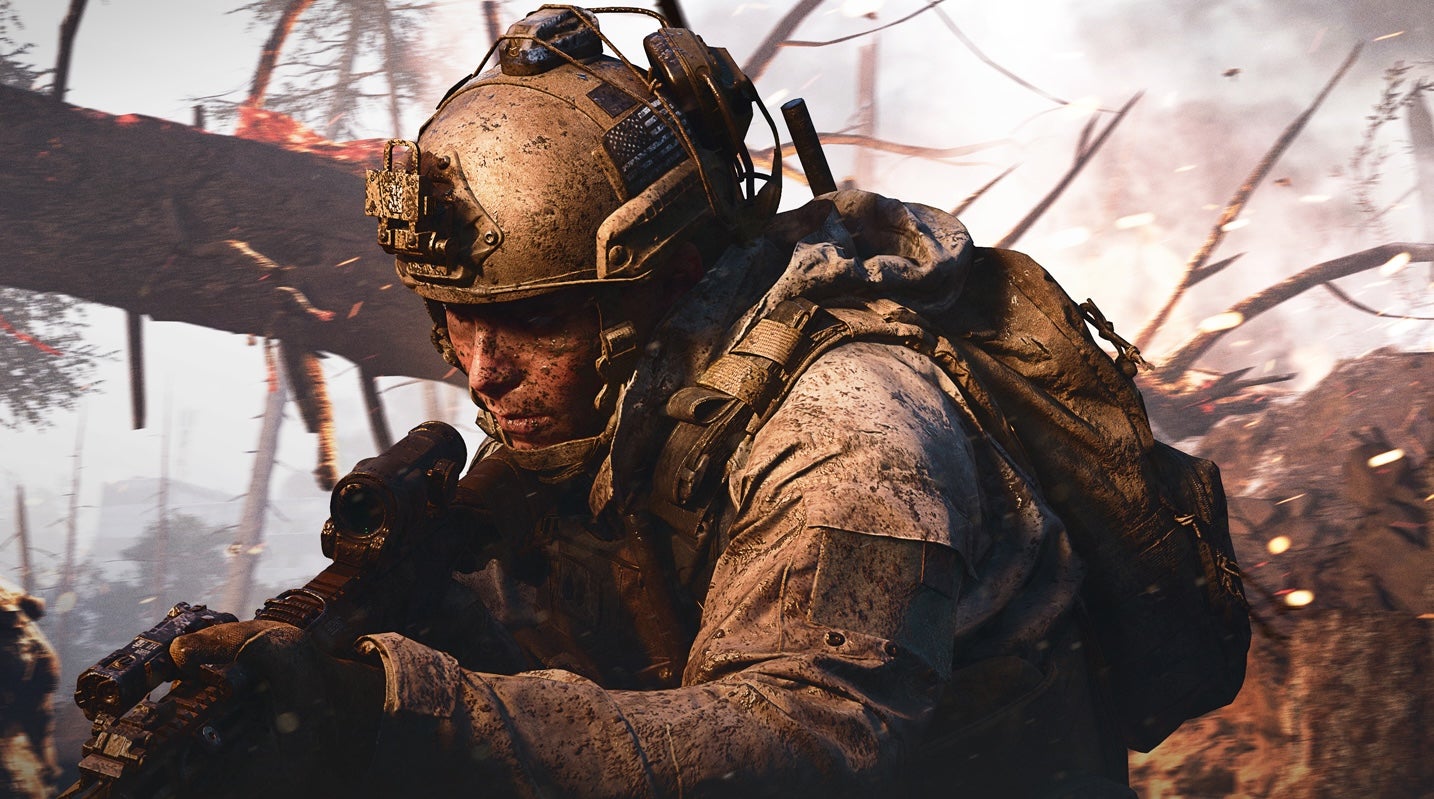
Critically, the feature does not impact the experience of the player wearing the skin. If a user purchases a premium, high-visibility skin, they will still appear as that character to everyone else in the match who has not enabled the filter. This ensures that the monetization model—which relies heavily on the "prestige" and visibility of premium cosmetics—remains unaffected.
Furthermore, the filter is not "smart." It does not categorize skins based on their visual profile or "tactical realism." Instead, it is a binary system that isolates the Modern Warfare 4 ecosystem. Consequently, players who enable the filter will simply see a homogenized version of the match, regardless of how "realistic" or "wacky" the original skin might have been.
Implications for the Franchise Ecosystem
The decision to implement this feature represents a delicate balancing act for Activision. On one hand, the company relies on collaborations and over-the-top cosmetics to drive revenue through the in-game shop. On the other, the growing sentiment that the game had lost its identity posed a risk to player retention among the "hardcore" military-shooter demographic.
Industry analysts note that this move suggests a shift in how Activision handles its live-service content. By allowing players to "opt-out" of seeing specific content, the developer is acknowledging the diverse motivations of its player base. Some players engage with Call of Duty for the competitive, grounded tactical experience, while others prefer the social and expressive elements of character customization.
However, the exclusion of this feature from the base Modern Warfare 4 multiplayer mode suggests that Infinity Ward remains committed to their vision for the game’s core experience. While Warzone acts as a melting pot where a filter is arguably necessary to maintain sanity in a 100-player lobby, traditional 6v6 multiplayer environments are more curated. Nevertheless, expectations are high that if the Warzone filter proves successful and does not negatively impact the shop’s bottom line, the community will push for its expansion into the primary Modern Warfare 4 multiplayer suite.
Official Stance and Community Reaction
Infinity Ward has remained firm in their messaging regarding the "authentic" and "grounded" approach for the Modern Warfare 4 chapter. By providing this filter, the studio is effectively attempting to draw a line in the sand.

"This all-new filter has been built specifically for the Modern Warfare 4 chapter, giving players more control over the operator skins they see in Call of Duty: Warzone only," the company stated in a blog post.
While the reception on social media platforms and community forums like Reddit has been largely positive, some critics argue that the move is merely a cosmetic bandage on a larger issue. There remains no way for players to identify how many people in a given lobby are using the filter. This lack of transparency has led to discussions regarding the potential for "visual desync," where players might be making tactical decisions based on the visual information provided by the filter, which may not align with the reality of the game state as seen by their teammates.
Future Outlook
As the launch of Modern Warfare 4 approaches, all eyes are on how this implementation will affect the game’s first season. The inclusion of the Switch 2 as a platform alongside current-gen consoles and PC suggests that the technical overhead of the game is being managed to accommodate a wide variety of hardware.
If this filter becomes a staple of the Warzone experience, it could set a precedent for other massive, multi-year live-service games that struggle with cosmetic inflation. By allowing users to customize their visual experience, developers may find a sustainable way to balance the conflicting demands of monetization and game immersion.
Ultimately, the success of the Modern Warfare 4 filter will be measured by its stability and the degree to which it satisfies the community’s desire for a more cohesive aesthetic. For now, it stands as a testament to the influence of the player base in shaping the direction of one of the world’s most successful gaming franchises. Whether it becomes a standard feature across all future titles or remains a unique concession for the Warzone platform, the October 23 launch marks a pivot point in how players interact with the digital landscape of Call of Duty.