


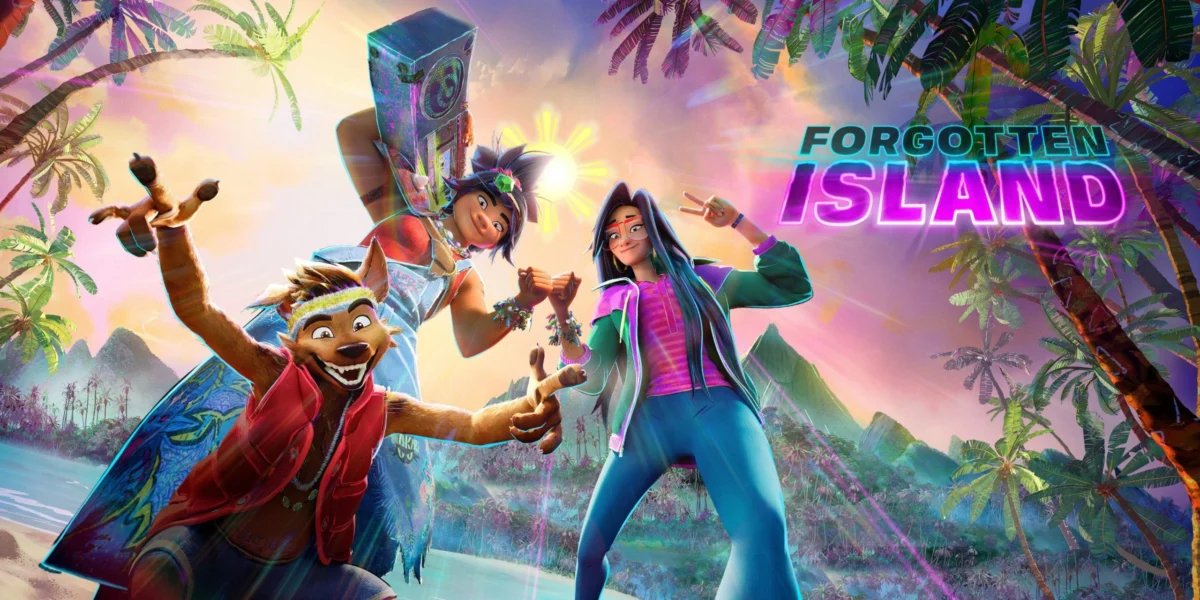
The animated feature film Forgotten Island, helmed by Academy Award-nominated filmmakers Joel Crawford and Januel Mercado, has emerged as a focal point in contemporary discussions regarding the health of original storytelling within the commercial film landscape. Known for their previous work on the critically acclaimed Puss In Boots: The Last Wish, the directors’ latest endeavor has garnered significant praise for its visual innovation, narrative depth, and the integration of Philippine mythology. Despite this critical reception, the film is currently navigating a challenging trajectory at the domestic and international box office, raising questions about audience engagement with original animated intellectual property.
The Production and Creative Pedigree
Forgotten Island represents a significant investment in original, culturally specific animation. The production team, led by Crawford and Mercado, sought to bridge the gap between traditional folklore and modern animation techniques. The film boasts a robust ensemble cast, featuring H.E.R., Liza Soberano, Dave Franco, Jenny Slate, Manny Jacinto, Dolly de Leon, Jo Koy, Ronny Chieng, Kevin McCann, and Lea Salonga. The inclusion of such a diverse, star-studded cast was viewed by industry analysts as a strategic effort to broaden the film’s appeal across multiple demographics, particularly within the Southeast Asian market and among global animation enthusiasts.
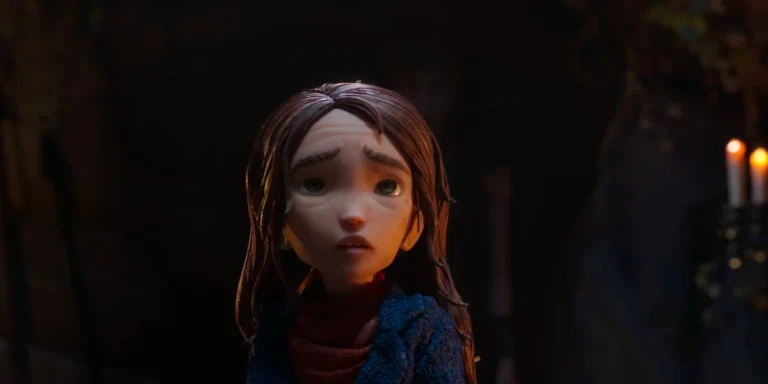
The aesthetic direction of the film is rooted in the rich tapestry of Philippine mythology, a subject matter that has historically been underrepresented in major Western animated releases. By utilizing a distinct visual style that blends traditional cultural motifs with contemporary 3D rendering, the filmmakers aimed to create an immersive experience that differentiates the product from the standardized aesthetic of high-budget studio sequels.
Chronology of the Release
The release of Forgotten Island followed a carefully orchestrated rollout, starting with early festival screenings that established a strong critical foundation. In the months leading up to the wide release, industry trade publications highlighted the film’s unique premise and the directors’ track record with DreamWorks Animation’s Puss In Boots: The Last Wish, which proved that an inventive, stylistic pivot could result in both financial success and Academy Award recognition.
Upon its theatrical debut, the film was met with immediate acclaim from critics who lauded the screenplay and the vocal performances. However, the initial box office returns during the opening weekend fell below the projections set by industry tracking services. This discrepancy between critical consensus and ticket sales has created a complex narrative, prompting debates about the current state of theatrical distribution for non-franchise animated content.
Box Office Performance and Market Context
The box office performance of Forgotten Island serves as a case study for the current volatility in the family-film sector. Recent industry data suggests that while sequels, remakes, and established franchises continue to dominate the top-grossing slots, original animated films face an uphill battle in capturing the "must-see" status required for a strong theatrical run.
Current market analysis indicates several contributing factors to the film’s slow start:
- Market Saturation: The theatrical calendar has been crowded with high-profile releases, limiting the available screen space for mid-budget original animated features.
- Post-Pandemic Consumption Habits: Demographic data indicates that family audiences have become more selective, often opting to wait for streaming releases for films that do not carry the "event cinema" branding of established intellectual property.
- Marketing Challenges: Promoting a film based on original mythology requires a higher expenditure on consumer education compared to sequels, where the brand recognition already exists.
When comparing Forgotten Island to its predecessors in the genre, analysts note that the film’s performance is not necessarily a reflection of its quality, but rather an indicator of the changing economics of theatrical exhibition. While the film has secured positive sentiment, the conversion of critical acclaim into box-office revenue remains a persistent challenge for independent and original animated projects.

Industry Implications and the "Originality" Crisis
The struggle of Forgotten Island at the box office carries broader implications for the animation industry. Major studios have increasingly favored the security of existing franchises to minimize financial risk. The performance of this film is being closely monitored by studio executives and financiers, as it may influence future greenlighting decisions for projects that rely on original, culturally grounded narratives.
If a film with a high-profile cast and proven directorial talent struggles to find a wide audience, the perceived risk of investing in similar projects increases. Conversely, if the film finds longevity through word-of-mouth or eventual success in the secondary, home-viewing market, it may serve as a blueprint for long-tail distribution strategies.
The Path to Awards Season
Despite the box office headwinds, Forgotten Island remains a prominent contender in the conversation for the Best Animated Feature Film at the Academy Awards. The film’s technical merits—specifically its animation style and the integration of cultural heritage—align with the criteria often favored by the Academy of Motion Picture Arts and Sciences.
Historical data shows that films which struggle commercially but gain critical momentum can still perform well during the awards season. The "Prestige Animated Film" category often rewards innovation over pure revenue generation. If the production company and distributors pivot toward an aggressive awards campaign, the film may garner the necessary visibility to remain relevant throughout the voting period. This would validate the creative risks taken by Crawford and Mercado and potentially provide a much-needed boost to the film’s reputation.
Critical Reception and Audience Engagement
The discourse surrounding the film has been marked by a dichotomy between the praise for its storytelling and the lack of widespread audience turnout. Critics have pointed to the emotional resonance of the narrative, noting that the performances by the ensemble cast—particularly the contributions of Dolly de Leon and Lea Salonga—elevate the material into a deeply moving experience.
However, social media sentiment analysis suggests that while the film has a passionate, albeit niche, core audience, it has yet to penetrate the broader mainstream consciousness. This lack of "virality" or pervasive cultural footprint is a common issue for non-franchise films in the current digital landscape, where social media engagement is frequently tied to established fan bases and pre-existing character dynamics.
Conclusion and Future Outlook
The trajectory of Forgotten Island is a reflection of a broader tension in the film industry: the conflict between the desire for original, high-quality storytelling and the commercial realities of a risk-averse exhibition market. As the film continues its theatrical run, its ultimate legacy will likely be determined by its ability to secure a foothold in the awards circuit and its endurance as a cultural touchstone in the years following its release.
For industry stakeholders, the film serves as a reminder that the health of the medium relies on the willingness to produce diverse, original stories. Whether the market is currently structured to support these endeavors remains a point of significant contention. As the season progresses, the industry will continue to observe how Forgotten Island navigates these hurdles, potentially providing a roadmap for future original animated features seeking to balance artistic integrity with commercial viability. The ongoing discussion, featured in various critical forums and podcasts, underscores that while the box office numbers may be modest, the film’s cultural and artistic footprint continues to grow, ensuring it will remain a significant topic in the dialogue surrounding the 2024–2025 film season.