



Lana Daher’s debut feature documentary, Do You Love Me (2026), presents a kaleidoscopic, visceral exploration of Lebanon’s turbulent cultural memory. Drawing from an extensive collection of found footage and archival material spanning seven decades, the Beirut-based multidisciplinary artist has assembled a 76-minute portrait of historical trauma, resilience, and daily life. The film, which celebrated its world premiere at Venice Days and subsequently screened at the CPH:DOX festival, is currently enjoying a theatrical run at Metrograph in New York City. By stitching together fragments from independent cinema, newsreels, home movies, and abandoned archives, Daher forces past and present to collide, effectively recontextualizing the historical narrative of a nation perpetually caught in cycles of crisis.
Main Facts and Cinematic Framework
The structural backbone of Do You Love Me relies entirely on archival material, bypassing traditional voiceover narration and central biographical subjects. Instead, Daher toggles fluidly between scenes from dramatic action films and raw journalistic footage documenting violence on the streets of Beirut. This deliberate juxtaposition deliberately blurs the lines between staged fiction and historical reality.

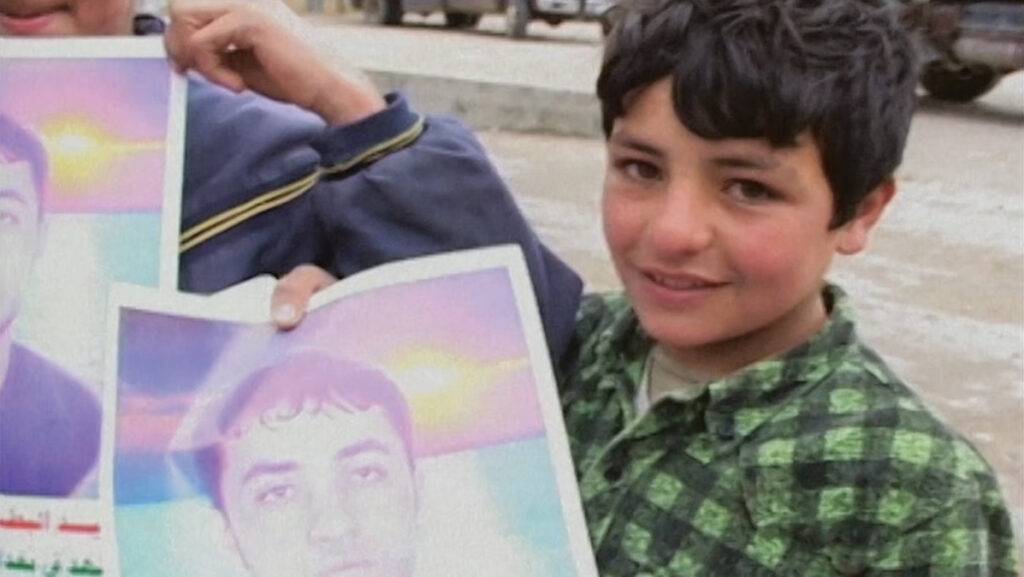
Throughout the runtime, everyday civilians, intellectuals, and artists discuss the complexities of the Lebanese Civil War and the enduring legacy of political confessionalism in both Arabic and French. The visual tapestry captures the full spectrum of human experience within the region: newlyweds dancing at celebrations, children marking birthdays, and families frantically searching for missing loved ones or mourning the dead. The soundscape mirrors this emotional volatility, transitioning smoothly from traditional Middle Eastern compositions to contemporary, energetic hip-hop.
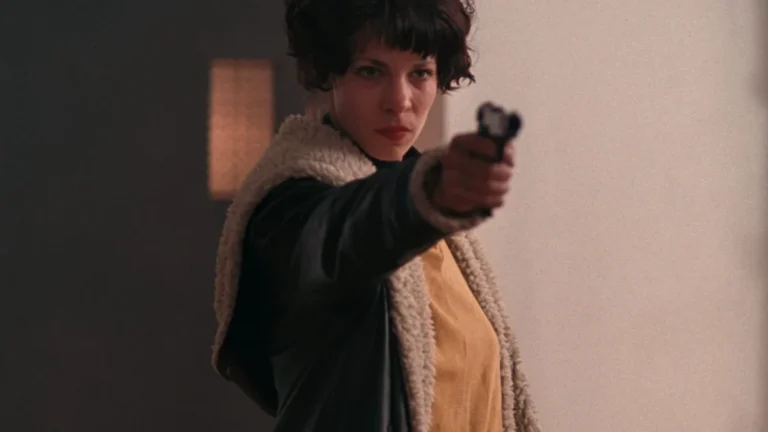
Notable cinematic excerpts embedded within the documentary include moments from the Beirut-set feature I Want to See (2008), in which French actress Catherine Deneuve portrays an artist inquiring about an empty apartment building transformed into a war monument. Additionally, the film incorporates footage from pioneering Lebanese journalist and filmmaker Jocelyne Saab, capturing her profound grief and weariness as she reports from the wreckage of her demolished home following an Israeli bombardment, lamenting the loss of 150 years of family history. Taken as a whole, the documentary reinforces Daher’s foundational thesis that disorientation is an unavoidable component of understanding the intricate history of her homeland.
Chronology and Archival Methodology
The genesis of Do You Love Me dates back to 2018, when Daher initially approached the project as an academic and artistic inquiry into the intersection of war and music—specifically investigating how musical compositions carry collective memory through conflict. The research initially centered on the Bendaly Family, a popular Lebanese musical group whose song title eventually inspired the film’s name. Over a multi-year development period, the focus shifted from a narrow musicological study toward a deeply personal examination of the filmmaker’s relationship with Beirut, her childhood traumas, and societal mechanisms of remembering.

Gathering source material for the documentary presented unprecedented logistical challenges, primarily due to the absence of a national archive or a unified, universally accepted history curriculum within Lebanon. Rather than conducting a standard historical search, Daher describes the process as a persistent "hunt."
- 1928: The earliest piece of archival media incorporated into the film, discovered via a rare home video.
- 1958–Present: The timeframe from which approximately 106 independent Lebanese fiction and documentary features were sourced.
- 20,000+: The total number of audiovisual fragments accumulated across multiple hard drives during the research phase.
- 400: The approximate number of legal rights contracts cleared for the production.
- 7%: The final proportion of researched material that successfully made the cut into the completed 76-minute feature.
Collaborative Process and Editorial Philosophy
Editing served as the core driving force of the production from its earliest stages. Daher worked independently for nearly five years, occasionally assisted by junior researchers, until she amassed a four-hour rough cut. At this juncture, she partnered with Paris-based Syrian editor Qutaiba Barhamji, whose previous credits include acclaimed documentaries such as Kaouther Ben Hania’s Four Daughters (2023) and the Oscar-nominated The Voice of Hind Rajab (2025).
Opting to discard the four-hour draft entirely, Daher and Barhamji chose to build the narrative structure from scratch. To maintain objectivity and artistic distance, Daher deliberately selected an editor who was not of Lebanese descent, ensuring that personal emotional attachments to specific historical events would not impede the narrative’s broader resonance. The creative team established strict internal guidelines: no complete scenes were lifted directly from existing films, and Lebanese politicians were entirely excluded from both the visual frame and the soundtrack.
Rejecting linear chronology, the filmmakers constructed the narrative around an emotional logic rather than a timeline. This stylistic choice directly reflects Daher’s perspective that collective memory and psychological trauma are inherently non-linear. The resulting rhythm and thematic associations rely on fragmenting and recombining isolated shots to evoke the lived experience of perpetual instability.
Perspectives on Women, Representation, and Historical Absence
A prominent thematic thread running through Do You Love Me is the centering of the female gaze and perspective, a viewpoint historically underrepresented in official regional records. Because many Lebanese families lost their personal archives through successive waves of war and migration, traditional institutional records remain scarce. Daher emphasizes that much of the surviving domestic media—home videos, personal photographs, and private collections—was captured, maintained, and safeguarded by women, even when they were not physically operating the camera.
This preservation dynamic positions women as literal witnesses to history who maintained a domestic and cultural record when official institutions failed to do so. In tandem with the film’s release, cultural institutions such as Metrograph have organized complementary screening series, including "Jocelyne Saab: Letters from Lebanon," highlighting the foundational contributions of female pioneers in Middle Eastern journalism and cinema. Daher acknowledges Saab and other female creators not necessarily as direct stylistic influences, but as essential touchstones whose courage in documenting unfolding atrocities laid the groundwork for contemporary Lebanese artists.

Broader Impact, Geopolitical Context, and Cultural Implications
The release of Do You Love Me coincides with a renewed escalation of regional conflict involving Israel, Hezbollah, and the broader Lebanese population. Discussing the geopolitical realities framing her film, Daher pushes back against simplistic media narratives that frame the ongoing devastation merely as crossfire between two external or localized combatants. Highlighting the historical timeline, she notes that Israeli military interventions in Lebanon predate the founding of Hezbollah by several years, pointing to the 1978 invasion and subsequent decades of military occupation as part of a continuous cycle of destruction.
Screening the film in Beirut during active military hostilities yielded profound and visceral reactions from local audiences. During one theatrical screening, the audible presence of an Israeli drone overhead merged seamlessly with the ambient sound design of the screening room, underscoring the stark collapse between national reality and cinematic archive. Audience responses have varied between therapeutic relief—reminding viewers of the fundamental civilian desire to live rather than fight—and profound sorrow regarding the generational inheritance of trauma.
Ultimately, Do You Love Me functions as a living, feeling alternative to a traditional national archive. By capturing the humor, tenderness, and daily humanity of a population frequently reduced to casualty statistics in international news reporting, Daher’s debut feature carves out an essential psychological space for grief, resilience, and cultural survival.