
The release of Jackass: Best and Last marks what may be the definitive final chapter of one of the most improbable and enduring franchises in modern entertainment history. Over more than two decades, the Jackass phenomenon transitioned from a controversial, countercultural public access experiment into a multi-million-dollar cinematic institution. At the center of this evolution has been director Jeff Tremaine, whose quiet, artistic sensibilities have consistently steered the chaos behind the lens. As the franchise faces the twilight of its on-screen run, industry analysts, critics, and the creative team itself are reassessing the cultural and aesthetic impact of a series traditionally dismissed as lowbrow slapstick.
Main Facts and the Final Chapter
Jackass: Best and Last brings together nostalgic archival material and unseen footage, capturing a distinct sense of wistfulness among a cast that grew up performing career-threatening stunts. Tremaine, alongside co-creators Johnny Knoxville and Spike Jonze, built an aesthetic rooted in skateboarding culture, spontaneity, and unfiltered camaraderie. Despite holding an undergraduate degree in fine arts and cultivating a lifelong background in painting and design, Tremaine has long resisted the label of auteur. Instead, he views his role as a curator of extreme personalities rather than a traditional filmmaker. Yet, the work he has overseen has been increasingly recognized by cultural institutions, including the Museum of Modern Art (MoMA), which famously hosted a retrospective screening for Jackass 3D in 2010.
Chronology and Origins: From Big Brother to Paramount
The trajectory of Jackass began in the late 1990s within the pages of Big Brother, a countercultural skateboarding magazine where Tremaine served as art director. Seeking to capture the most outrageous and idiosyncratic personalities rather than strictly elite athletes, Tremaine utilized video cameras to document underground pranks and stunts.
The turning point for the project arrived when Johnny Knoxville filmed himself shooting himself with a handgun while wearing a bulletproof vest for a magazine promotional video. Recognizing the cross-platform potential of Knoxville’s charismatic fearlessness alongside early collaborators like Steve-O, Wee Man, and Chris Pontius, Tremaine helped package the concept for television.
- 2000: The original Jackass series premieres on MTV, immediately sparking intense public controversy and regulatory scrutiny.
- 2002: Following the cancellation and conclusion of the television run, Paramount Pictures releases Jackass: The Movie, proving that the brand could successfully transition to a feature-length format.
- 2006–2010: Sequential sequels, including Jackass Number Two and Jackass 3D, expand the scale of production while introducing stereoscopic 3D technology to physical comedy.
- 2022: Jackass Forever arrives to widespread critical acclaim, proving the longevity of the aging core cast.
- 2026: Jackass: Best and Last premieres, bringing a retrospective lens to the historic franchise.
Supporting Data and Production Evolution
The logistical reality of producing the Jackass franchise transformed dramatically over its lifespan. In the early television and first-feature eras, productions operated with minimal crew sizes, driving their own production vans and frequently filming without official municipal permits—such as an unscripted downtown Los Angeles stunt involving actor Brad Pitt.
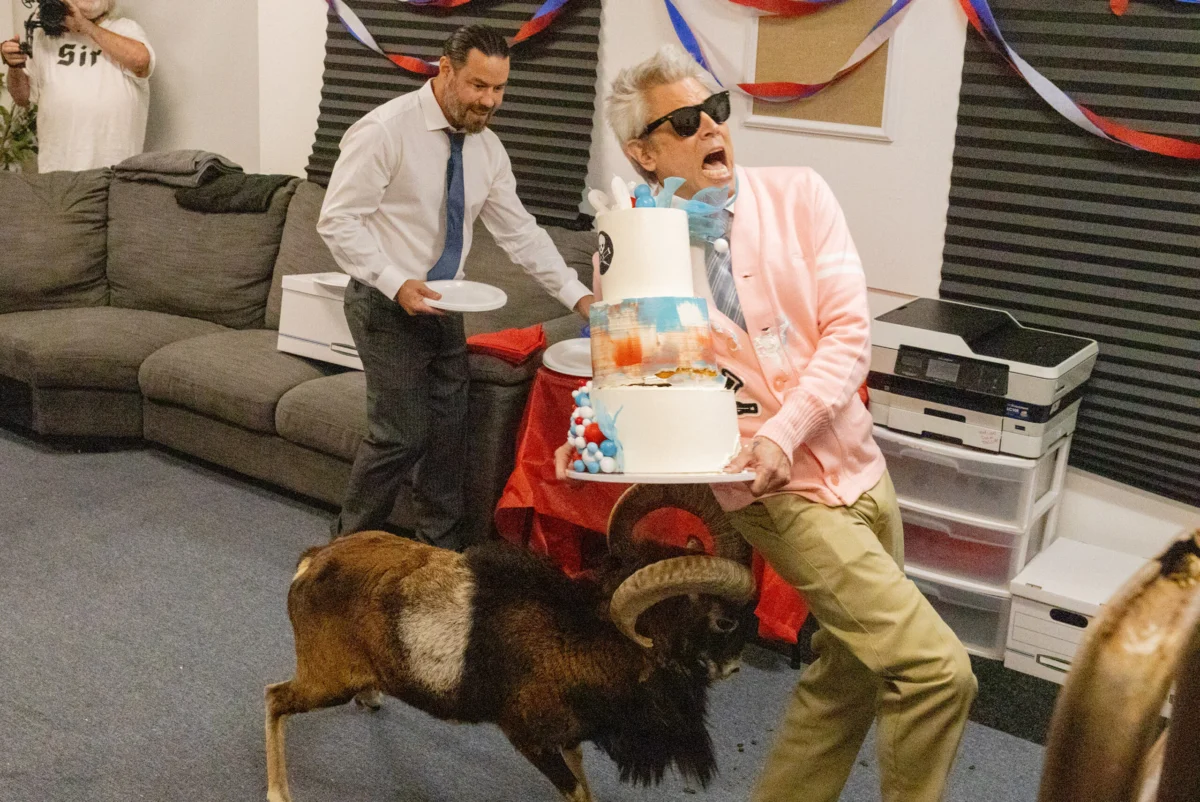
As box office returns grew—with the franchise collectively grossing well over half a billion dollars globally against relatively modest budgets—the administrative and insurance overhead expanded proportionately. For Jackass Forever and subsequent projects, productions required massive safety protocols, specialized animal wranglers, and complex legal clearances.
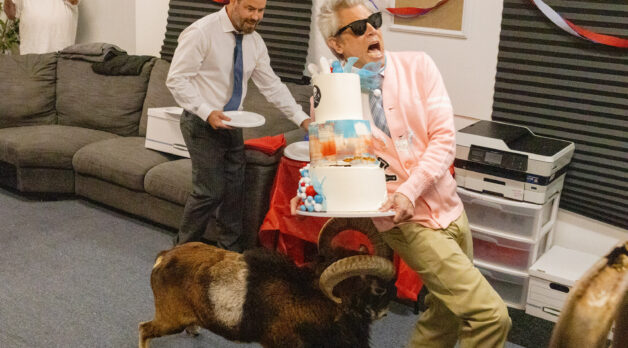
Despite these corporate constraints, Tremaine actively fought to preserve creative spontaneity. Industry negotiations with the Motion Picture Association (MPA) frequently involved rigorous bargaining over the boundaries of full-frontal male nudity and slapstick violence, culminating in creative compromises that often enhanced the absurdist humor of the finished films.
Official Responses and Critical Reception
For years, mainstream film critics dismissed the Jackass series as dangerous, mindless degradation. However, a significant critical reevaluation occurred during the release of Jackass 3D and reached a zenith with Jackass Forever, which holds an approval rating above eighty percent on aggregate review platforms.
Reviewers began to contextualize the films not merely as crude endurance tests, but as joyous celebrations of healthy, non-toxic male friendship, anti-homophobia, and genuine physical vulnerability. Tremaine has frequently expressed ambivalence regarding this intellectualized praise, noting that his creative motivation has always remained grounded in surface-level adolescent humor rather than high-art theory.
"We used to not get permits and do things spontaneously," Tremaine noted regarding the transition from guerrilla filmmaking to a corporate-backed studio machine. "Once you start getting permissions, you start getting restrictions. But I like operating with some restrictions—I think that forces me to be more creative."
Broader Impact and Cultural Implications
The cultural footprint of Jackass extends far beyond feature films, influencing generations of internet content creators, sketch comedy troupes, and reality television formats. By establishing a template built on genuine risk, self-deprecating humor, and absolute transparency regarding the consequences of failure, the franchise subverted traditional Hollywood depictions of masculinity.
Furthermore, Tremaine’s diverse career trajectory—which notably includes directing an upscale, highly stylized safety video for American Airlines—demonstrates a technical versatility often overlooked by mainstream cinema observers. Whether handling large-scale studio productions or executing spontaneous street pranks, Tremaine maintained a distinct visual and structural voice.
As the curtain falls on the primary cinematic releases of the Jackass franchise, the enduring legacy of Jeff Tremaine’s direction remains secured. By balancing the raw, anarchic impulses of a unique cast with a sharp structural eye, he transformed lowbrow disruption into a recognized cinematic art form, leaving an indelible mark on modern comedy.