



Rockstar Games stands as a titanic force in the interactive entertainment industry, responsible for crafting some of the most lucrative and culturally impactful intellectual properties in media history. Among its crowning achievements, the Grand Theft Auto series has long been a lightning rod for societal debate. Throughout its legendary run from the late 1990s through the early 2010s, the franchise was frequently targeted by mainstream politicians, concerned parents, and conservative advocacy groups. These early critics denounced the games for exposing impressionable audiences to graphic violence, explicit sexual content, crude satire, and rampant criminal behavior. High-profile figures, including tech billionaire Elon Musk, have publicly recounted personal misgivings with past installments like Grand Theft Auto V, noting an aversion to playing protagonists who actively engage in violent conflicts with law enforcement officers.
However, the nature of public scrutiny surrounding video games has undergone a profound transformation. As society and political discourse have shifted, the moral panics of previous decades—traditionally centered on youth delinquency and aggressive behavior—have largely been superseded by modern culture-war anxieties. Today, a vocal faction of online commentators and right-wing internet personalities focuses intensely on perceived ideological contamination within entertainment media, often pejoratively labeling progressive themes as "woke." Despite limited substantive information regarding the narrative and mechanics of the highly anticipated Grand Theft Auto VI, scheduled for release on November 19, these digital agitators have launched a preemptive ideological campaign. They argue that the upcoming title represents a calculated effort to indoctrinate players through the inclusion of gender equality initiatives, LGBTQ+ representation, and racial diversity, illustrating a notable pivot in how high-profile media products are scrutinized.
The Evolution of Online Backlash and the Gamergate Legacy
The roots of the current preemptive backlash against Grand Theft Auto VI can be traced directly to the cultural shifts that accompanied the Gamergate movement in 2014. During this period, a distinct subculture of aggrieved male gamers emerged, establishing a persistent online vigil against the perceived infiltration of women and LGBTQ+ developers within the video game industry. Over the 13-year hiatus between the launch of Grand Theft Auto V and the impending arrival of its successor, this network of critics has found ample opportunity to cultivate manufactured outrage. Delays in the game’s production schedule only served to extend the window for speculation, fueling a pattern of preemptive resistance similar to the unsuccessful controversies directed at other major cultural touchstones, such as Christopher Nolan’s cinematic adaptations or contemporary literary revamps.
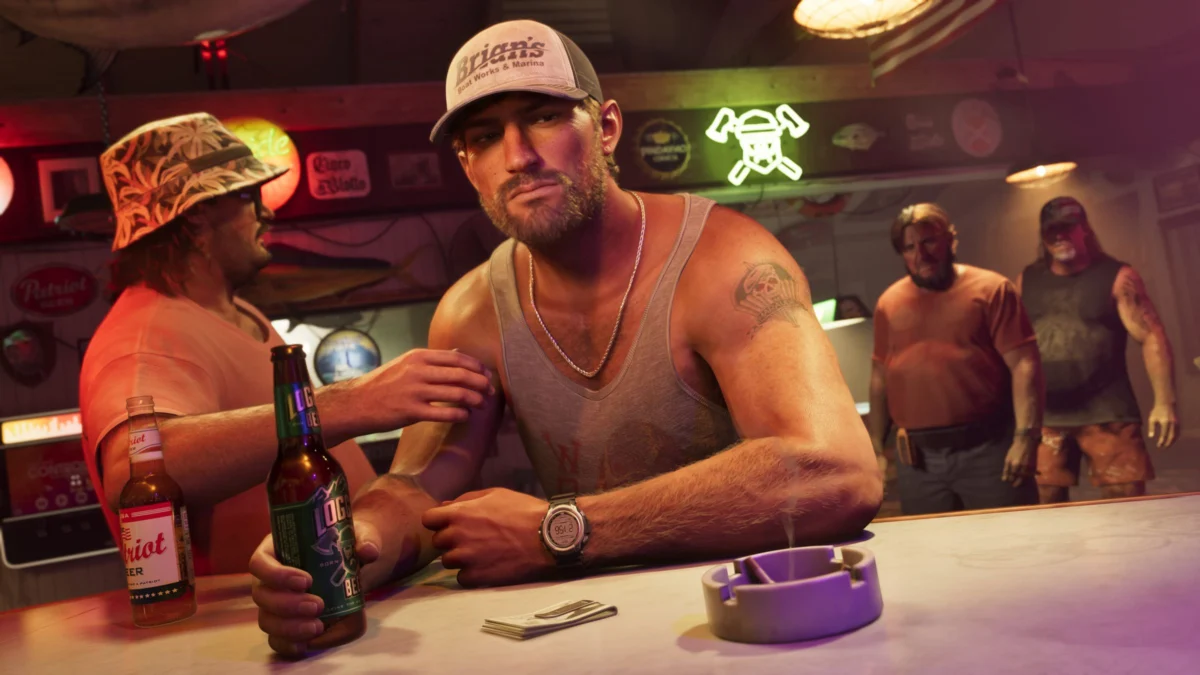
Social media platforms, particularly X (formerly Twitter), have served as primary incubators for these grievances. Commentators frequently dissect minute details from promotional trailers, leaks, and brief preview clips, interpreting standard interpersonal dynamics as insidious political statements. For instance, a promotional sequence depicting the game’s dual protagonists—Lucia Caminos and Jason Duval, whose relationship evolves based on player choices—sparked widespread complaints among anti-woke commentators. In the clip, Lucia asks Jason to assist her with wardrobe selection and displays mild frustration at his apparent indifference. Despite mirroring mundane domestic exchanges found in situation comedies for decades, the scene was framed by critics as evidence of a subversion of traditional masculinity and an capitulation to modern feminist narratives.
Further critique has targeted the portrayal of the male protagonist himself. Some social media users argued that Jason’s vocabulary, clothing choices, and general demeanor lacked traditional masculine markers, leading to claims that the character was written by individuals unfamiliar with male psychology. Similarly, other commentators expressed dissatisfaction when promotional materials depicted Jason shirtless, contending that such design choices were intended to appeal to female and gay demographics at the expense of the series’ traditional edginess. Additional reactions involved baseless speculation regarding the characters’ identities, ranging from groundless theories about Lucia being a transgender woman to complaints about character physical proportions, which detractors attributed to alleged ideological mandates within Rockstar Games’ development pipeline.
Chronology of Anticipation and Controversy
The trajectory of Grand Theft Auto VI from initial announcement to release has been marked by unprecedented public interest accompanied by continuous cycles of online friction:
- February 2013: Rockstar Games releases Grand Theft Auto V, which goes on to become one of the best-selling entertainment products of all time, generating tens of billions of dollars in lifetime revenue.
- March 2022: Amid growing industry discussions regarding inclusivity, Rockstar releases a remastered version of Grand Theft Auto V for current-generation consoles, quietly removing certain non-playable characters and dialogue elements previously criticized as offensive to transgender individuals, prompting early friction within specific fan communities.
- September 2022: A massive security breach results in the unauthorized leak of extensive pre-alpha development footage for the next Grand Theft Auto title, confirming the inclusion of a female protagonist and a setting inspired by Miami, Florida.
- December 2023: Rockstar Games officially publishes the debut trailer for Grand Theft Auto VI, instantly shattering viewership records on digital platforms and sparking the first major wave of culture-war speculation regarding the game’s thematic direction.
- Mid-2024 to Late 2025: Subsequent promotional materials, extended previews distributed via streaming services, and developer statements regarding the studio’s contemporary workplace culture and artistic intentions fuel ongoing debates among online commentators.
- November 19, 2026: The official global release date for Grand Theft Auto VI across major console platforms.
Financial Realities Versus Vocal Opposition
Despite the high visibility of online detractors, financial indicators suggest that the manufactured controversy has had a negligible impact on consumer demand. Industry analysts and pre-order tracking data from third-party analytics firms indicate that Rockstar Games has already secured millions of advance purchases, generating hundreds of millions of dollars in revenue ahead of launch. Although development expenditures for Grand Theft Auto VI are widely reported to exceed $1 billion—making it potentially the most expensive video game ever produced—financial analysts project that the publisher will comfortably recoup these investments, potentially within the first twenty-four hours of commercial availability.
Public statements from prominent figures within the digital landscape reflect a growing divergence in how online influencers approach the controversy. While dedicated anti-woke commentators continue to dissect promotional assets for perceived ideological transgressions, other high-profile streamers and political commentators, such as Zack Hoyt (Asmongold) and fringe internet personalities, have adopted a more pragmatic "wait-and-see" approach. Some have even openly mocked the exhaustion surrounding the endless culture-war debates, advising critics to direct their attention toward offline pursuits.
Broader Industry Implications
The phenomenon surrounding Grand Theft Auto VI underscores a broader transformation in how commercial entertainment interacts with contemporary political discourse. As development studios grow larger and budgets scale into unprecedented territory, publishers face increasing pressure to balance broad market appeal with nuanced creative expression. Rockstar Games, historically known for its biting satire of American consumerism and societal hypocrisies, has reportedly made internal adjustments to ensure its humor does not rely on outdated tropes or target marginalized groups unfairly. These corporate adjustments, coupled with the introduction of the franchise’s first playable female protagonist, have transformed the game into a symbolic battleground for broader ideological conflicts regarding representation in media.
Ultimately, the friction surrounding Grand Theft Auto VI highlights a distinct disconnect between vocal online subcultures and mainstream consumer behavior. While digital platforms amplify fringe grievances and speculative outrage, the sheer economic momentum of powerhouse franchises remains largely insulated from ideological boycotts. As the title approaches its launch date and prepares to shatter established entertainment sales records, the discourse is likely to follow a familiar trajectory: initial outrage giving way to widespread commercial adoption, followed by the eventual migration of cultural commentators toward the next emerging controversy on the horizon.