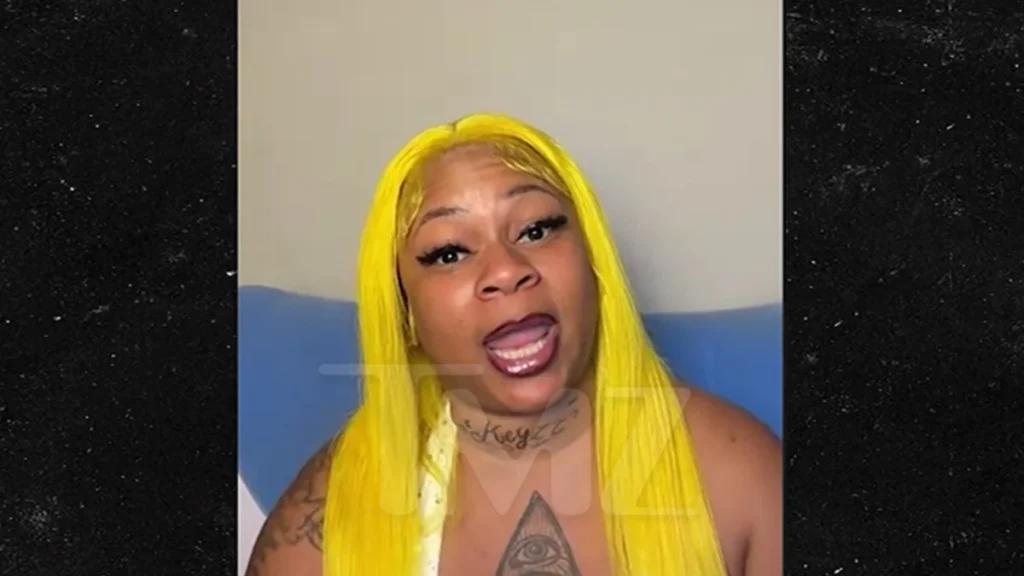


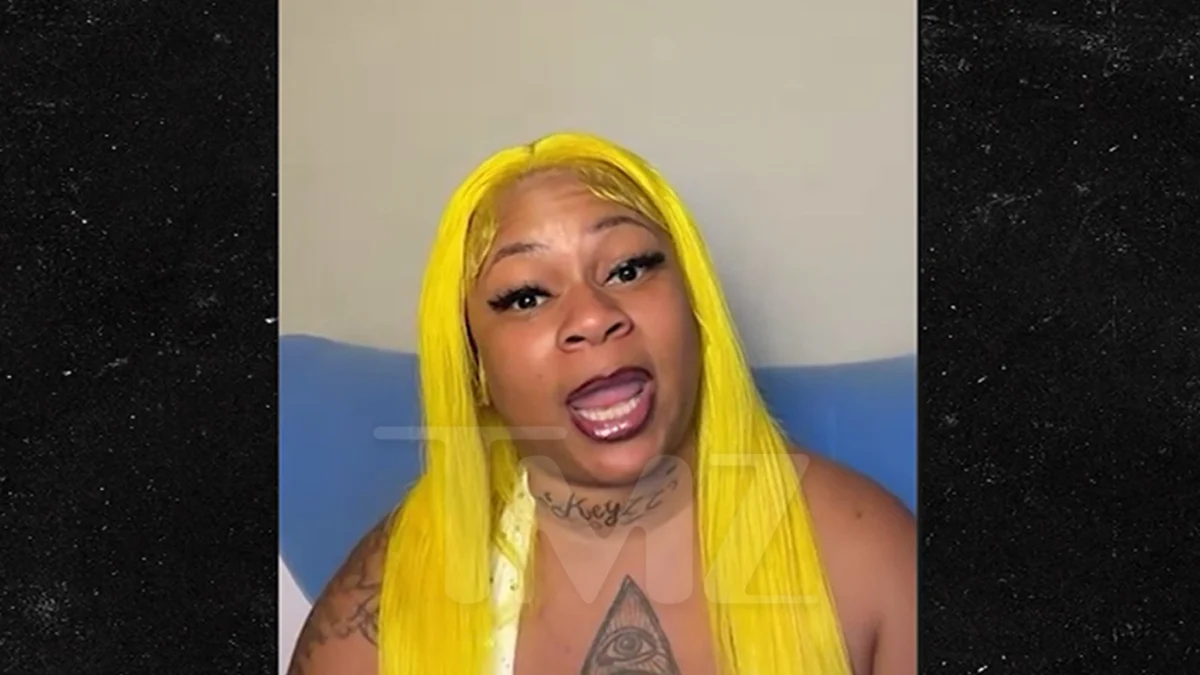
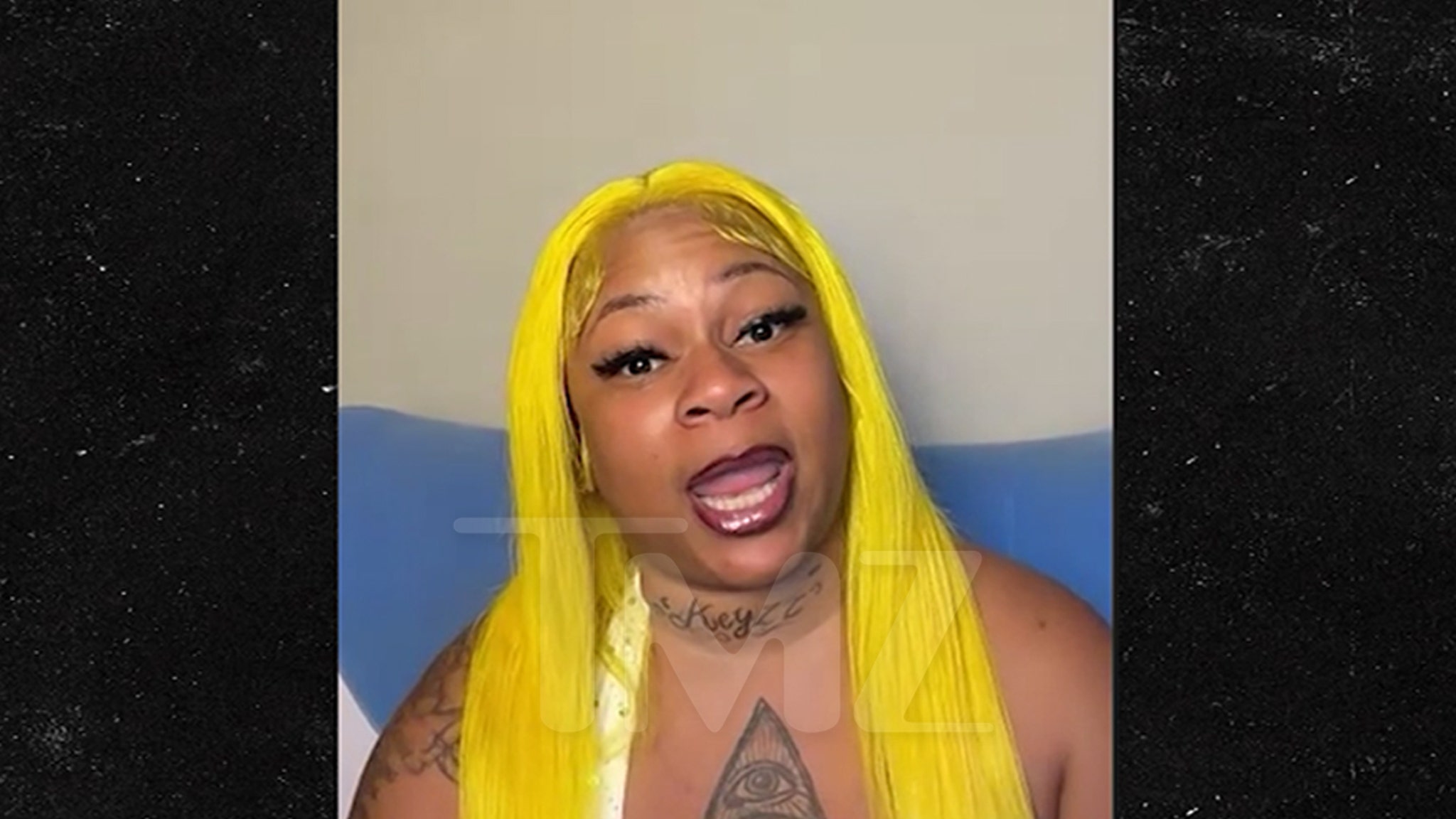
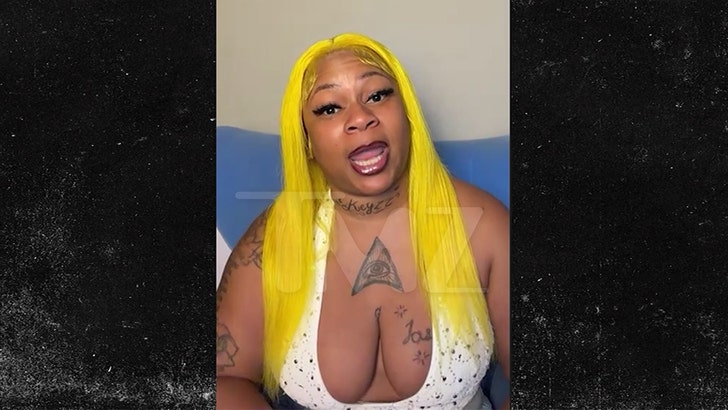
New York City’s euphoric celebration of the Knicks’ long-awaited 2026 NBA Championship was punctuated by an unexpected incident that quickly became a global viral sensation. At the heart of this widely circulated event is Reds Punch, a Knicks fan whose confrontation during the championship parade transcended a mere street brawl to become a defiant act of resilience and an internet phenomenon. In an exclusive interview with TMZ on June 22, 2026, Ms. Punch offered a detailed account of the events that led to her now-infamous twerking display, shedding light on the racial slurs and physical assault she endured amidst the city’s jubilant festivities. Her narrative provides a compelling perspective on the line between public celebration and personal violation, and the unexpected ways individuals reclaim their dignity in the face of aggression.
A City Electrified: The 2026 Knicks Championship Context
The 2026 NBA Championship represented a monumental achievement for the New York Knicks, ending a 53-year championship drought that had tested the loyalty of generations of fans. The victory, secured against the formidable San Antonio Spurs in a hard-fought series, ignited an unprecedented outpouring of joy across the five boroughs. Millions of New Yorkers, starved for basketball glory, flooded the streets on the day of the championship parade, transforming Manhattan’s iconic "Canyon of Heroes" into a sea of orange and blue. Reports from the NYPD and city officials estimated parade attendance upwards of three million, making it one of the largest public gatherings in the city’s history. The atmosphere was a heady mix of exhilaration, relief, and communal pride, with fans scaling lampposts, traffic lights, and bus shelters to catch a glimpse of their heroes. This fervent, often chaotic, celebratory environment set the stage for both unforgettable moments of unity and, regrettably, isolated instances of conflict, including the one involving Reds Punch. The sheer scale of the celebration, while overwhelmingly positive, inherently brought challenges for crowd management and maintaining order, as individual emotions ran high and personal boundaries sometimes blurred amidst the collective ecstasy.
The Incident Unfolds: From Celebration to Confrontation
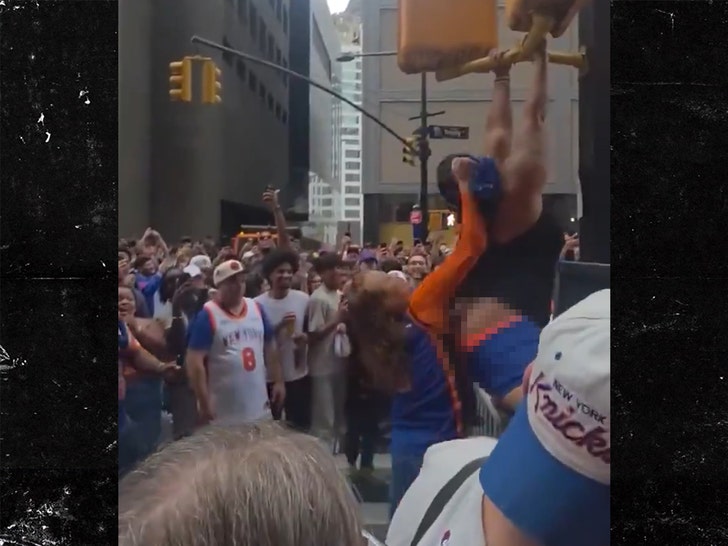
The events involving Reds Punch began, like many others, as an act of pure celebration. She, along with countless other fans, had found a perch atop a street lamp along the parade route, a common sight during such massive public gatherings. Videos circulating on social media prior to the altercation showed her dancing and cheering, embodying the vibrant spirit of the Knicks faithful. This initial display of exuberance quickly garnered attention, with onlookers capturing her infectious energy on their smartphones.
The Ascent to Viral Fame
Before the altercation, Reds Punch was already a focal point for many spectators. Her decision to climb a lamppost, a common, albeit unauthorized, act of revelry at major parades, positioned her prominently above the throng. Footage from various angles depicted her waving, dancing, and interacting with the crowd, her face beaming with the joy of a lifelong fan witnessing a historic moment. This initial visibility laid the groundwork for the widespread dissemination of subsequent events, as many had already captured her pre-brawl antics. The act of climbing a lamppost, while technically against city ordinances, is often tolerated during large-scale, high-emotion events due to the impracticality of enforcing such rules against millions. For many, it’s a symbolic act of reaching for the heavens in celebration, an expression of unbound enthusiasm.
The Spark of Conflict
According to Reds Punch’s account to TMZ, the festive atmosphere took a sharp turn when an unnamed individual began directing aggressive and racially charged insults at her. Ms. Punch alleges the woman hurled vile epithets, including "biggest, fattest black a** bitch" and "gorilla," in front of the massive crowd. This verbal assault, she stated, was unprovoked and deeply jarring, transforming a moment of public joy into one of profound personal humiliation and anger. Such language, particularly in a public setting, not only constitutes harassment but also carries a heavy historical weight, amplifying the impact of the aggression. The presence of an audience, far from deterring the aggressor, seemed to embolden her, making the experience even more traumatic for Ms. Punch.
Physical Escalation and Defiance
The verbal tirade soon escalated into a physical confrontation. Ms. Punch recounted being forcibly pulled from her perch on the lamppost, a dangerous act given the height and the density of the crowd below. During the struggle, her pants and underwear were almost completely yanked off, adding a layer of public indignity to the assault. It was at this critical juncture, as she grappled with both the physical attack and the stripping of her clothing, that Ms. Punch decided she had endured enough. "I’ma meet you on the floor!" she declared, signaling her intent to confront her attacker directly. This moment marked a pivotal shift from victim to active participant, a decision born of frustration and a refusal to be further demeaned. Her actions, while impulsive, highlight a common human reaction to extreme provocation and the instinct to defend one’s self and dignity.
The Twerk Heard Around the World
What followed next solidified Reds Punch’s place in viral history. Amidst the chaos of the brawl, with her clothing still in disarray, Ms. Punch performed a spontaneous twerk directly in the face of her attacker. This act, captured by numerous onlookers and rapidly shared across social media platforms like X (formerly Twitter), TikTok, and Instagram, became the defining image of the incident. Far from being merely a dance, Ms. Punch’s twerk was widely interpreted as a powerful, unconventional act of defiance. It subverted the violent context, transforming an aggressive encounter into a statement of self-possession and psychological victory. In a moment designed to strip her of dignity, she reclaimed agency through an unexpected and culturally resonant gesture. The juxtaposition of aggression and celebratory dance created a complex narrative that resonated with millions, sparking discussions about resilience, body positivity, and unconventional forms of protest against disrespect.
Reds Punch Speaks Out: An Exclusive Account
In her candid interview with TMZ, Reds Punch articulated the emotional and psychological journey she undertook during the confrontation. She described the initial shock and hurt from the racial slurs, followed by a boiling point when the physical assault began and her clothing was compromised. "You can tear my pants down, but not my spirit," she emphatically stated, a phrase that encapsulated her resolve and became an instant tagline for her story. This declaration provided critical context to her actions, framing the twerking not as a trivial act but as a deeply personal and defiant response to an attempt to strip her of dignity.
Ms. Punch emphasized that her decision to engage physically and then twerk was a spontaneous reaction to overwhelming provocation. She felt cornered and violated, and her response was an instinctual assertion of her worth. She observed that the crowd, witnessing the escalating aggression and the alleged racial slurs, largely sided with her. "The crowd was mostly cheering for her!" she recounted, indicating a visible shift in public sentiment during the brawl. This perceived support from bystanders, she noted, provided a sense of validation and reinforced her feeling that her actions were justified in the face of blatant disrespect. The interview painted a picture of a woman pushed to her limits, who chose an unconventional but ultimately empowering way to respond to aggression.
The Aftermath: Legal Choices and Cultural Resonance
The immediate aftermath of the incident saw the video of Reds Punch rapidly spread across the internet, accumulating tens of millions of views within hours. It ignited a firestorm of discussion, garnering both widespread support for Ms. Punch and some criticism for the public nature of the altercation.
Deciding Against Legal Action
Despite the severity of the alleged verbal abuse and physical assault, Reds Punch made a deliberate choice not to pursue legal charges against her assailant. Her reasoning, as articulated to TMZ, was deeply rooted in the context of the Knicks’ championship victory. "Reds decided not to go to the cops in the end… after all, Knicks are the champs! Street lamps and underwear get replaced all the time, but a Knicks chip took 53 years." This statement, while seemingly lighthearted, reflects a profound prioritization. For Ms. Punch, the collective joy and historical significance of the Knicks’ championship overshadowed the desire for personal legal redress. In the grand scheme of a half-century wait for a title, a street brawl, however personal, felt secondary.
From a practical standpoint, pursuing charges for such incidents in massive crowd environments can be complex. Law enforcement often faces challenges in identifying perpetrators amidst millions, gathering reliable witness testimony, and distinguishing between mutual combat and clear assault. While disorderly conduct or minor assault charges could theoretically be filed, Ms. Punch’s decision to forgo this path simplified the situation, allowing her to move past the incident without further entanglement in the legal system. This choice also prevented the incident from overshadowing the team’s triumph, as it might have if it had become a protracted legal battle.
Broader Implications: Fan Behavior and Public Safety
The incident involving Reds Punch, while unique in its viral elements, also sparked broader discussions about fan behavior and public safety during large-scale celebrations. City officials and law enforcement agencies regularly face the challenge of managing millions of excited individuals. While the vast majority of fans celebrate peacefully, such events are susceptible to isolated incidents of aggression, property damage, and public disorder. The NYPD reported over 150 minor arrests for disorderly conduct, public intoxication, and petty vandalism during the 2026 Knicks parade, a relatively small number given the crowd size, but indicative of the inherent risks.
The incident served as a case study for emergency services on how quickly a celebratory atmosphere can devolve. Public safety experts often cite the need for robust crowd control measures, clear communication channels, and swift intervention to de-escalate potential conflicts. However, the sheer density of a parade crowd often makes immediate intervention by officers difficult, leading to situations where individuals must resolve conflicts themselves, as Ms. Punch did.
Viral Sensation and Societal Commentary
Beyond the immediate altercation, Reds Punch’s story became a touchstone for diverse societal conversations. The video’s rapid dissemination across social media platforms amplified its reach, transforming Ms. Punch into an accidental celebrity. Online discussions ranged from condemning the alleged racial slurs and the violence, to celebrating Ms. Punch’s resilience and her unconventional form of defiance.
Many commentators lauded her for reclaiming her narrative and dignity in the face of humiliation. Her twerk was interpreted by some as an act of powerful subversion against aggression, using a traditionally celebratory and sensual dance move to assert control in a violent context. Others viewed it as a demonstration of strength, particularly for Black women facing public disrespect. The incident also highlighted the double-edged sword of viral fame: while it brought Ms. Punch’s story to a global audience and garnered her significant support, it also subjected her to intense public scrutiny and commentary. The incident became a microcosm of broader debates on race, gender, public decorum, and the instantaneous, often unfiltered, nature of online discourse.
Expert Perspectives and Public Discourse
Following the virality of the incident, various public figures and commentators weighed in. Sociologists specializing in urban events noted how the incident reflected the raw emotional intensity of mass gatherings, where collective euphoria can sometimes clash with individual tensions. "Parades like these are pressure cookers of emotion," remarked Dr. Elena Rodriguez, a professor of urban sociology at NYU. "While the overwhelming sentiment is positive, the sheer volume of people, combined with heightened emotions and sometimes alcohol, can lead to unpredictable flashpoints. Ms. Punch’s story is a stark reminder of the individual experiences within the collective."
Public safety officials, while not commenting directly on the specific individuals involved, often issue general statements reinforcing the importance of respectful conduct during public events. A spokesperson for the New York City Mayor’s Office released a statement reiterating the city’s commitment to ensuring safe celebrations, while also acknowledging the challenges inherent in managing crowds of such magnitude. They emphasized that while individual incidents are regrettable, they should not detract from the overall success and spirit of a historic championship celebration.
The incident also fueled conversations within online communities dedicated to social justice, where Ms. Punch’s alleged experience with racial slurs resonated deeply. Advocates highlighted how such incidents, even amidst celebratory environments, underscore the persistent presence of racial prejudice and the burden it places on individuals. Her defiant response was often framed as an act of resistance against both physical and systemic aggression.
Legacy of a Champion’s Fan
Reds Punch’s story is more than just a sensational viral video; it is a vivid anecdote etched into the history of the 2026 Knicks Championship. Her actions on that day, from her initial joy atop the lamppost to her defiant twerk in the face of adversity, encapsulate a particular strain of New York resilience. She became an unlikely symbol of a fan base known for its passion, loyalty, and unwavering spirit, even through decades of hardship.
Her declaration, "You can tear my pants down, but not my spirit," resonates as a powerful testament to personal fortitude. It speaks to the idea that true dignity and self-worth cannot be stripped away by external aggressors or unfortunate circumstances. As the euphoria of the Knicks’ championship eventually settles, the image of Reds Punch — a fan who celebrated with unbridled joy, endured racial abuse and physical assault, and responded with an unforgettable act of defiance — will undoubtedly remain a significant, if unconventional, part of the city’s celebration lore. Her story serves as a unique footnote to a historic victory, reminding us that even amidst the grandest collective triumphs, individual acts of courage and resilience can shine brightest.