




Kenji Iwaisawa’s animated film, "100 Meters," has transcended its origins as an adaptation of Uoto’s manga to become a critically acclaimed exploration of perseverance, failure, and the relentless pursuit of self-improvement. The sports drama, centered on the exhilarating yet brutal world of track and field, has captivated audiences and garnered significant international recognition since its release. Its initial debut in Japan saw it impressively secure the eighth position in its opening weekend box office rankings. Following this domestic success, "100 Meters" made its global debut on Netflix, where it rapidly ascended the charts, entering the top six of the global top 10 non-English movie list within its first week of availability. This swift and substantial international traction underscores the universal themes of the narrative and the compelling nature of its visual storytelling.
The film’s impact has been further solidified by its nomination for prestigious accolades, including an "Award of Excellence" in the Best Animated Film category at the 49th annual Japan Academy Film Prize. This nomination speaks to the high caliber of its animation, storytelling, and overall artistic merit, positioning it among the leading animated productions of its year.
The Genesis of a Rivalry: From Childhood Promise to Adult Confrontation
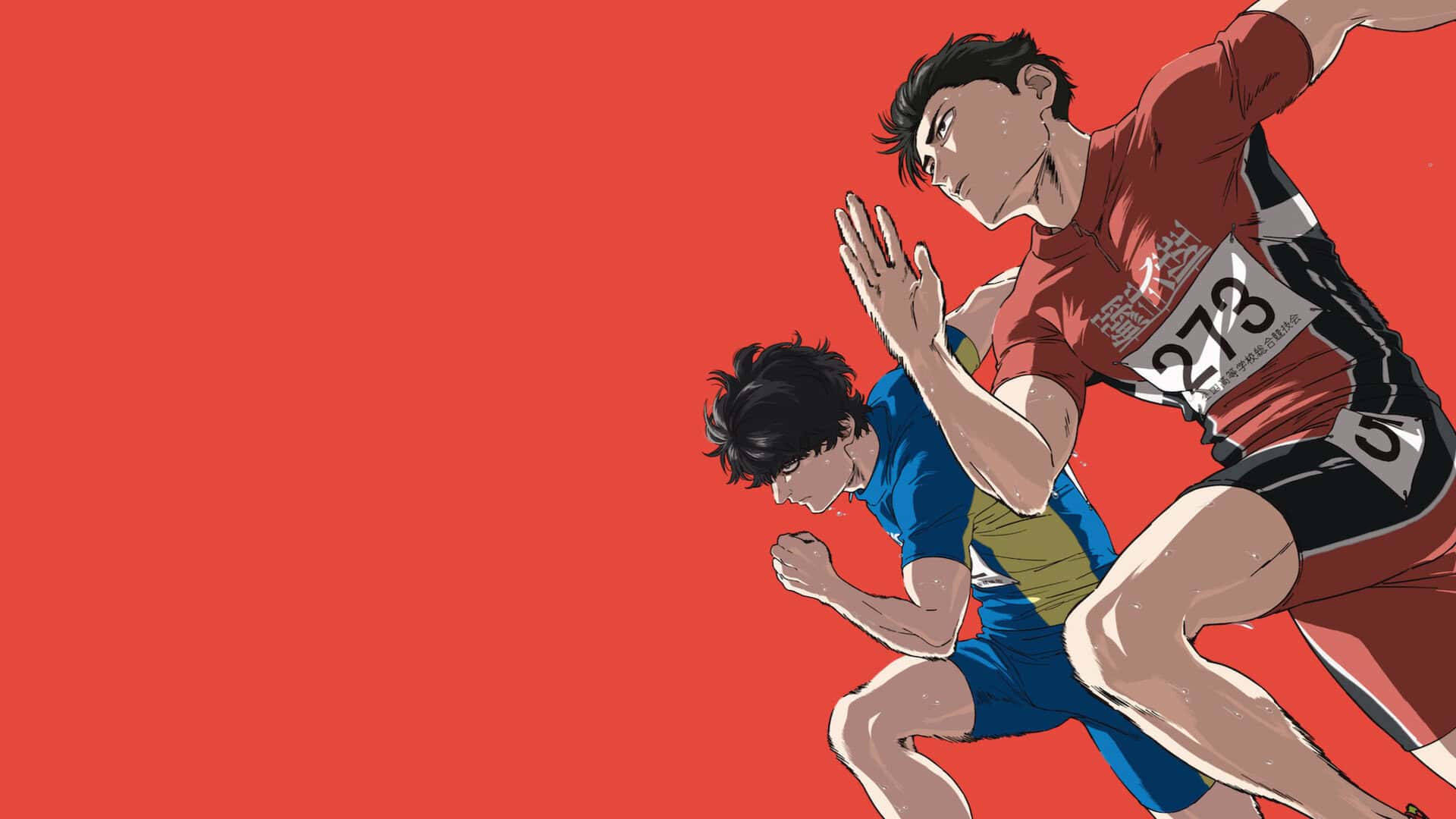
"100 Meters" chronicles the intertwined lives of two gifted sprinters, Togashi and Komiya. The narrative opens by introducing Togashi as a prodigy, a young boy who effortlessly dominates every race he enters, his innate speed setting him apart from his peers. His childhood is marked by consistent victories, a seemingly assured path to athletic greatness. This idyllic trajectory is disrupted by the arrival of Komiya, a transfer student who, despite lacking Togashi’s natural talent, possesses an indomitable spirit and a fierce determination to succeed. Togashi, perhaps recognizing a kindred competitive fire or simply driven by an instinct to mentor, takes Komiya under his wing, offering him guidance. Unbeknownst to Togashi, this act of teaching inadvertently ignites an obsessive drive within Komiya, a burning ambition to not just compete but to conquer.
The paths of these two young athletes diverge, yet their destinies remain inextricably linked. The film masterfully weaves through different stages of their lives, depicting chance encounters and evolving circumstances that continually bring them back into each other’s orbit. The narrative culminates in their reunion as seasoned professional athletes, poised to face each other on the ultimate stage: the track, where their long-simmering rivalry will finally reach its zenith. This cyclical nature of their relationship, marked by shared experiences and parallel struggles, forms the emotional core of the film, highlighting how formative influences can shape an individual’s journey for years to come.
The Unseen Hurdles: Navigating Failure and the Psychology of Sport
At its heart, "100 Meters" is not merely a celebration of athletic triumph but a profound examination of the human capacity to endure and overcome adversity. Through the visceral medium of sports, the film articulates a powerful message: even from the lowest depths of despair, redemption and resurgence are always within reach. Both Togashi and Komiya experience significant setbacks that challenge their commitment to the sport. Togashi, despite his early promise, grapples with self-doubt and contemplates quitting on multiple occasions, a testament to the immense psychological pressure that accompanies elite athletic competition. His journey is fraught with the internal struggle to maintain his passion when faced with the crushing weight of expectation and the fear of underperformance.
Komiya’s struggle is rooted in a deep-seated anxiety that has plagued him since childhood, a mental hurdle that continues to cast a shadow over his teenage years and his aspirations in track and field. His journey is a testament to the internal battles athletes fight, often unseen by spectators. Despite these profound personal challenges, it is their shared passion for running that ultimately fuels their resilience. Togashi’s unwavering focus on winning drives him to engage in rigorous training, pushing his physical and mental limits. Conversely, Komiya transforms his perceived weaknesses into a potent source of motivation, channeling his anxieties into an relentless pursuit of excellence that propels him towards breaking national records. Their intertwined journeys underscore that true athletic achievement is often born not from an absence of struggle, but from the courage to confront it head-on.
A Tapestry of Resilience: Beyond the Protagonists
The narrative’s strength lies in its ability to portray repeated failures and attempts without succumbing to a sense of repetitiveness. Instead, the film crafts an exhilarating and inspiring experience for the audience, a potent reminder that the possibility of overcoming personal limitations is ever-present. This theme is vividly illustrated through the character of Kaido, a seasoned athlete who serves as a compelling counterpoint to the protagonists. Kaido is renowned for his consistent performance, frequently securing second place in competitions. Yet, his story is not one of perpetual near-misses but of unwavering dedication. He embodies the spirit of perseverance, never surrendering his effort or passion, regardless of the outcome. Kaido’s consistent drive, even in the face of repeated second-place finishes, provides a crucial perspective on the value of sustained effort and the intrinsic rewards of pushing one’s boundaries, irrespective of the ultimate prize. His character adds a layer of depth, demonstrating that success in sports, and in life, can be measured by more than just first-place victories.
Visual Symphony: Iwaisawa’s Artistic Vision
Kenji Iwaisawa’s directorial approach to the animation of "100 Meters" is nothing short of mesmerizing, characterized by a fluid and innovative blend of digital and traditional artistic techniques. The film immerses viewers in its world through predominantly painted environmental backgrounds, which not only establish a rich visual aesthetic but also imbue the narrative with profound emotional depth. A pivotal moment in Togashi and Komiya’s complex relationship is vividly portrayed during a race held amidst a downpour. The hand-drawn raindrops in the background are meticulously depicted, their density and intensity gradually increasing to mirror and amplify the palpable sense of hopelessness and despair that Togashi experiences. This deliberate artistic choice transcends mere visual representation, becoming a powerful tool for conveying the characters’ internal states and the emotional weight of the narrative.
Crafting Dynamic Characters: Design and Movement
The film’s visual storytelling extends to the meticulous design and animation of its characters. As the narrative spans the protagonists’ growth from adolescence to adulthood, Keisuke Kojima, the character designer, masterfully illustrates this evolution through subtle yet significant changes in their facial features and body shapes. This attention to detail ensures that the characters feel authentic and relatable throughout their developmental arcs. The animation studio, Rock ‘n Roll Mountain, plays a crucial role in translating the characters’ athletic prowess onto the screen. They employ extensive rotoscoping, particularly for the running sequences, which imbues each sprinter with a distinct and dynamic style. This technique allows for nuanced portrayals of their individual sprinting techniques, which evolve and refine as the characters progress and improve throughout the movie, making their athletic development visually palpable.
Beyond the competitive arena, rotoscoping is judiciously utilized in everyday scenes to enhance the depiction of body language and emotional expression. A notable example occurs when Asakusa, a student at Togashi’s high school, approaches him with an invitation to join the track and field team. Her animated gait, characterized by a lively skip, effectively conveys her infectious excitement at the prospect of engaging with a nationally recognized athlete. In contrast, Togashi’s hurried stride, with his feet dragging, visually communicates his attempt to disengage and his reluctance to acknowledge her overtures. These subtle animated details enrich the character interactions and add layers of subtext to their personal dynamics.
The Enduring Message: Beyond the Finish Line
While "100 Meters" draws its title from the iconic track and field event, its thematic scope extends far beyond mere athletic competition. It is a compelling narrative about the profound human experience of resilience, of finding the strength to rise after experiencing a mental breakdown, and the courage to embark on a new beginning. Through its dynamic animation styles and its deeply resonant character arcs, the film inspires viewers to persevere in their own pursuits and to relentlessly chase their dreams. The journey of Togashi, Komiya, and the supporting cast serves as a powerful cinematic testament to the notion that, with unwavering determination, anyone possesses the potential to surpass their perceived limitations and achieve the extraordinary. The film’s success on global platforms and its critical acclaim at prestigious award ceremonies underscore its ability to connect with diverse audiences through its universal exploration of the human spirit’s capacity for growth and triumph in the face of adversity. The narrative offers a potent reminder that the most significant races are often the internal ones, and that true victory lies in the persistent effort to become the best version of oneself.